What’s in This Guide
- What Does a Roof Inspection Cost?
- Why a Damage Inspection Matters More Than a Routine Checkup
- Free vs. Paid Roof Inspections: What’s the Difference?
- Is a Repair Estimate the Same as a Roof Inspection?
- How to Get an Accurate Roof Inspection When You Suspect Damage
- What Affects the Cost of a Roof Inspection?
- Frequently Asked Questions
- Ready to Find Out What Your Roof Actually Needs?
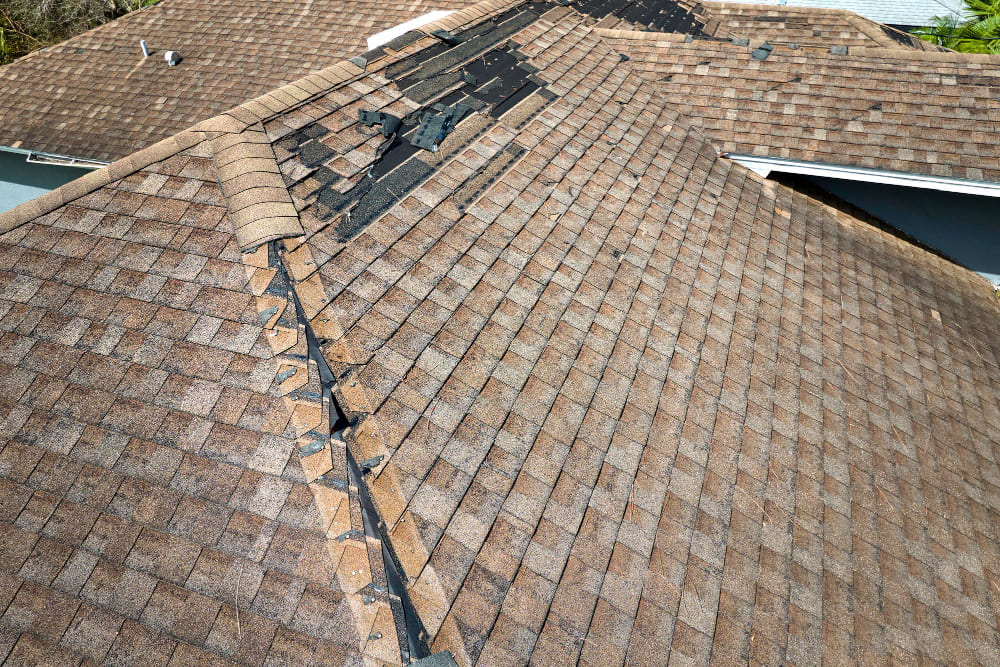
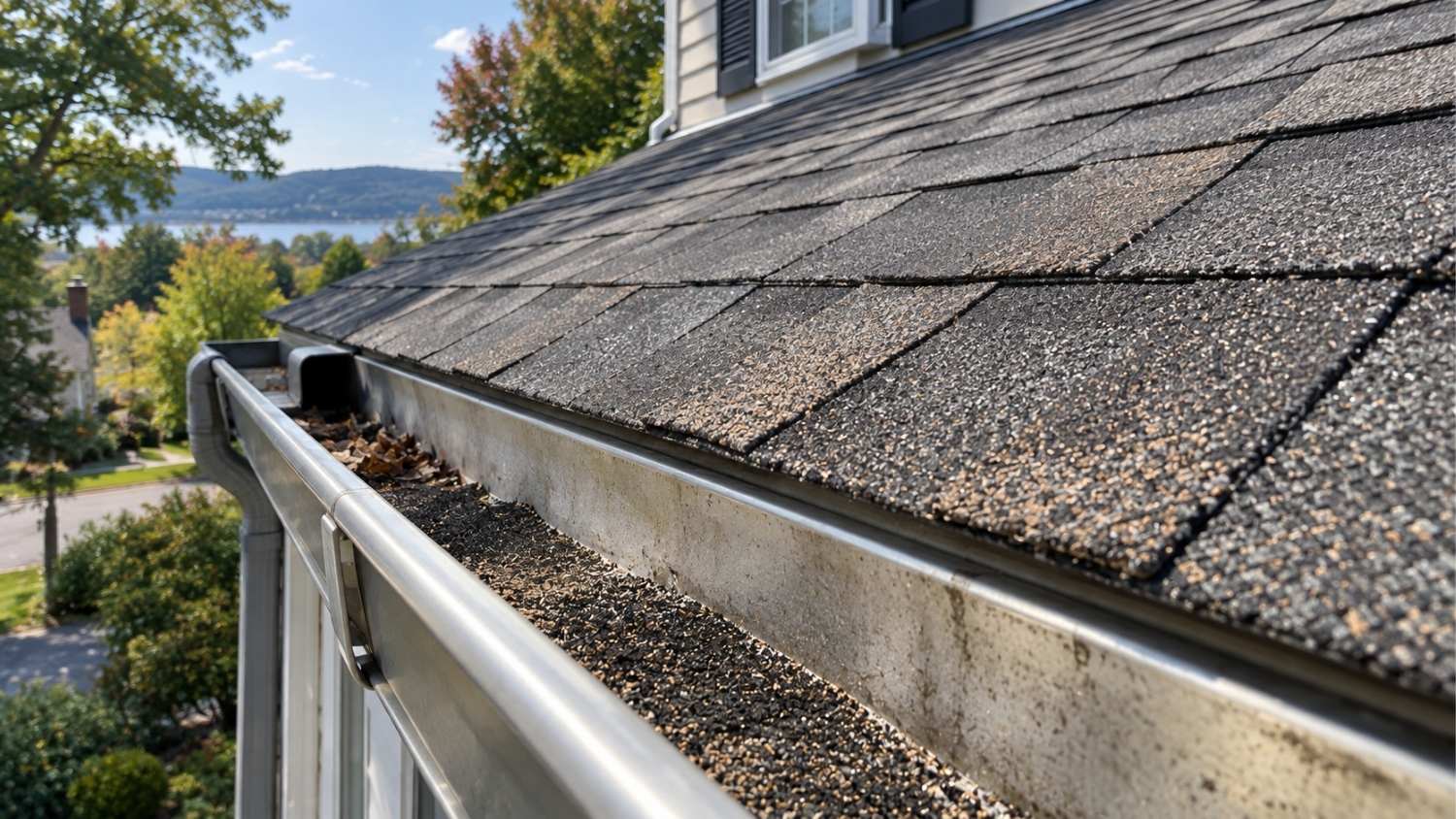
A ceiling stain appears after a windstorm. Shingle granules show up in the gutters. The roof is pushing 15 years, and something along the ridge looks off. At that point, most homeowners start searching for roof inspection cost figures and run into three very different options: free inspections from roofing contractors, paid independent inspections, and specialty inspections using drones or infrared cameras.
The price matters, but the bigger question is which type of inspection actually answers the damage question.
Here is what inspections cost, what drives the price, and how to choose the right one when you suspect your roof has a problem.
Quick Facts
- National roof inspection costs range from $75 to $1,100, with most standard inspections near $250.
- Many local roofing contractors offer a free roof inspection with no obligation.
- Suspected storm damage warrants an inspection within days, not weeks.
- A repair estimate prices work; an inspection diagnoses damage.
- Roof size, pitch, access, and inspection method drive the final cost.
What Does a Roof Inspection Cost?
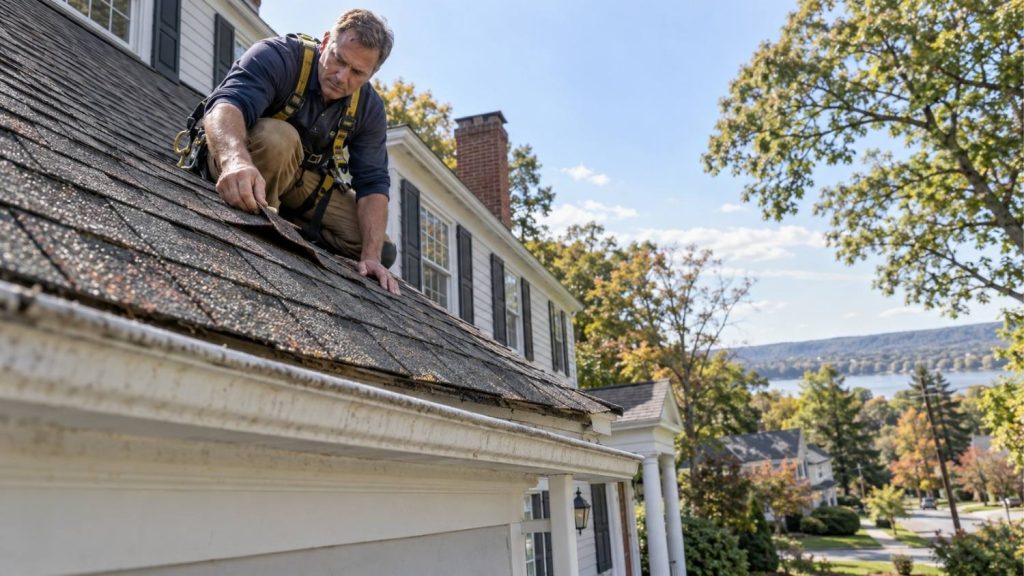
Generally, a roof inspection costs range from $75 to $1,100, with a national average around $250.
Most standard visual inspections fall toward the lower end of that range, while specialty methods like infrared scans and detailed certification reports push the price higher.
Those figures are estimates, not fixed prices. What you actually pay depends on your roof’s size, pitch, material, accessibility, and the type of inspection performed. A walk-on inspection of a simple gable roof costs far less than an infrared moisture scan of a steep, multi-plane roofline.
There is also a third path worth knowing about. Many established roofing contractors in the Hudson Valley perform free inspections and free estimates, particularly when damage is suspected and repair or replacement work may follow.
For a homeowner dealing with a leak or storm concern, that free professional assessment is often the most practical starting point.
Why a Damage Inspection Matters More Than a Routine Checkup
A routine roof checkup looks for normal wear, while a damage inspection focuses on urgent problems caused by wind, storms, or water intrusion. It helps determine whether moisture is entering the roof system and how far the damage may have spread.
- Hidden water intrusion: Lifted shingles or damaged flashing can allow moisture to reach the underlayment, roof decking, attic insulation, and interior drywall before stains become visible.
- Damage can worsen quickly: Freeze-thaw cycles may widen small openings and increase the risk of leaks across Dutchess, Orange, Putnam, and Eastern Ulster Counties.
- Delays may increase repair costs: A minor exterior issue can become a larger roofing or interior problem when it is not addressed promptly.
- Insurance timing matters: Many insurance carriers expect storm damage to be reported within a reasonable period after the event.
- Documentation supports a claim: An inspection report prepared soon after the storm can provide a clearer record of the roof’s condition.
- Regional experience helps: A Hudson Valley roofing professional knows where damage from high winds, nor’easters, and ice dams commonly appears.
Free vs. Paid Roof Inspections: What’s the Difference?
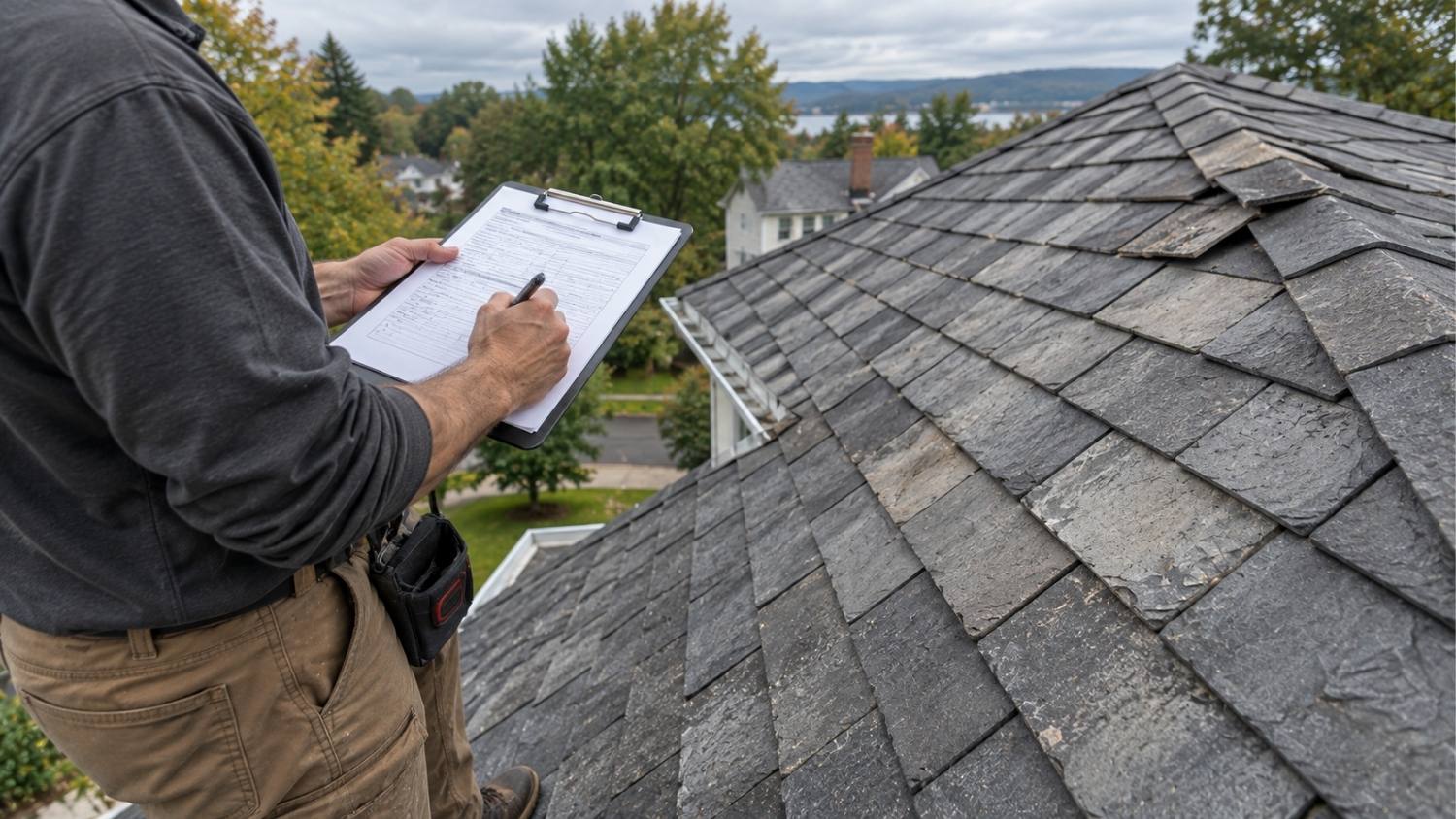
The main differences come down to who performs the inspection, what the report is used for, and whether repair work is expected to follow. Each option serves a different situation.
Free Roof Inspections
A free inspection from a credentialed local contractor is a legitimate diagnostic when damage is suspected. The contractor evaluates the roof, documents findings, and provides a repair or replacement recommendation. Credentials matter here. Manufacturer designations like GAF Master Elite require active licensing, insurance, and ongoing training, which separates a professional assessment from a door-knocking sales visit.
Paid Roof Inspections
A paid independent inspection makes sense when neutrality is the priority, such as during a home purchase. Specialty inspections earn their higher cost when moisture is hidden below the surface or the roof cannot be walked safely.
|
Inspection Type |
Typical Cost |
Best For |
|
Free contractor inspection |
No charge |
Suspected damage, leaks, storm events, repair planning |
|
Paid independent inspection |
Varies by inspector and scope |
Real estate transactions, neutral second opinions |
|
Specialty inspection (drone or infrared) |
Higher than standard visual inspections |
Hidden moisture, steep or unsafe access, leak investigations |
Is a Repair Estimate the Same as a Roof Inspection?
No. An estimated price represents visible work. An inspection determines the roof’s current condition, including issues that are not visible from the ground or driveway.
A thorough inspection evaluates shingle condition, flashing at chimneys and penetrations, drainage components, attic moisture, and decking integrity. Professional standards, such as InterNACHI’s standards of practice for roof inspections, define these components as part of a complete assessment.
An estimate written without that diagnostic step can miss the real damage source. A quote to replace a few wind-lifted shingles does nothing for the failed pipe boot flashing two feet away that caused the ceiling stain. When damage is suspected, ask for an inspection with a written report first, then an estimate based on what the inspection found.
How to Get an Accurate Roof Inspection When You Suspect Damage
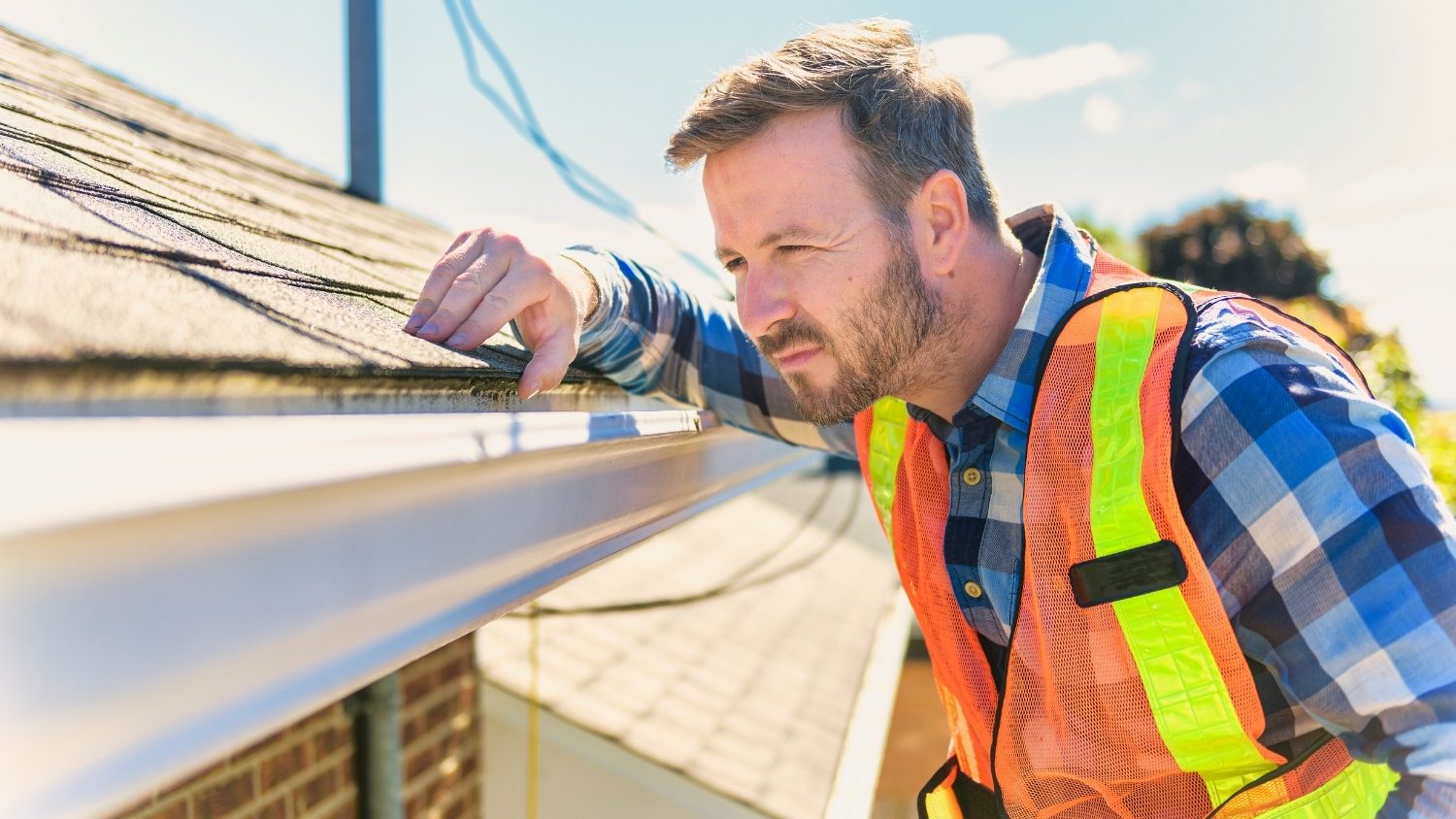
Following a clear sequence helps you get a useful inspection, protect a potential insurance claim, and avoid paying for the wrong service.
Step 1: Document What You’re Seeing First
Photograph ceiling stains, visible shingle damage, and debris from safe ground level before anyone touches the roof. Dated photos establish when the problem appeared and support any claim that follows.
Step 2: Check Whether the Trigger Event Is Insurance-Relevant
Sudden damage from wind, hail, or falling limbs is treated differently than gradual wear. If a specific storm caused the concern, note the date, since your carrier and inspector will both need that timeline.
Step 3: Choose the Right Inspection Type for the Situation
Suspected damage with possible repair work points to a contractor inspection. A home sale points to an independent inspector. Hidden moisture or unsafe access points to drone or infrared methods.
Step 4: Verify the Inspector’s Credentials and Insurance
Confirm applicable licensing, active liability and workers’ compensation coverage, and manufacturer certifications for the roofing system on your home. A qualified professional provides documentation without hesitation.
Step 5: Request a Written Report With Photos
A verbal summary is not enough. A written report with dated photographs documents the damage scope, supports insurance discussions, and gives you a clear basis for comparing repair recommendations.
READ MORE: How Roof Damage Repair Protects Your Home from Bigger Problems
What Affects the Cost of a Roof Inspection?
Inspection pricing varies from roof to roof because the labor, access requirements, and reporting depth change with each property. These are the factors that move the number most.
- Roof size and pitch: Larger roofs take longer to inspect, and steep pitches require additional safety equipment and slower movement.
- Material type: Slate, cedar, and metal systems demand specialized knowledge beyond standard asphalt shingle evaluation.
- Accessibility: Multi-story homes, tight lot lines, and complex rooflines with dormers and valleys add inspection time.
- Inspection method: Physical walk-on inspections cost less than drone imaging or infrared moisture scanning.
- Report depth: Basic condition summaries cost less than detailed reports with photos, itemized findings, or certification letters.
- Timing: Demand surges after regional storm events, which can affect scheduling and pricing for paid inspections.
The most reliable way to know your actual cost is a direct conversation with a local contractor who can see the roof, since no national range accounts for your specific home.
Frequently Asked Questions
How long does a roof inspection take?
Most residential roof inspections are completed within a few hours, depending on roof size, pitch, and whether the attic is included. Complex rooflines, specialty materials, and infrared scanning add time. The written report typically follows within a day or two of the visit.
Will my homeowners insurance pay for a roof inspection?
Policies vary, and inspection fees themselves are often the homeowner’s responsibility. When a claim is filed, the carrier sends an adjuster at no cost to the homeowner, and a contractor’s written inspection report can help document the damage scope. Review your specific policy or ask your agent to confirm what is covered.
How often should a roof be inspected if there is no visible damage?
An annual inspection is a sound baseline for most Hudson Valley homes, ideally in the fall before winter weather arrives. Roofs past the 15-year mark benefit from closer attention, since aging shingle seals and flashing become more vulnerable to wind and freeze-thaw stress.
Can a roof inspection be done in winter?
Yes, with some limits. Inspectors can assess visible damage, drainage problems, ice dam formation, and attic moisture year-round. Snow cover can conceal portions of the roof surface, so a follow-up visit after melt is sometimes recommended to complete the assessment.
What happens if the inspection finds damage?
The inspector documents the findings in a written report with photos, then explains whether targeted repair or full replacement makes better long-term sense. If the damage traces to a covered storm event, that report becomes part of your insurance claim file. From there, you can request an itemized estimate for the recommended work.
Ready to Find Out What Your Roof Actually Needs?
The smartest response to suspected roof damage is a documented professional inspection before any repair decision is made. Lyndsey Roofing, LLC provides roof inspections for homeowners and commercial property owners across Poughkeepsie and the greater Hudson Valley, backed by credentials that hold up to scrutiny.
If something about your roof does not look right, get a clear answer before a small problem becomes a structural one.