What’s in This Guide
- What Should a Roofing Estimate Include?
- Why a Roofing Estimate Breakdown Protects Your Investment
- How to Read the Four Core Sections of a Roofing Estimate
- Roofing Estimate Glossary: Terms Every Homeowner Should Know
- Hidden Costs That Can Change Your Roof Replacement Cost
- How to Compare Estimates From the Best Roofing Companies Near Me
- Frequently Asked Questions
- Get a Clear Roofing Estimate Before You Commit
A roofing estimate should tell you exactly what you are paying for. Too often, it reads like a single lump sum with a signature line. If you are planning a roof replacement in the Hudson Valley, the ability to decode each line item is the difference between a fair contract and an expensive surprise halfway through the tear-off.
Here’s a breakdown of every section in a professional roofing estimate: materials, labor, warranties, and the hidden costs that separate reputable roofing companies from contractors cutting corners on paper.
Quick Facts
- Line-item detail separates professional estimates from lump-sum guesswork
- Materials should be named by brand, product line, and quantity
- Workmanship warranty covers installation errors; manufacturer warranties cover materials
- Decking repairs and permits are the most common hidden costs
- New York home improvement contracts over $500 must be in writing.
What Should a Roofing Estimate Include?
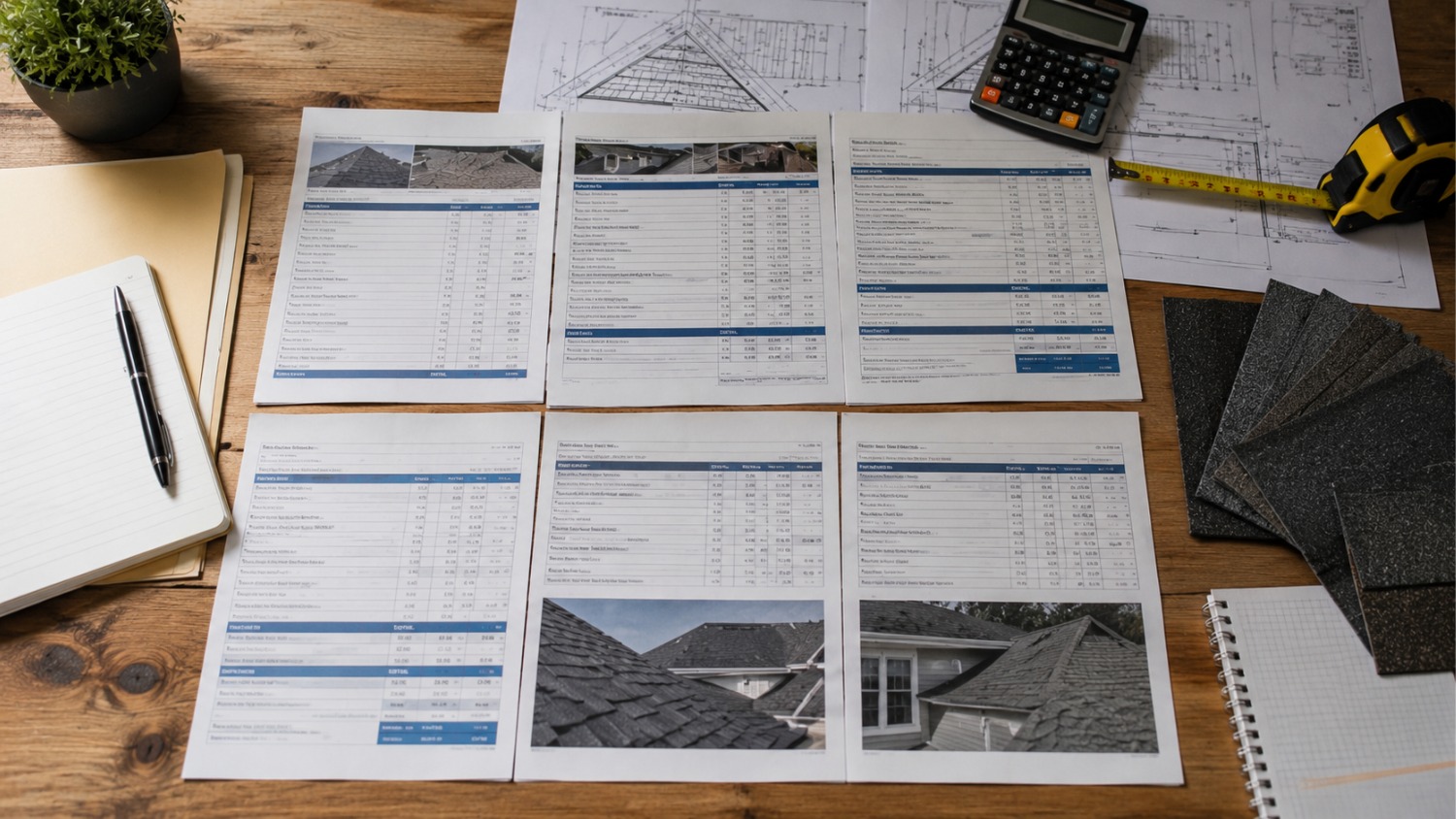
A complete roofing estimate lists the scope of work, specific materials and quantities, labor, tear-off and disposal, property protection, permits, cleanup, warranty terms, payment schedule, and a projected timeline. Each item should carry its own line so you can see where every dollar goes.
If any of those elements are missing, the estimate is incomplete, not simple. Vague paperwork almost always favors the contractor, because unlisted work becomes billable work later.
In fact, New York State law requires a written contract for home improvement projects over $500, and that contract must describe the work, materials, price, and timeline. A detailed estimate is the foundation of that document.
Why a Roofing Estimate Breakdown Protects Your Investment
Before signing a roofing contract, it is important to understand what the estimate actually includes. A clear, itemized breakdown helps you compare proposals and avoid unexpected surprises during the project.
It Makes Competing Bids Truly Comparable
Itemized pricing lets you weigh estimates on equal footing instead of guessing why one number is lower. Without that detail, you cannot tell whether a cheaper bid reflects efficiency or missing components.
It Locks the Project Scope in Writing
A documented scope holds the contractor to the work as quoted. Anything left off the page can turn into an added charge once the project is underway.
It Exposes Shortcuts Before Work Begins
Line items reveal what a low bid quietly leaves out, such as ice and water shield, new flashing, or decking repairs. In the Hudson Valley, where roofs face freeze-thaw cycles and heavy snow, those omitted components are often the ones the climate demands most.
How to Read the Four Core Sections of a Roofing Estimate

Every professional estimate, whether for a Poughkeepsie colonial or a commercial building in Newburgh, breaks down into four core sections. Here is what each one should show.
Materials
The materials section should name every product by brand, line, and quantity. "Architectural shingles" is not a specification. "GAF Timberline HDZ, 32 squares, Charcoal" is.
Look for each of these as its own line item:
- Shingles: Exact brand, product line, color, and square count
- Underlayment and ice and water shield: The leak-prevention layers that a Hudson Valley winter tests hardest, and the easiest items to downgrade invisibly
- Starter strips, ridge caps, and drip edge: Small components that affect wind resistance and water runoff
- Flashing and ventilation: New materials specified, not reused old ones
Labor and Tear-Off
Labor covers far more than installation. The estimate should state:
- Number of layers being removed: Two layers cost more to tear off than one, and the count should come from the inspection
- Dumpster and disposal fees: Dump fees are real; if they are not on paper, ask where that cost lives
- Property protection: Tarping for landscaping, coverings for windows, and cleanup commitments
Warranties
Every estimate should spell out two separate warranties:
- Manufacturer warranty: Covers defects in the roofing materials themselves
- Workmanship warranty: Covers installation errors and comes from the contractor, not the manufacturer
The workmanship warranty is where contractors truly differ. A manufacturer will not cover a leak caused by improperly nailed shingles or misplaced flashing. Ask for both warranties in writing, including duration, what voids them, and whether they transfer if you sell the home.
Manufacturer-certified contractors can often register enhanced coverage that standard installers cannot offer.
Scope, Permits, and Cleanup
The final section defines how the project runs and ends. Confirm the estimate covers:
- Permits: Who pulls the building permit and files with the local building department
- Timeline and change orders: Projected schedule plus a written process for work discovered mid-project
- Cleanup: Full debris removal, including the magnetic nail sweep of your lawn and driveway
▶ READ MORE: 7 Essential Questions to Ask Your Contractor Before a Roof Replacement
Roofing Estimate Glossary: Terms Every Homeowner Should Know
Estimates use trade shorthand. These quick definitions make any bid readable.
- Square: The standard unit of roof measurement. One square equals 100 square feet of roof surface.
- Decking (or sheathing): The wood panels beneath the shingles. Rotted decking must be replaced before installation and usually appears as a per-sheet price.
- Underlayment: The water-resistant layer installed between the decking and the shingles.
- Ice and water shield: A self-adhering membrane applied at eaves, valleys, and penetrations to block leaks from ice dams. Essential in New York winters.
- Drip edge: Metal flashing at the roof edges that directs water away from the fascia. It is commonly required by current roofing codes and should be specified in the estimate.
- Flashing: Metal pieces sealing joints around chimneys, walls, skylights, and vents. Reusing old flashing is a common shortcut.
- Tear-off: Complete removal of the existing roof down to the decking, as opposed to layering new shingles over old.
- Change order: A written amendment to the contract covering work discovered after the project starts, with its own price and signature.
Hidden Costs That Can Change Your Roof Replacement Cost
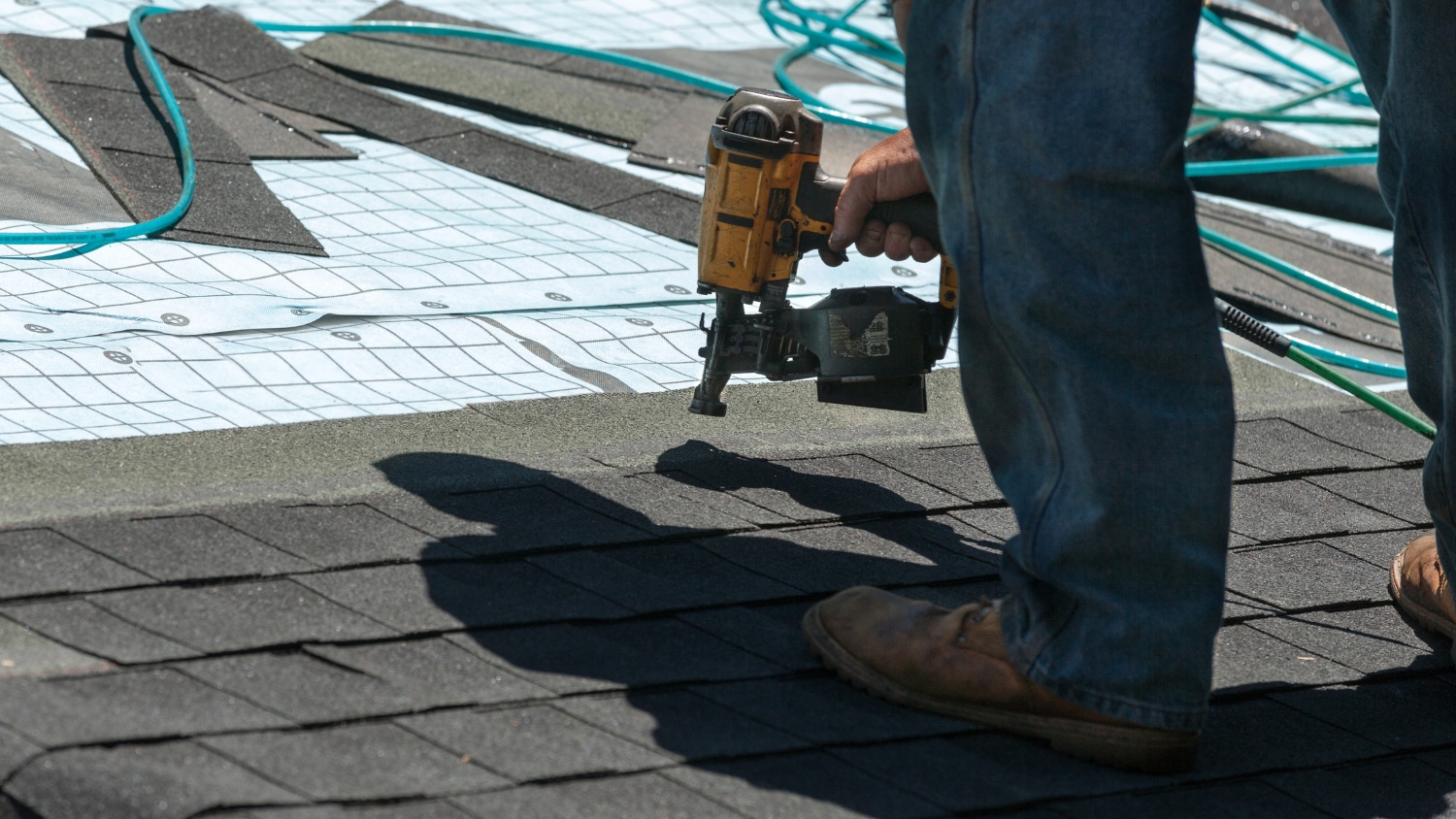
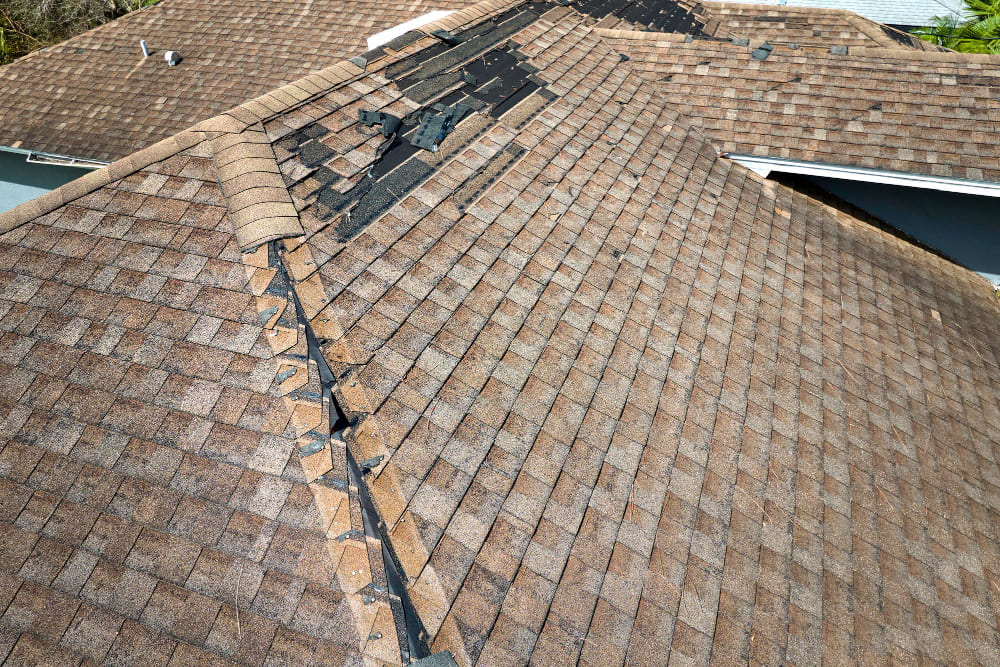
The most common hidden costs in replacing a roof are rotted decking, extra shingle layers, code-required upgrades, permit fees, and flashing work around chimneys and skylights. A trustworthy estimate names these possibilities upfront and prices them per unit, rather than leaving them for a mid-project phone call.
Rotted or Damaged Decking
No contractor can see the decking’s full condition until the old roof comes off. Professionals handle that uncertainty with a stated per-sheet replacement price on the estimate, not an open-ended allowance.
Additional Shingle Layers
A roof hiding a second layer under the visible one takes more time, labor, and disposal to tear off. The estimate should state how many layers the inspection found and how the added layers are priced.
Code-Required Upgrades
Older roofs may need updates to meet current building codes, such as drip edge or ventilation improvements. These are not optional add-ons, so a complete estimate accounts for them from the start.
Permit and Disposal Fees
Permit costs vary by municipality, and dump fees apply to every tear-off. Both belong on the estimate as their own line items, not folded into a vague total.
Chimney and Skylight Flashing
Flashing around penetrations is a frequent leak point, and its true condition often shows only during tear-off. Ask how the estimate handles flashing replacement versus reuse before signing.
How to Compare Estimates From the Best Roofing Companies Near Me
Comparing bids from the best roofing companies in your area works only when you compare identical scopes. Use this checklist before choosing:
-
- Match the materials line by line. Same shingle product, same underlayment, same ice and water shield coverage.
- Confirm the tear-off scope. Full removal versus overlay changes both price and roof lifespan.
- Compare both warranties. A longer workmanship warranty often signals a contractor who expects to be around to honor it.
- Check per-sheet decking pricing. Every bid should state it. Missing decking language is a missing cost.
- Verify credentials and insurance. Manufacturer certifications, liability insurance, and workers’ compensation protect you, not just the contractor.
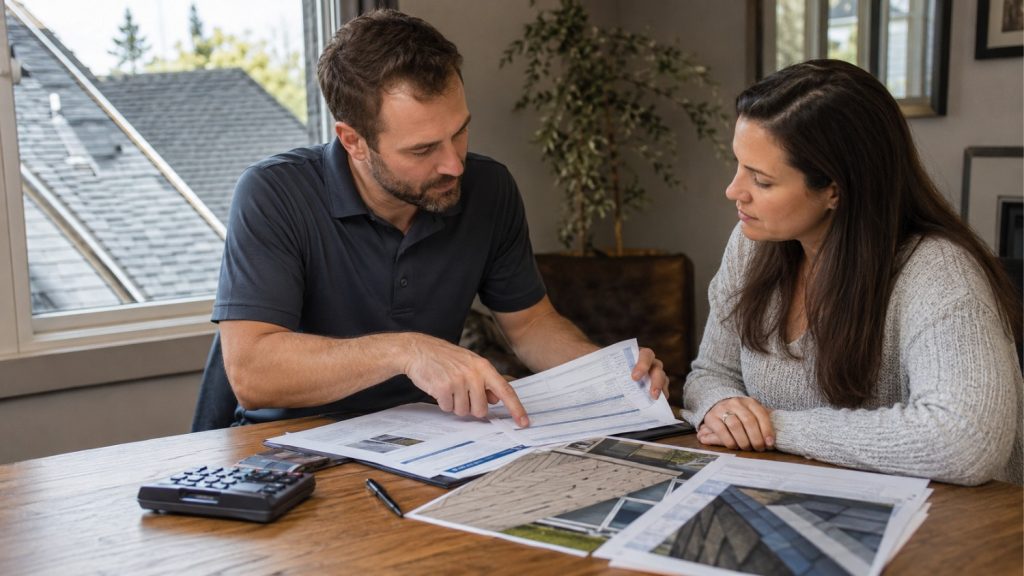
- Ask the contractor to walk you through the estimate. A professional welcomes the review. Hesitation is a red flag.
A significantly lower bid deserves more scrutiny, not less. Somewhere in that document, something is thinner, older, or absent.
Frequently Asked Questions
How many estimates should I get before choosing a roofing contractor?
Two to three itemized estimates give you a reliable basis for comparison. More than that rarely adds clarity, and single-bid decisions leave you with no benchmark for scope or price.
How long is a roofing estimate typically valid?
Most roofing estimates remain valid for 30 to 90 days because material prices fluctuate. The validity window should be printed on the estimate itself, so ask if you do not see one.
Do roofing companies charge for estimates?
Many established contractors provide free estimates for roof replacement projects, though practices vary. Confirm before scheduling so there are no surprises, and be cautious of anyone charging for a bid without disclosing the fee upfront.
What is the difference between a roofing estimate and a contract?
An estimate is a detailed price proposal; a contract is the legally binding agreement you sign. In New York, the contract must be in writing for larger projects and should mirror the estimate’s scope, materials, price, and timeline exactly.
Should I sign a roofing estimate on the spot?
No. Take time to review the line items, verify credentials, and compare bids. New York homeowners also have a three-business-day right to cancel a signed home improvement contract, but avoiding pressure upfront is easier than canceling later.
Get a Clear Roofing Estimate Before You Commit
A roofing estimate should be easy to understand before any work begins. Lyndsey Roofing, LLC helps Hudson Valley homeowners review roof replacement options with itemized estimates, clear warranty details, and practical guidance on what the project includes.
Our team provides free estimates, financing options, and in-person walkthroughs so homeowners can compare scope, materials, and costs with confidence.
Request a free roofing estimate from us and get a clearer view of what your Hudson Valley roof replacement requires.