What’s In This Guide
- Why Is Commercial Roofing Fundamentally Different From Residential Roofing?
- What Certifications Should Commercial Roofing Companies Actually Carry?
- How Do You Properly Vet and Compare Commercial Roofing Companies Before Signing?
- What Do Property Managers Need to Know About Flat Roof Systems Before Reviewing Bids?
- What Red Flags Should Eliminate a Commercial Roofing Contractor From Consideration?
- What Should a Commercial Roofing Proposal Include Before You Sign Anything?
- Frequently Asked Questions (FAQs)
- Get a Qualified Commercial Roofing Assessment in the Hudson Valley
Searching for commercial roofing companies near you produces a long list. Sorting through it requires a clear evaluation framework, not instinct. Property managers carry direct accountability for contractor decisions: a poor hire can produce budget overruns, voided warranties, and operational disruption that cannot be reversed after work starts.
The Hudson Valley market includes contractors of varying certifications, specializations, and project management capabilities. Not every roofing company in Dutchess, Orange, Putnam, or Eastern Ulster County holds the system-specific credentials that commercial work demands.
Quick Facts
- GAF Master Elite® status: held by fewer than 3% of U.S. contractors.
- Low-slope certifications are separate from steep-slope licenses.
- Manufacturer NDL warranties outlast contractor-only coverage.
- No written inspection report means no valid proposal.
- Vague scopes and undisclosed subcontractors are immediate disqualifiers.
Why Is Commercial Roofing Fundamentally Different From Residential Roofing?
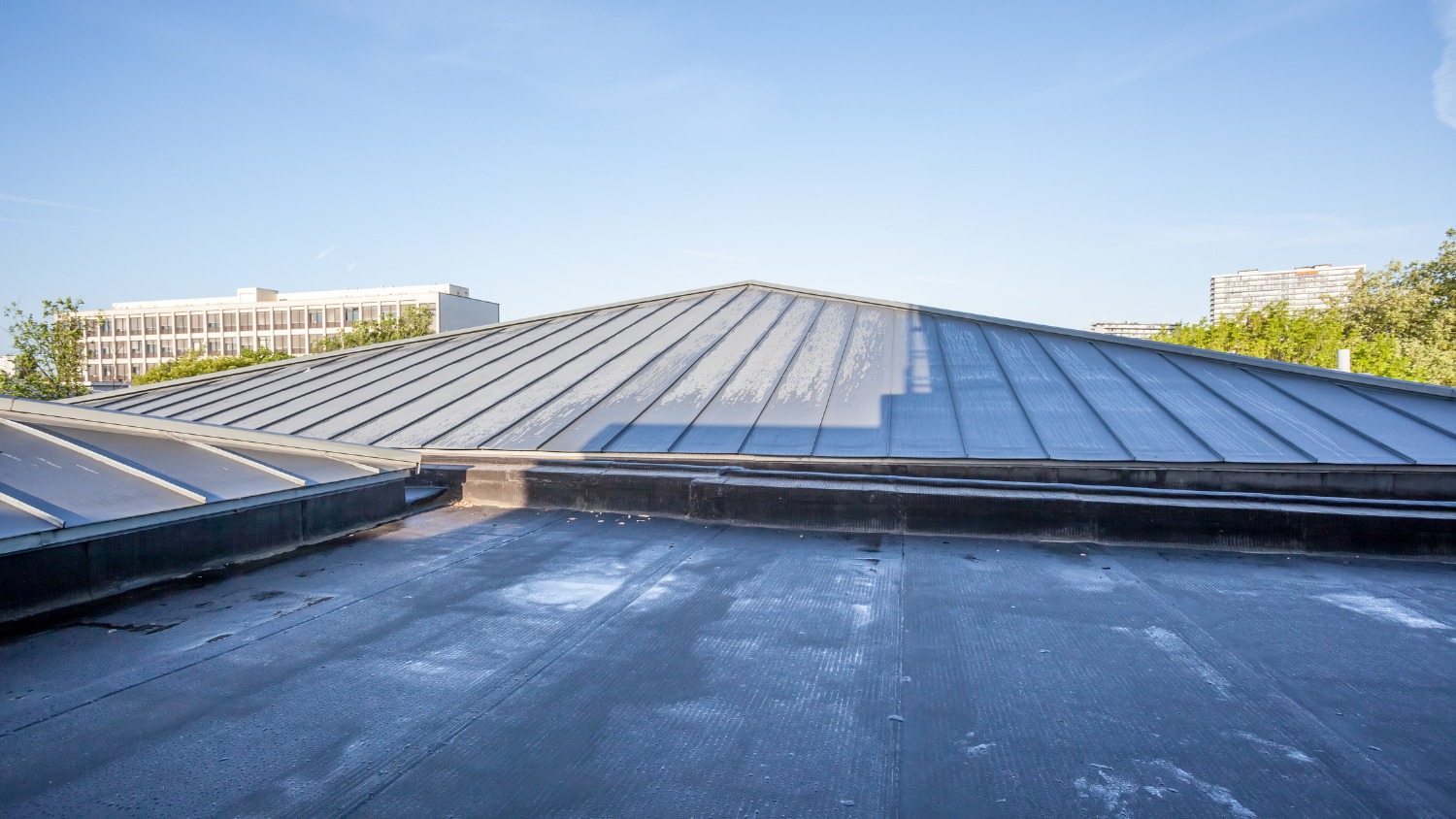
Commercial roofing uses different systems, requires higher liability thresholds, and demands a more rigorous project management structure than residential work.
Flat and low-slope membrane systems dominate commercial buildings. These systems require manufacturer-specific certifications that most residential contractors do not carry.
|
Factor |
Commercial Roofing |
Residential Roofing |
|
Primary systems |
TPO, EPDM, SBS, PVC, BUR |
Asphalt shingles, metal, slate |
|
Certification requirement |
System-specific manufacturer cert |
General contractor license |
|
Warranty structure |
Manufacturer NDL + workmanship |
Material + contractor warranty |
|
Liability exposure |
Higher: tenant impact, operational downtime |
Lower: single-family structure |
|
Typical project scope |
Phased, multi-square, occupied buildings |
Single structure, often vacant |
Property manager roofing decisions extend beyond price and availability. Tenant safety, operational continuity, and budget accountability are all in scope. A residential contractor without commercial credentials may not meet the requirements of a commercial roofing project.
What Certifications Should Commercial Roofing Companies Actually Carry?
Manufacturer certifications are issued by system type, not by general trade category. A certified steep-slope installer is not automatically qualified to work on low-slope membranes.
Evaluate certifications against the specific system being proposed before advancing any contractor in your review.
- GAF Master Elite: Held by fewer than 2% of U.S. contractors. Requires active licensing, adequate insurance, financial stability, and documented training. GAF President's Club recognition adds a verified two-star performance tier above standard Master Elite standing.
- GAF Master Select™ Contractor: A separate GAF credential for low-slope commercial systems including TPO and PVC. Not interchangeable with the steep-slope Master Elite program.
- Owens Corning® Preferred Contractor: Requires direct verification of training, licensing, and insurance through Owens Corning.
- Elevate (formerly Firestone) Licensed Contractor: Required for EPDM, TPO, and APP/SBS installation and mandatory for Elevate NDL warranty issuance.
- NRCA Member: Indicates participation in a national roofing industry association that provides education, technical resources, and professional guidance.
- BBB A+ Rating and Google Verified: Verifiable indicators of clean business standing and confirmed business identity.
How Do You Properly Vet and Compare Commercial Roofing Companies Before Signing?
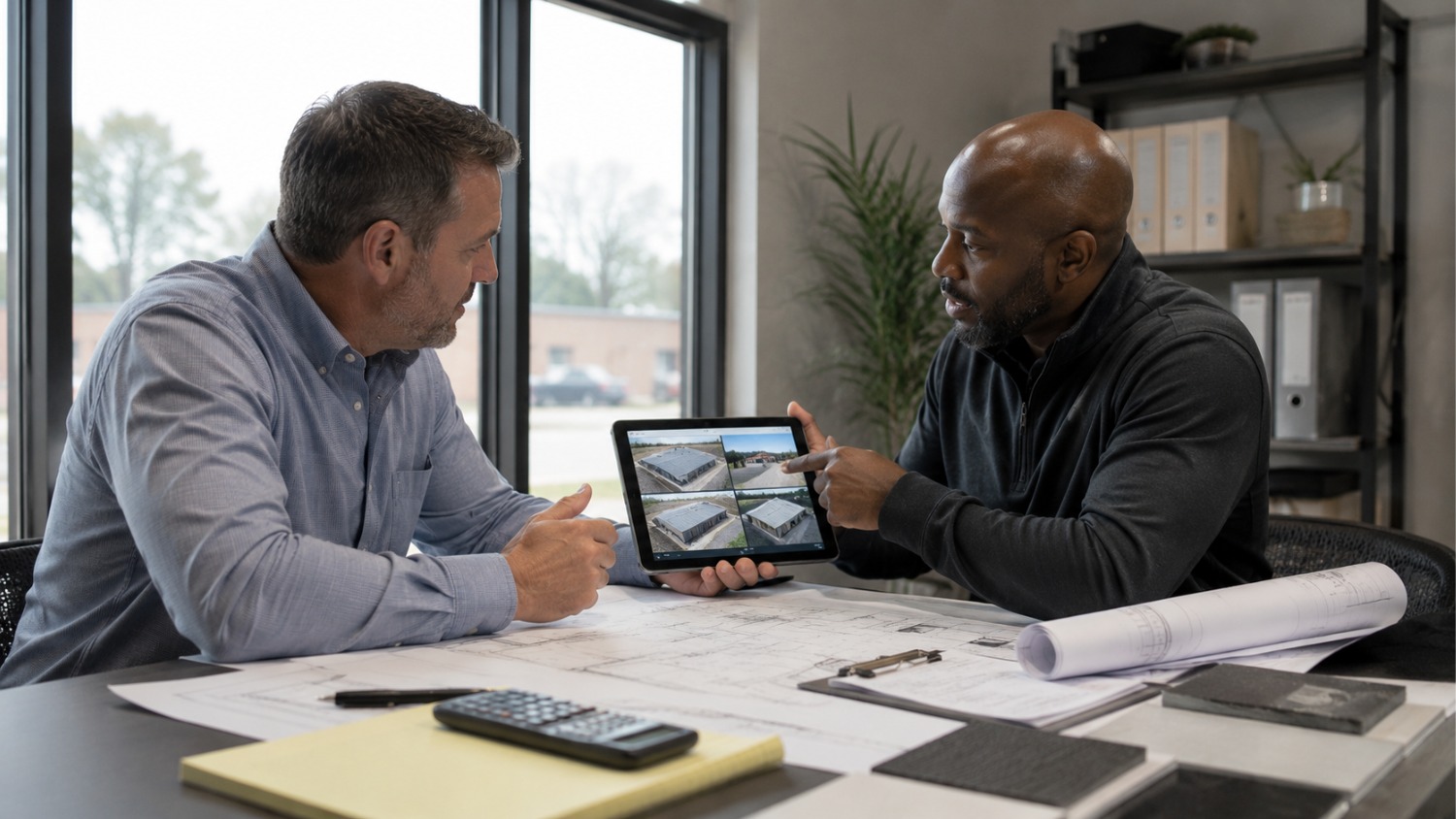
These five steps form the core due diligence process for property manager roofing decisions. Complete all five before requesting or accepting a final proposal.
Step 1: Verify Licensing, Insurance, and Business Standing
Request a current certificate of insurance before scheduling any site visit. Documents to collect include:
- Applicable state or local contractor license, verified independently.
- General liability coverage (many commercial properties require a minimum of $1 million per occurrence).
- Workers' compensation certificate, plus general liability documentation naming the property as an additional insured when required.
- Business standing confirmation through a BBB profile or Google Verified listing.
Step 2: Confirm System-Specific Manufacturer Certifications
Ask which systems the contractor is certified to install and request current documentation. General roofing experience is not the same as manufacturer certification.
A contractor proposing an Elevate TPO system must hold an active Elevate license. A contractor proposing a GAF membrane system should carry current GAF Master Select or Master Elite status based on the roof slope.
Without the required certifications, certain manufacturer-backed warranties may not be available, regardless of installation quality.
Step 3: Request a Formal Written Commercial Roof Inspection Report
A verbal walkthrough is not a commercial roof inspection. A compliant written report covers:
- Membrane condition: punctures, seam separation, and blistering
- Drainage performance: ponding water, blocked drains, and scupper condition
- Flashing integrity at walls, curbs, and all penetrations
- Penetration seals around HVAC units, pipes, and skylights
- Insulation status and moisture intrusion indicators
Do not accept a flat roof repair or replacement proposal without a written inspection report completed first.
Step 4: Compare Warranty Terms Side by Side
Warranty duration is one variable among four that matter:
- Who backs the warranty: the manufacturer, the contractor, or both
- Whether NDL (No Dollar Limit) coverage applies or total liability is capped
- Material warranty versus workmanship warranty (these are separate instruments)
- Confirmed term ranges: Elevate NDL 5 to 30 years on EPDM and TPO; GAF TPO up to 35 years
Step 5: Evaluate Communication Standards and Documentation Practices
Request a sample scope of work and a project schedule template before signing any agreement. Confirm how change orders are submitted, approved, and priced. Ask how final completion is documented and signed off. Contractors without structured documentation practices create avoidable liability risk for property managers in any post-project dispute.
MORE ON THIS TOPIC: How Reviews and Ratings Can Help You Choose the Right Commercial Roofers Near Me
What Do Property Managers Need to Know About Flat Roof Systems Before Reviewing Bids?
Each flat and low-slope membrane system performs differently based on climate, building use, and maintenance history.
Hudson Valley winters produce repeated freeze-thaw cycling that stresses membrane seams and drainage systems. Standing water on low-slope surfaces without adequate slope and drain maintenance accelerates deterioration across all membrane types.
|
System |
Typical Lifespan |
Best Use Case |
Warranty Range |
|
TPO |
15 to 30 years |
Commercial buildings, reflective white membrane |
Up to 35 years (GAF) |
|
EPDM |
20 to 30 years |
Low-slope flat roofs, cold-climate durability |
5 to 30 years (Elevate NDL) |
|
SBS / Torch Down |
15 to 20 years |
Smaller commercial, low-slope residential |
Manufacturer-limited |
|
PVC |
20 to 30 years |
High-grease environments, restaurant applications |
5 to 30 years (GAF) |
Flat roof repair scope is entirely dependent on which membrane system is installed. A contractor proposing a repair should hold certification for that specific system when manufacturer warranty coverage applies. Uncertified repairs or mismatched materials can void manufacturer warranties and transfer the resulting liability directly to the property manager.
What Red Flags Should Eliminate a Commercial Roofing Contractor From Consideration?
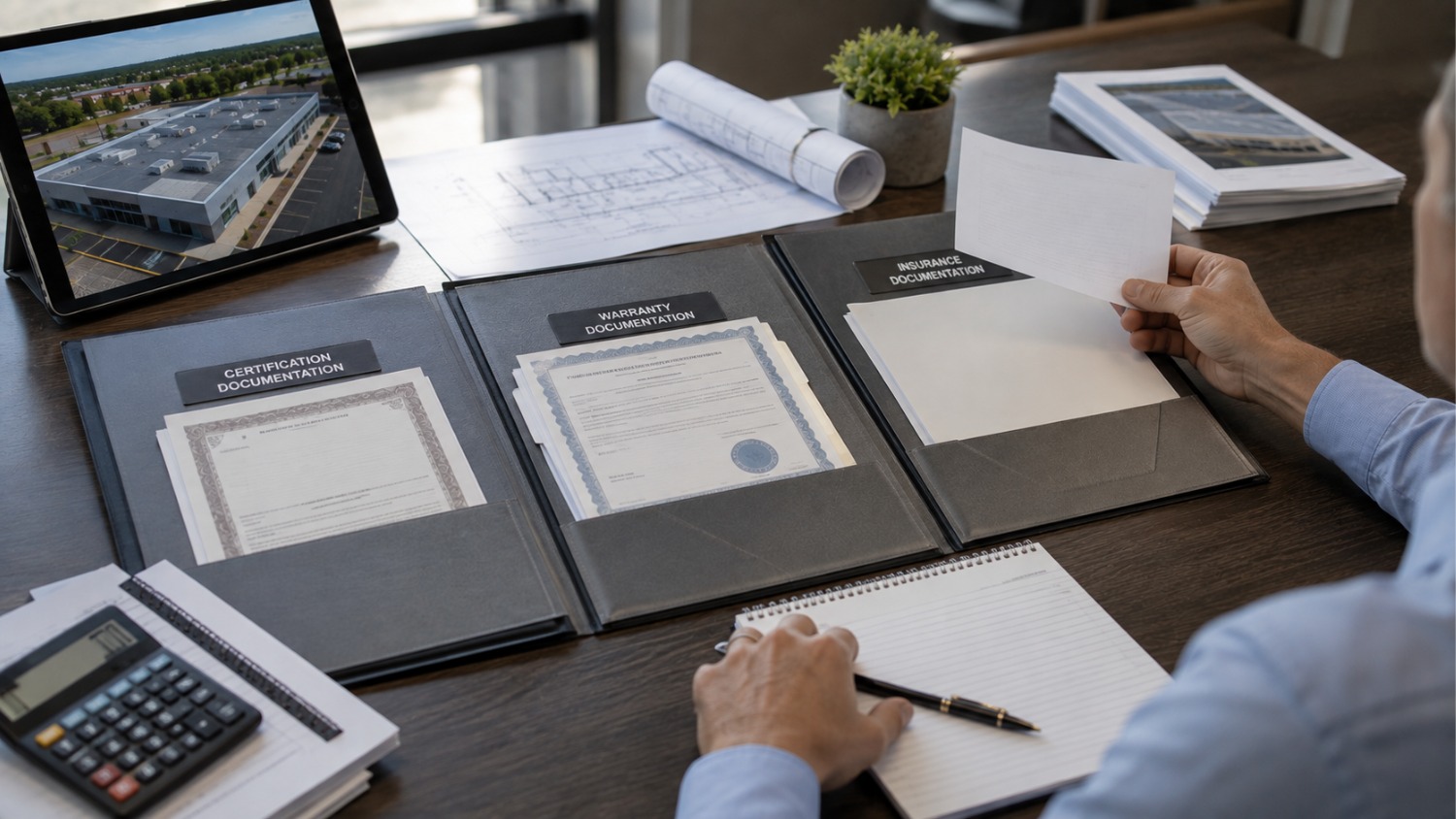
Each item below signals a documented gap in credentials, documentation, or professional accountability. Any one of them should disqualify a contractor from a commercial project.
- No manufacturer certification for the proposed system: Without it, certain manufacturer-backed warranties may not be available.
- Warranty backed only by the contractor, not the manufacturer: Contractor-only warranties become unenforceable if the company closes, is sold, or changes ownership.
- Inability to produce a certificate of insurance on request: A disqualifier regardless of bid price or project timeline.
- Verbal or vague scope of work without a line-item breakdown: Leaves no enforceable record of what was quoted and agreed.
- No written commercial roof inspection before proposing repair or replacement: A bid issued without a formal inspection may not accurately reflect the roof's condition.
- No verifiable commercial references in the local region: Residential project history does not transfer to commercial project accountability.
- Undisclosed use of subcontractors: Unidentified subcontractors bring unknown licensing, insurance levels, and quality controls onto your property.
What Should a Commercial Roofing Proposal Include Before You Sign Anything?
A bid price is not a proposal. A compliant commercial roofing proposal is a written document that defines exactly what is being installed, what it costs, who is responsible for each phase, and what protections are in place if something goes wrong.
Does the Proposal Identify the Exact System and Materials Being Installed?
System specification should be explicit, not general. A proposal that reads "TPO roofing" without further detail is incomplete. A compliant proposal specifies:
- Manufacturer name and product line (e.g., GAF EverGuard® TPO, Elevate UltraPly™ TPO).
- Membrane thickness in mils (60-mil versus 80-mil carries a measurable performance difference).
- Insulation type, thickness, and R-value if replacement or addition is included.
- Attachment method: mechanically fastened, fully adhered, or ballasted.
- Flashing materials and termination bar specifications at all edges and penetrations.
Does the Proposal Separate Material Costs From Labor Costs?
Bundled lump-sum pricing makes it impossible to compare competing bids accurately. A structured commercial proposal breaks costs into distinct line items:
- Material cost per square (100 square feet) for membrane, insulation, and accessories.
- Labor cost for tear-off and disposal of the existing system.
- Labor cost for new system installation.
- Permit fees listed as a separate line item, not absorbed into a general total.
- Any specialty work (HVAC curb modifications, drain replacement, skylight flashing) called out individually.
Does the Proposal Address Site Safety, Access, and Operational Coordination?
Commercial roofing on an occupied building requires a documented site management plan. This is not a courtesy; it is a professional standard. A complete proposal addresses:
- Hours of operation: Confirmed work hours that align with building access and minimize tenant disruption.
- Debris and material staging: Designated staging areas that do not block emergency exits, loading docks, or accessible parking.
- Torch-applied work protocol: If SBS or torch-down application is involved, a written hot-work safety plan is required under NFPA 241 and most commercial property insurance policies.
- Daily site cleanup standard: Defined end-of-day cleanup expectations, particularly for projects spanning multiple weeks.
- Point of contact: A named project supervisor, not just a company number.
Frequently Asked Questions (FAQs)
How do contractors determine whether a commercial roof needs repair or full replacement?
The decision depends on membrane age, damage extent, and moisture intrusion. If significant moisture damage is found across the roof assembly, replacement may be more cost-effective than continued repairs. The appropriate solution depends on the roof's condition, system type, code requirements, and project budget.
What is the typical payment schedule for a commercial roofing project?
Most commercial contracts follow a structured draw schedule: a deposit at signing, a progress payment at material delivery or midpoint, and a final payment upon documented completion. Avoid contracts requiring full payment up front with no holdback tied to final sign-off.
Does financing exist for commercial roofing projects?
Yes. Some commercial roofing contractors offer financing options for qualifying projects. Availability, terms, and approval requirements vary by contractor, lending partner, and project size. Ask about financing options before assuming the full cost must come from a single budget cycle.
How should a property manager respond when storm damage affects a commercial roof?
Document the damage with dated photographs before any temporary repairs are made. Open a claim with your insurance carrier, then schedule a formal written inspection. A completed inspection report establishes the scope of covered repairs before any work is authorized.
Who is responsible for a commercial roof warranty if the contractor goes out of business?
A manufacturer-backed NDL warranty remains valid regardless of the contractor's status, because the obligation sits with the manufacturer. A contractor-only warranty becomes unenforceable if the company closes. This is why NDL coverage matters more than contractor promises alone.
Get a Qualified Commercial Roofing Assessment in the Hudson Valley
Choosing among roofing companies near you comes down to one question: can the contractor document every credential, warranty, and process standard that this guide covers?
Lyndsey Roofing, LLC is a locally owned exterior contractor based in Poughkeepsie, NY, serving commercial and residential property owners across Dutchess, Orange, Putnam, and Eastern Ulster Counties.