What’s In This Guide
- How Often Should a Commercial Roof Be Inspected in the Hudson Valley?
- Why Does the Hudson Valley Climate Make National Maintenance Guidelines Insufficient?
- What Is the Difference Between a One-Time Roof Inspection and a Full Maintenance Plan?
- What Should a Commercial EPDM Roof Inspection Cover?
- How Do You Set Up a Commercial Roof Maintenance Plan?
- What Happens When Commercial Property Owners Skip or Delay Roof Maintenance?
- How Do You Find a Qualified Commercial Roofing Contractor in the Hudson Valley?
- Frequently Asked Questions (FAQs)
- Schedule Your Commercial Roof Inspection with a Contractor Who Knows the System
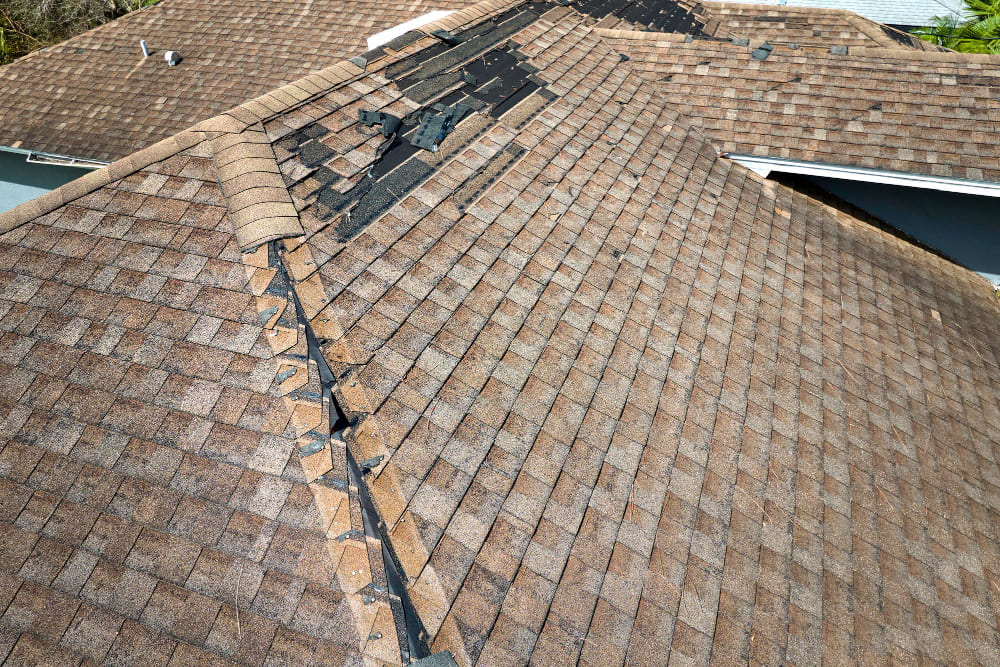
Most commercial roof failures do not begin with a catastrophic event. They start with a missed inspection, an unaddressed seam separation, or standing water left sitting through a Hudson Valley winter. For property owners and building managers across Poughkeepsie, Newburgh, and Dutchess County, inconsistent maintenance is one of the most preventable causes of serious structural damage.
Quick Facts
- Minimum two inspections per year for commercial roofs.
- Third inspection within 72 hours of any major storm.
- A 66°F annual temperature swing accelerates membrane wear.
- No maintenance records means no enforceable warranty.
- Deferred maintenance causes more failures than storms.
How Often Should a Commercial Roof Be Inspected in the Hudson Valley?
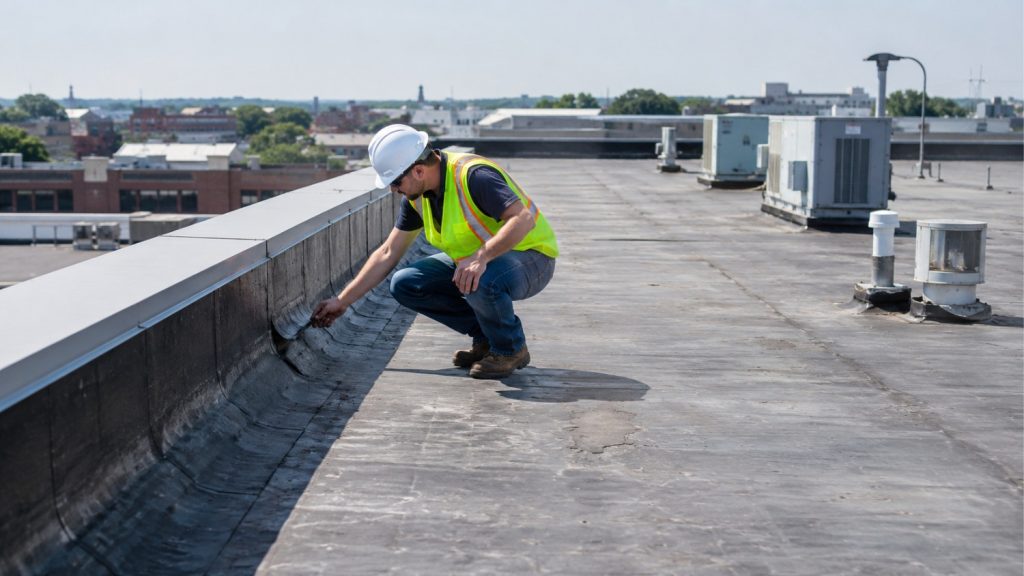
Inspect twice per year at minimum. Spring inspections document damage from winter freeze-thaw cycles before it compounds into larger failures. Fall inspections prepare membranes and drainage systems for the stress of dropping temperatures.
Schedule an additional inspection within 72 hours after any storm involving hail, windblown debris, heavy snow, or significant ice accumulation.
The NRCA recommends inspections for commercial low-slope roofs twice a year as the established industry baseline. In the Hudson Valley, that recommendation is the floor, not the ceiling.
|
Roof System |
Minimum Annual Inspections |
Recommended Hudson Valley Frequency |
|
TPO |
2 |
2 to 3 |
|
EPDM |
2 |
2 to 3 |
|
BUR / SBS |
2 |
2 to 3 |
|
Metal Roofing |
1 to 2 |
2 |
Why Does the Hudson Valley Climate Make National Maintenance Guidelines Insufficient?
National guidelines provide a baseline, but they do not always account for the seasonal stress commercial roofs face in the Hudson Valley. Poughkeepsie averages approximately 34 inches of snow annually and records temperature swings from winter lows near 16°F to summer highs near 85°F.
That nearly 70-degree annual range forces flat and low-slope roof membranes through repeated cycles of thermal expansion and contraction that standard national guidance does not fully account for.
Four regional climate stressors separate Hudson Valley conditions from the national averages:
-
- Freeze-thaw cycling: Water enters minor cracks and seam separations, freezes, expands, and widens the gap with each cycle. Dutchess County averages more than 100 sub-freezing days per year, repeating this process throughout the heating season.
- Nor’easter and heavy snow loads: Dense, wet snow adds significant live load stress to low-slope roof decks and overwhelms drainage systems already slowed by debris accumulation or age-related capacity loss.
- Summer heat expansion: Dark membrane surfaces absorb solar radiation and reach surface temperatures well above ambient air temperature, placing repeated stress on seam bonds across consecutive seasons.
- High humidity and seasonal ponding risk: The Hudson Valley’s wet shoulder seasons create conditions where minor drainage deficiencies escalate from manageable to active flat roof leak sources within a single storm cycle.
What Is the Difference Between a One-Time Roof Inspection and a Full Maintenance Plan?
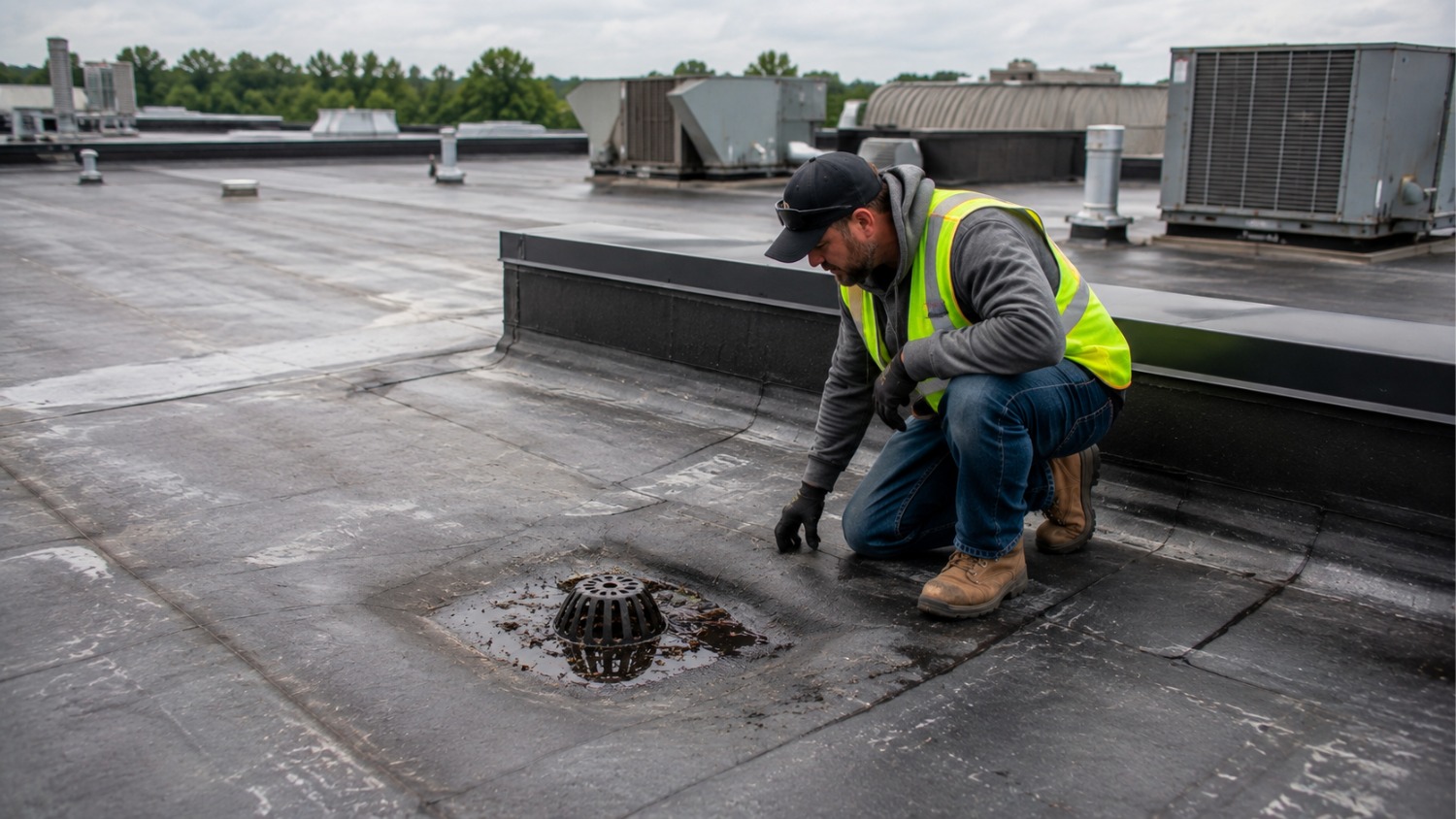
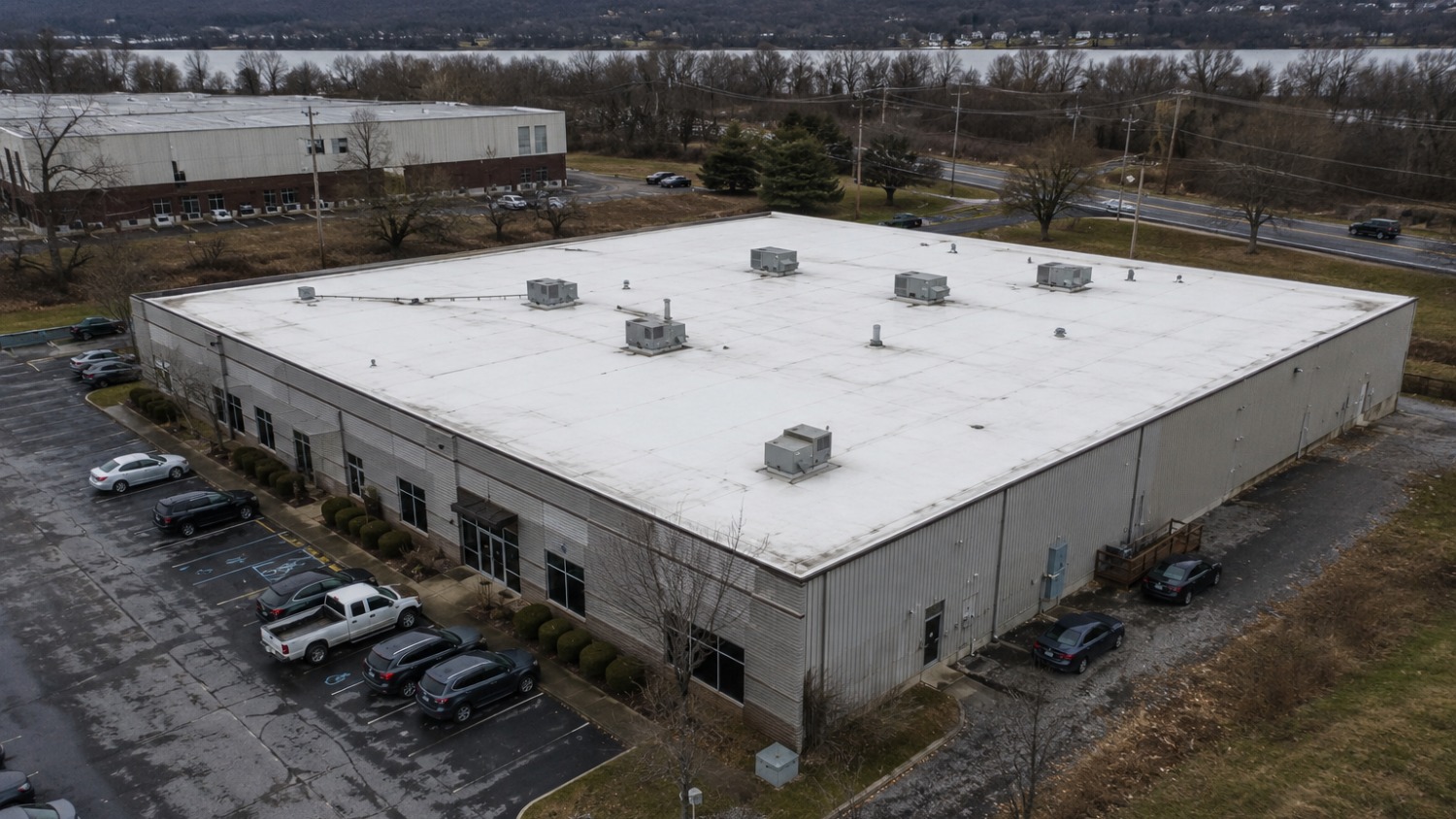
A single inspection is a snapshot. A maintenance plan is a continuous system. One documents roof condition at a specific point in time. The other tracks changes across seasons, addresses minor issues before they escalate, and produces the written record required for warranty claims.
|
Factor |
One-Time Inspection |
Maintenance Plan |
|
Frequency |
Single visit |
Scheduled recurring visits |
|
Scope |
Condition assessment only |
Inspection plus minor repairs |
|
Documentation |
One written report |
Ongoing written records |
|
Warranty impact |
No ongoing compliance |
Helps satisfy manufacturer maintenance requirements |
|
Cost structure |
Per-visit fee |
Annual service agreement |
Elevate NDL warranties on EPDM and TPO systems (5 to 30 years) and GAF TPO warranties (up to 35 years) require documented, ongoing maintenance to remain enforceable. A single inspection satisfies that requirement for one visit only. A structured maintenance plan helps maintain compliance across the full warranty period.
What Should a Commercial EPDM Roof Inspection Cover?
An EPDM roof inspection focuses on adhesive bond strength, seam condition, and surface integrity across the full membrane field. EPDM is a durable single-ply system, but its performance over time depends directly on the condition of its adhesive bonds, edge terminations, and penetration seals. A professional EPDM roof inspection evaluates each of these systematically.
Core components of a thorough EPDM inspection include:
- Adhesive bond evaluation: Lap seams and field splices tested for delamination, particularly at low points where ponding water accelerates adhesive degradation
- Edge termination and perimeter flashing: Metal termination bars and perimeter flashings checked for fastener pullout, sealant cracking, and membrane shrinkage that pulls edges away from the wall substrate
- Penetration and pitch pocket condition: All pipe boots, HVAC curb flashings, and pitch pockets inspected for cracking, settlement, and sealant failure
- Surface weathering assessment: Full membrane field checked for surface erosion, UV chalk, or areas where the membrane has thinned from long-term weathering
- Interior moisture indicators: Any ceiling staining, wet insulation, or deck corrosion below the EPDM layer documented as a secondary sign of active water infiltration
What Are the Early Warning Signs of EPDM Roof Failure?
Most EPDM failures give visible warning signs before active water intrusion begins. Catching these indicators during a scheduled inspection prevents a repair call from becoming a full membrane replacement.
Watch for these specific indicators between scheduled visits:
-
- Visible shrinkage pulling the membrane away from walls, parapets, or drains.
- Surface cracking or crazing across the field membrane, particularly on aging systems or roofs with a long service history.
- Soft or spongy areas underfoot indicating wet insulation beneath the membrane layer.
- Persistent ponding water marks that remain visible more than 48 hours after rainfall.
- Sealant cracking or pulling away at any pipe penetration or HVAC base.
EPDM systems with documented maintenance records and clean inspection reports hold their Elevate NDL warranty coverage through the full term. Systems without those records may face challenges during warranty claims, especially if the manufacturer determines that required maintenance was not documented.
MORE ON THIS TOPIC: Commercial Roofers Near Me: Key Ways to Evaluate Experience
How Do You Set Up a Commercial Roof Maintenance Plan?
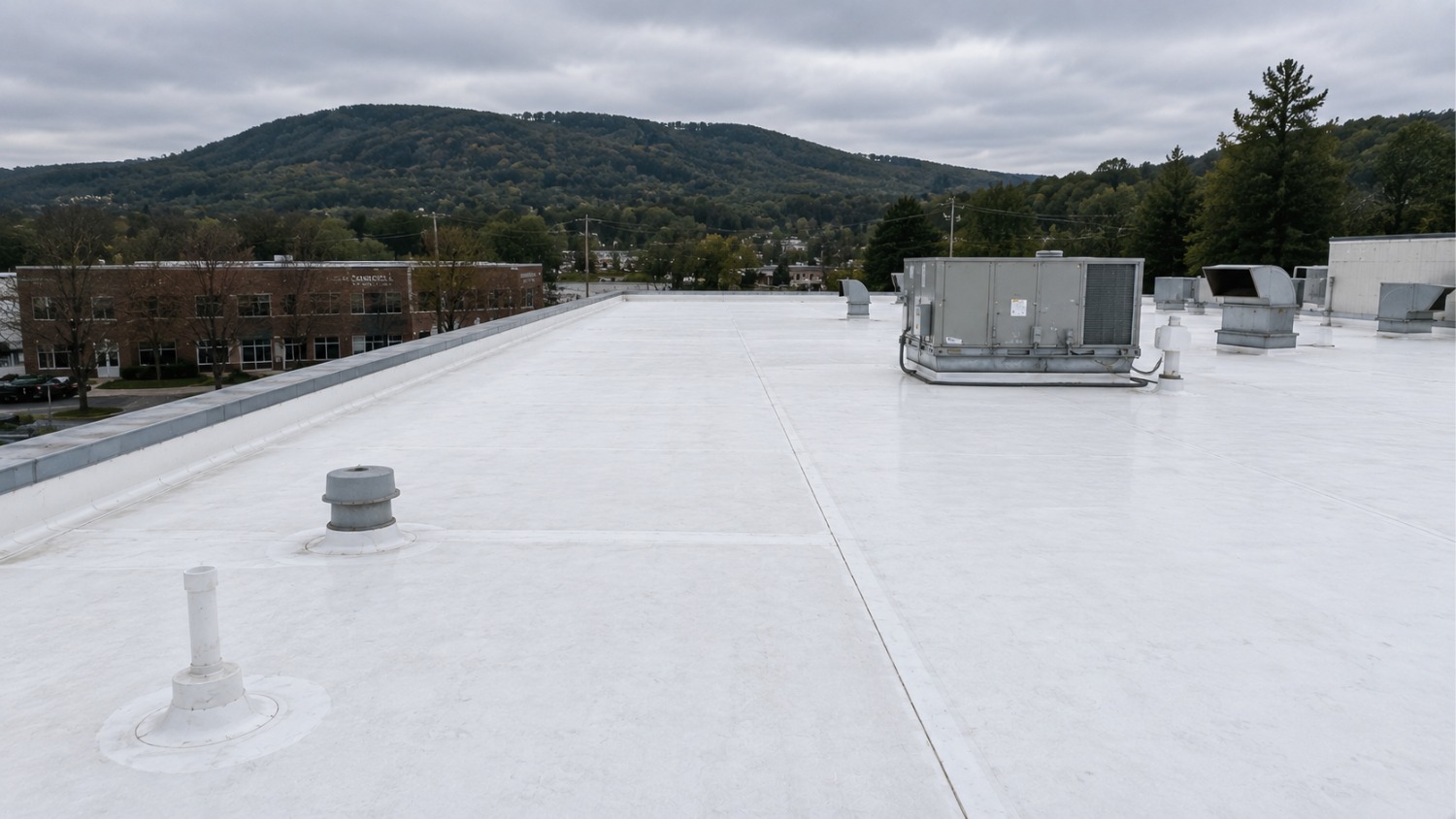
Establishing a formal commercial roof maintenance plan takes six sequential steps. Each one builds on the previous and creates the documentation record that protects the building, the budget, and the warranty long-term.
1. Schedule A Baseline Inspection First
Before any plan with a roof contractor near you is established, a qualified contractor documents every roof component in writing with dated photographs. This creates the benchmark against which all future inspections are measured.
2. Identify The Roof System And Confirm Warranty Requirements
TPO, EPDM, BUR, and metal roofs each carry manufacturer-specific documentation requirements. Verify which system is installed and what records the warranty demands before selecting a contractor.
3. Choose A Contractor With Credentials Specific To Your Roof System
For Elevate EPDM and TPO roof maintenance, verify Elevate-licensed contractor status. For GAF TPO coverage, confirm GAF certification. General commercial roofing experience does not independently satisfy manufacturer warranty maintenance requirements.
4. Set A Written Inspection Schedule With A Storm-Trigger Clause
Establish fixed spring and fall inspection dates. Add a clause that activates an inspection after defined weather events, such as hail, high winds, or snow accumulation above a specified depth threshold.
5. Require Written Reports With Dated Photographs After Every Visit
Reports must document component-level findings, any repairs performed, and overall warranty compliance status. Verbal updates and undocumented visits do not count toward manufacturer maintenance requirements.
6. Review And Revise The Plan Annually
As the roof ages past the 10-year mark, or following a severe weather season, expand the plan's scope to increase inspection frequency on historically stressed components such as field seams and penetration flashings.
What Happens When Commercial Property Owners Skip or Delay Roof Maintenance?
- Skipped maintenance does not hold deterioration in place. It removes the only mechanism for catching damage before it compounds into a much costlier problem.
- Accelerated membrane degradation. Minor seam separations, small punctures, and blocked drains that cost comparatively little to address during a scheduled visit become section replacements when left through multiple freeze-thaw seasons. The window for low-cost repairs narrows with every winter.
- Voided manufacturer warranties. Elevate NDL and GAF commercial roof warranties both contain explicit documentation requirements. Without maintenance records, property owners may have a harder time supporting warranty claims, particularly when documentation is required by the manufacturer. The coverage may exist on paper but provide limited practical protection when documentation is required and unavailable.
- Higher long-term repair costs. Structured maintenance helps reduce long-term repair expenditure compared to reactive approaches. Emergency commercial repair calls, which typically involve water already reaching interior systems and insulation layers, cost substantially more than the scheduled maintenance that would have identified the source earlier in the damage cycle.
How Do You Find a Qualified Commercial Roofing Contractor in the Hudson Valley?
Contractor quality for commercial roofing is verified through system-specific certifications, not general licensing alone. Searching for commercial roofing companies near you will return a wide range of results. The distinction between a qualified commercial contractor and a general roofing company comes down to whether that contractor holds manufacturer authorization for the specific roof system on the building.
A qualified commercial roofing contractor should hold the following:
- Elevate licensed contractor status for EPDM and TPO systems, which authorizes the contractor to issue and support Elevate NDL warranty coverage.
- GAF Master Elite or GAF commercial certification for TPO systems under GAF warranty programs.
- Verifiable commercial project history with documented experience on low-slope and flat roof systems, not only residential steep-slope work.
- Active general liability and workers' compensation insurance with certificate of insurance provided before any site work begins.
Frequently Asked Questions (FAQs)
Can a commercial roof inspection be performed during winter months?
Yes. Winter inspections are feasible and sometimes necessary after a significant snow or ice event. Inspectors assess drainage blockages, ice dam formation, and membrane stress from snow load. Some detailed membrane work requires above-freezing temperatures, but a condition assessment and drainage check can be completed year-round.
How does roof age affect the recommended inspection frequency?
Commercial roofs past the 15-year mark warrant more frequent monitoring. Membrane systems in their second decade show accelerated seam fatigue, adhesive degradation, and surface wear. Annual inspections should increase from two to three visits per year on aging systems, with closer attention to penetration seals and field lap conditions.
Does commercial property insurance require documented roof inspections?
Many commercial property insurers require evidence of routine maintenance when processing storm or water damage claims. Without inspection records, insurers may attribute damage to neglect rather than a covered event and reduce or deny the claim. Documented maintenance strengthens both the claim and the coverage position.
How soon after installation should a new commercial roof receive its first inspection?
Most manufacturer guidelines recommend a post-installation inspection within the first 12 months. This visit confirms that seams, flashings, and drainage components were installed correctly and identifies any early settlement issues before the system faces its first full winter cycle.
Can routine maintenance meaningfully extend a commercial roof's service life?
Yes. Unaddressed minor failures compound into structural damage that shortens roof lifespan significantly. A maintained flat or low-slope roof system is more likely to reach its rated service life. A neglected system of the same type often requires full replacement years ahead of schedule, at substantially higher cost.
Schedule Your Commercial Roof Inspection with a Contractor Who Knows the System
Lyndsey Roofing, LLC is a full-service roofing and exterior contractor serving homeowners and commercial property owners across the Hudson Valley.
Whether you need a single repair, a full roof replacement, or a long-term commercial maintenance program, Lyndsey Roofing provides written estimates, manufacturer-backed warranty options, and financing for qualifying projects.