In regions like Poughkeepsie, NY, where seasonal swings bring snow loads, heavy rain, and freeze-thaw cycles, roof design is not just about appearance. It directly affects how long a roof lasts and how well it protects your home.
The best gable roof design is not always the most decorative one. It is the one that balances cost, attic space, curb appeal, and weather performance for your specific home.
Many homeowners assume all gable roofs perform the same. In reality, different gable roof types can change drainage efficiency, ventilation potential, and long-term maintenance.
What’s In This Guide
- What Is a Gable Roof?
- Why Gable Roof Types Matter During a Roof Replacement
- 5 Main Gable Roof Types Homeowners Should Know
- How To Choose the Best Gable Roof Design for Your Roof Replacement
- What To Look for in a Roofing Contractor
- Frequently Asked Questions (FAQs)
- Need Help Choosing the Right Gable Roof Style?
Quick Facts
- Standard gable roofs are often the most cost-effective choice.
- A box gable roof can improve curb appeal with moderate complexity.
- Cross-gable designs usually need more labor and flashing.
- The best gable roof design depends on structure, budget, and weather.
- A qualified contractor should prioritize function over appearance.
What Is a Gable Roof?
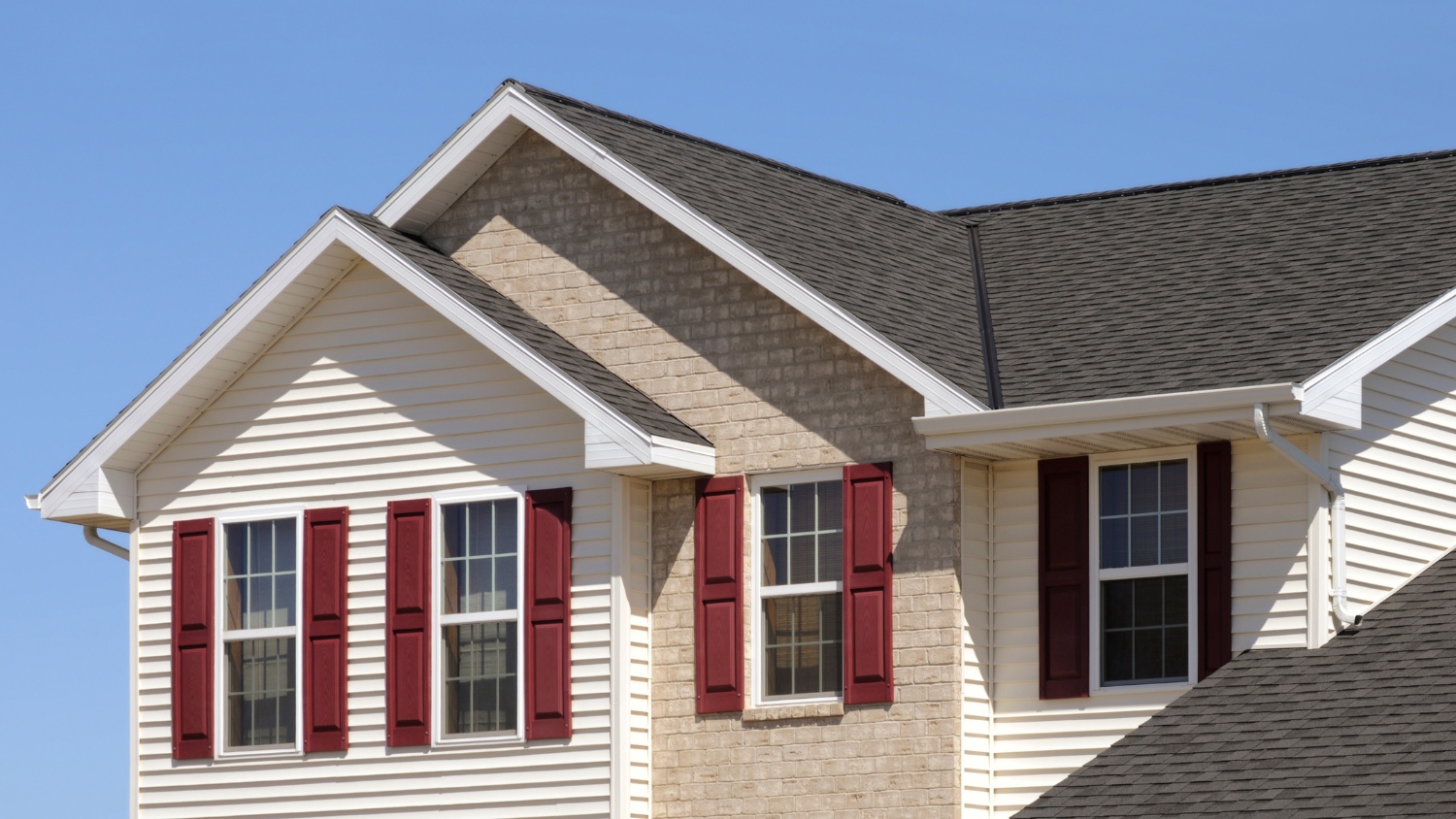
A gable roof is one of the most recognizable residential roof shapes in the United States. It consists of two sloping sides that meet at a ridge, forming a triangular section at each end of the home.
While the basic shape is simple, the overall gable roof design can vary significantly depending on how those slopes are arranged and detailed. That variation is what creates different gable roof types.
Gable roofs remain popular for several practical reasons:
- They shed water and snow efficiently due to their slope
- They allow for better attic space compared to flatter roof designs
- They are generally simpler to frame and maintain
- They fit a wide range of architectural styles
However, the specific type of gable roof you choose during a roof replacement can influence everything from cost to long-term durability.
Why Gable Roof Types Matter During a Roof Replacement
When planning a roof replacement, homeowners often focus on shingles or materials. That matters, but the underlying gable roof design plays an equally important role.
Different gable roof types affect:
- Installation complexity
- Flashing and drainage performance
- Ventilation layout
- Structural load distribution
- Future repair needs
For example, a simple roofline may reduce labor and potential leak points, while a more complex design with multiple intersections may require more precise installation.
When comparing gable roof styles, most homeowners prioritize four factors:
-
- Cost of the roof replacement
- Usable attic space
- Exterior appearance
- Performance in local weather
Understanding how each gable roof design impacts these factors helps you make a more informed decision.
5 Main Gable Roof Types Homeowners Should Know
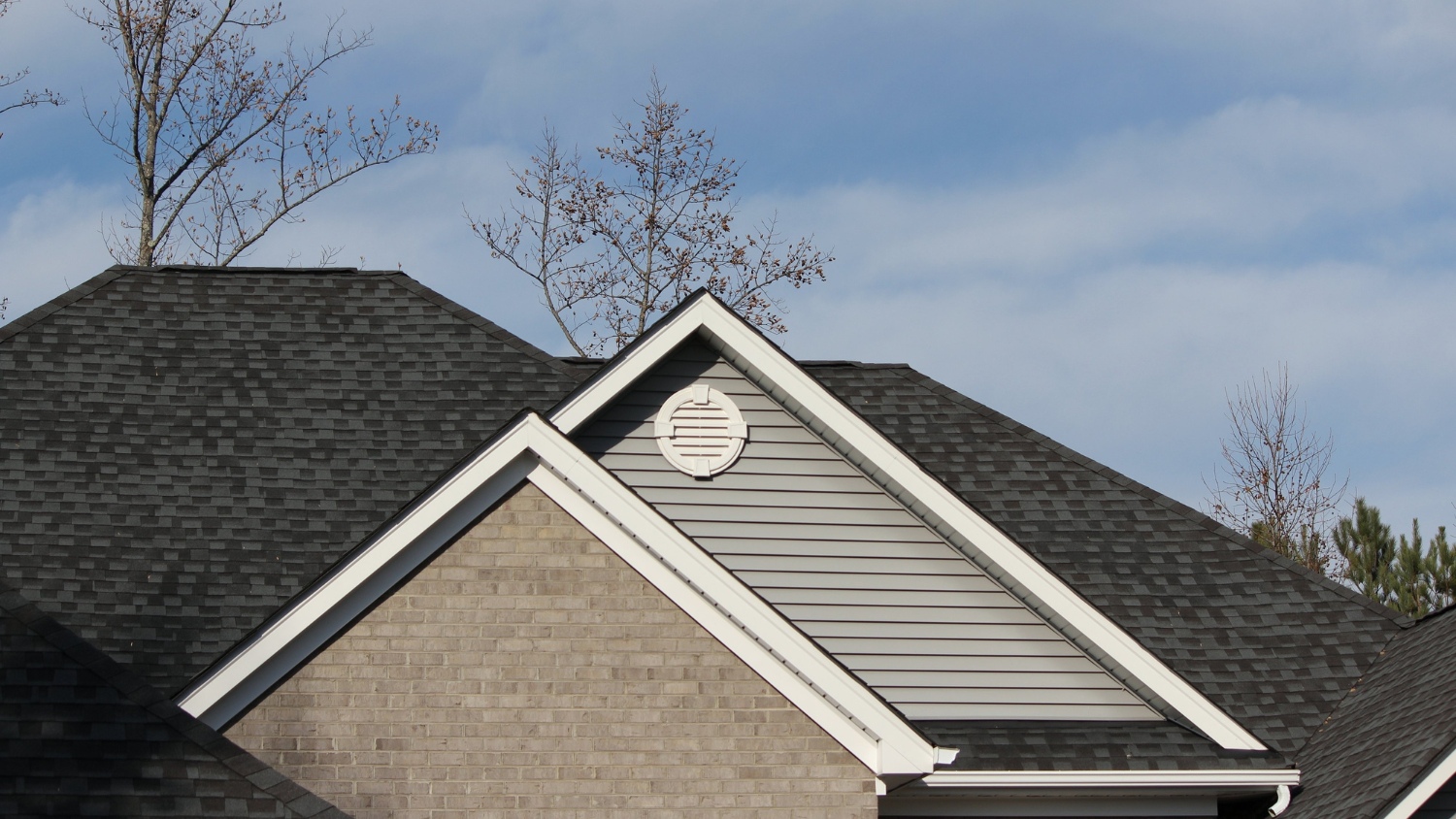
Not all gable roof types offer the same advantages during a roof replacement. Some help keep costs lower, while others improve attic space, curb appeal, or compatibility with a more complex home layout.
1. Standard Gable Roof
A standard gable roof is the most common and straightforward option. It has two sloping sides that meet at a ridge, with a triangular gable wall on each end. For many homeowners, this is the most practical gable roof design because it keeps the framing and replacement scope relatively simple.
Pros
- Simple roof shape
- Usually lower labor cost
- Sheds rain and snow well
- Easier to ventilate properly
- Often provides solid attic space
Cons
- Less architectural detail
- Can look plain on larger homes
- Gable ends need strong wind bracing
Best For
- Budget-conscious roof replacement projects
- Homes with simple rectangular layouts
- Homeowners prioritizing function over ornament
- Owners who want one of the most efficient gable roof styles
2. Box Gable Roof
A box gable roof builds on the standard gable form but gives the end sections a more finished, enclosed look. During a roof replacement, a box gable roof can be a smart middle ground between simplicity and stronger curb appeal.
Pros
- More polished exterior look
- Adds visual depth to the facade
- Keeps a fairly familiar roof structure
- Supports a more upgraded look without a full redesign
Cons
- More trim and finish detail
- Slightly more complex edge work
- May increase labor compared to a basic gable
Best For
- Homeowners who want better curb appeal
- Traditional homes needing a cleaner profile
- Replacement projects where appearance matters
3. Front Gable Roof
A front gable roof places the gable facing the street, often above the main entrance or a porch. It changes how the home presents from the front and can make the entry feel more prominent.
Pros
- Strong visual focal point
- Highlights the front elevation
- Works well with porches and entryways
- Adds character without excessive complexity
Cons
- May not improve attic space much
- Design impact is mostly visual
- Tie-ins must be flashed carefully
Best For
- Homes where curb appeal is a priority
- Smaller homes with a front-facing facade
- Colonial, cottage, and Cape-style homes
- Owners who want a stronger street presence
4. Cross-Gable Roof
A cross-gable roof combines two or more gable sections that intersect. This is common in homes with attached garages, side wings, or multiple additions.
Pros
- Fits complex home layouts
- Creates a more custom look
- Can define separate sections of the house
- Offers flexibility in overall gable roof design
Cons
- More valleys and intersection
- Higher flashing demands
- More labor during replacement
- Greater leak risk if detailing is poor
Best For
- Larger homes with multiple sections
- Homes with additions or garage tie-ins
- Owners willing to trade simplicity for style
- Projects where the existing structure already supports this design
5. Dutch Gable Roof
A Dutch gable roof combines a hip roof base with a gable section above it. It is less common than other gable roof styles, but it can add architectural character and improve upper-level space depending on the structure.
Pros
- Distinctive appearance
- Can add visual height
- May improve usable upper-level space
- Blends style with structural interest
Cons
- More complicated framing
- Usually higher replacement cost
- Requires careful design and installation
- Not always necessary for simple homes
Best For
- Homes with more custom architecture
- Owners focused on design impact
- Projects with a larger replacement budget
➤ READ: Roof Contractor Near Me — Roof Types That Add the Most Value
How To Choose the Best Gable Roof Design for Your Roof Replacement
Choosing between gable roof types is not just about appearance. It is about selecting a gable roof design that fits your home’s structure, budget, and weather exposure in Poughkeepsie.
1. Start With Your Existing Roof Structure
The best place to begin is with the house itself. Your current roofline, framing, and layout will shape what is practical, what is costly, and what may not be worth changing.
- Identify your current roof shape
- Check for additions, garages, or extensions
- Look at existing valleys and intersections
- Consider if structural changes are feasible
- Ask if a redesign would increase costs significantly
2. Define Your Top Priority
Not all gable roof styles solve the same problem. Some are better for lowering cost, while others are better for attic space, appearance, or drainage.
- Lower overall replacement cost
- More usable attic space
- Improved curb appeal
- Better drainage and weather handling
- Reduced long-term maintenance
3. Factor in Poughkeepsie Weather Conditions
A good-looking roof still has to perform through snow, rain, and freeze-thaw cycles. That is why local weather should play a direct role in your gable roof design choice.
- Ensure slope supports snow shedding
- Plan for proper attic ventilation
- Reduce risk of ice dams
- Consider drainage during heavy rain
- Choose designs with fewer vulnerable joints
4. Compare Simple vs Complex Rooflines
The more complex the roofline, the more labor and detail the replacement usually requires. This affects labor, flashing, water control, and long-term maintenance.
- Simple designs usually cost less
- Fewer valleys mean fewer leak risks
- Complex layouts need more flashing
- Detailed designs require skilled installation
- Maintenance tends to be higher over time
5. Evaluate Attic Space Potential
If attic room matters, roof shape deserves a closer look. Different gable roof types can change how much usable space you actually get above the ceiling line.
- Standard gable roofs allow easier attic access
- Steeper pitches increase headroom
- Cross-gable layouts may divide space
- Dutch gable designs can add vertical room
- Consider future storage or finishing needs
6. Review Budget vs Long-Term Value
A lower bid does not always mean better value. The right roof replacement should balance upfront cost with durability, drainage, and future repair risk.
- Simpler designs reduce upfront cost
- Complex designs may increase resale appeal
- Better drainage can prevent future repairs
- Proper design reduces maintenance issues
- Invest where performance matters most
7. Consult a Roofing Professional
Once you narrow the options, a contractor can help confirm what makes sense for your home. This is where design ideas meet structural reality.
- Assess the decking and structural condition
- Recommend ventilation improvements
- Identify drainage and flashing needs
- Confirm the feasibility of design changes
- Help compare realistic options for your roof replacement
What To Look for in a Roofing Contractor
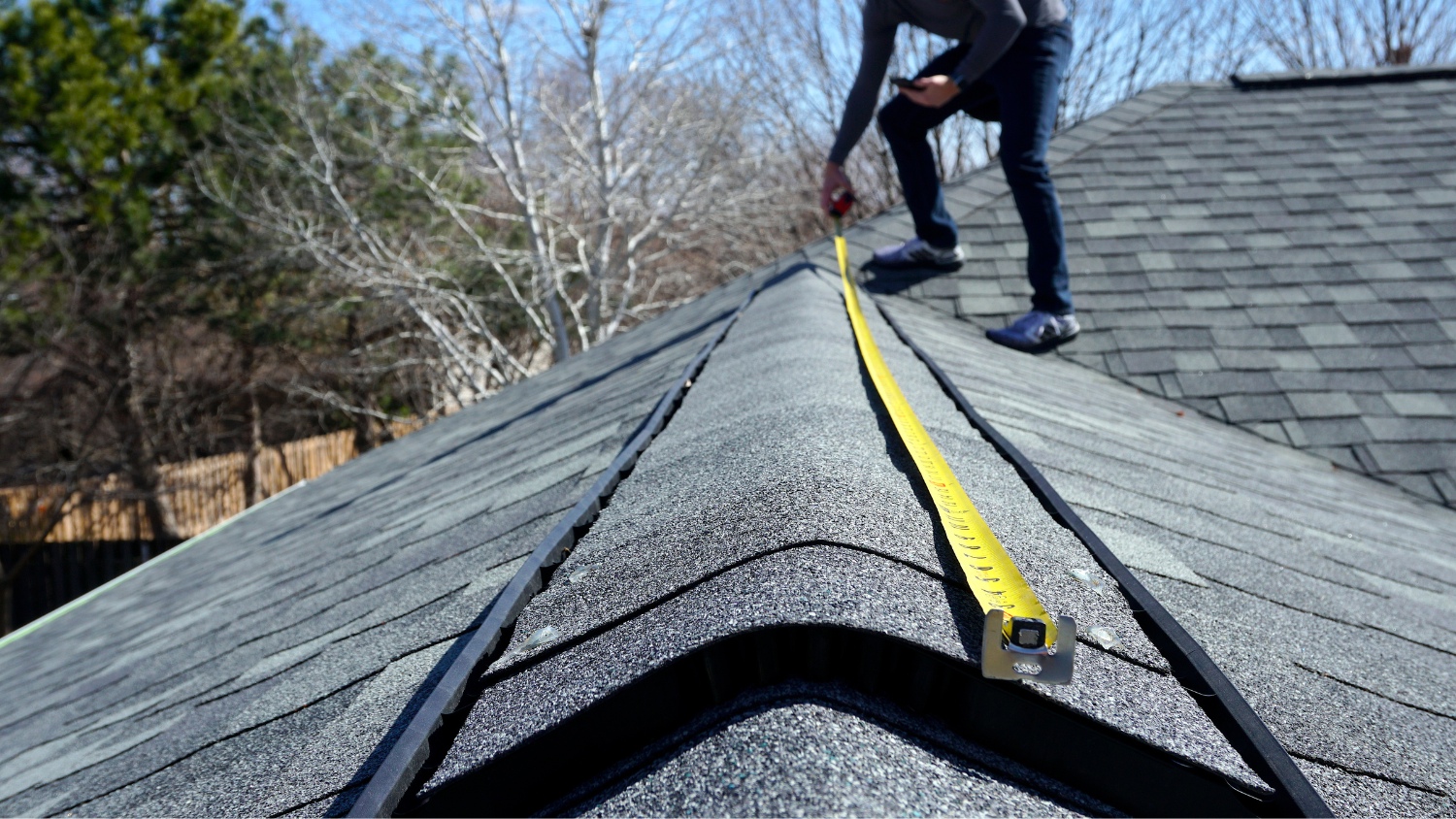
Choosing the right contractor is just as important as selecting the right gable roof design for your roof replacement. Look for clear qualifications and proven experience.
- Proper licensing and insurance coverage
- Experience with different gable roof types and layouts
- Knowledge of local Poughkeepsie building codes
- Clear, detailed written estimates
- Strong reviews and local references
- Experience with ventilation and drainage systems
- Transparent communication and timelines
- Warranty options for materials and workmanship
A qualified contractor helps ensure your chosen gable roof style is installed correctly for long-term performance.
Frequently Asked Questions (FAQs)
Does a steeper gable roof cost more to replace?
Usually, yes. A steeper slope can increase labor time, safety requirements, and material handling costs during a roof replacement. The final price also depends on roof size, access, and how complex the roofline is.
Which gable roof design is easiest to maintain?
A standard gable roof is often the easiest to maintain because it has a simpler shape, fewer intersections, and fewer areas where water can collect. Among common gable roof types, simple rooflines usually mean fewer maintenance issues over time.
Can gable roof styles affect home resale value?
They can. A well-chosen gable roof design may improve curb appeal and help the home look more updated. Value depends on whether the style fits the home’s architecture and whether the roof was installed properly.
Are permits required if I change the roof design during replacement?
In many cases, yes. If the project changes the structure, pitch, or framing, permit review is often required. Homeowners should ask their contractor whether the planned roof replacement involves code or permit considerations.
How long should a homeowner expect to live with the chosen roof design?
Most homeowners will live with that roof design for decades, so the decision should go beyond looks alone. When comparing gable roof styles, it makes sense to prioritize durability, drainage, and long-term maintenance along with appearance.
Need Help Choosing the Right Gable Roof Style?
Whether you are considering a standard layout or upgrading to a box gable roof or other gable roof styles, making the right decision early can prevent costly issues later.
Working with an experienced contractor in Poughkeepsie, NY, can help you choose a roof design that truly fits your home. Lyndsey Roofing, LLC can assess your current roof, explain your options clearly, and guide you toward a solution that balances cost, performance, and curb appeal.