As interest in renewable energy surges in 2025, solar shingles have emerged as an innovative way to combine roof protection with clean energy generation. These advanced systems blend seamlessly into rooftops, offering a sleek alternative to traditional solar panels. For property owners considering solar energy for the first time, choosing solar roof shingles involves understanding costs, installation needs, and long-term benefits.
Here’s what to know before making the switch to solar roofing in Poughkeepsie, NY.
Table of Contents
Key Takeaways
✔ Solar shingles combine roofing protection with clean energy generation in a sleek, modern design.
✔ Installing solar roof shingles costs significantly more than traditional roofing or standard solar panels.
✔ Solar panel shingles typically cost between $25,000 and $60,000 depending on brand, size, and labor.
✔ Choosing the right solar roofing involves considering materials, energy output, aesthetics, and installation options.
✔ Solar energy shingles can reduce electricity bills by 40% to 60% while qualifying for tax credits and rebates.
✔ While solar roofing costs more upfront, it can add property value and long-term energy savings.
✔ Solar roof shingles are ideal for homeowners who prioritize appearance, sustainability, and lasting performance.
How Much Are Solar Shingles?
The average cost to install solar roof shingles typically ranges between $25,000 and $60,000 for a standard U.S. home. This comes out to around $15 to $35 per square foot for the average 1,700-square-foot roof. However, the final cost largely depends on the solar roof tile brand selected and the roofing contractor’s experience with solar roofing installations.
Solar shingles are priced differently than traditional roofing materials because they generate electricity while serving as a protective covering. Instead of being priced solely by square footage, solar panel shingles are often priced by wattage, ranging from $3.50 to $8.00 per watt.
This makes solar energy shingles about 15% to 25% more expensive on average than traditional solar panels, although the investment can be offset by lower electric bills, federal tax credits, and a sleeker, more modern roof design.
And with the market projected to reach $555.2 million by 2031, interest in solar shingles continues to rise.
Factors That Go Into Solar Roof Shingle Pricing
Several important factors influence the overall cost of installing solar roof shingles. While the system’s wattage plays a major role, there are other variables like roofing complexity, material choice, and contractor experience that significantly affect the price.
1. Type of Solar Shingle
The type of solar shingle selected impacts efficiency and overall price. Most solar shingles are made from copper indium gallium selenide, which typically delivers about 12–14% efficiency, lower than standard solar panels. Premium options using monocrystalline silicon offer higher efficiency but come at a much steeper cost.
2. Solar Shingle Manufacturer or Brand
The brand chosen for solar roof shingles has a major influence on material and installation pricing. For example, a Tesla Solar Roof tends to cost far more than a SunTegra system, reflecting differences in efficiency, appearance, and durability. Each brand also varies in terms of included warranties, aesthetics, and energy output potential.
3. Labor Costs and Time to Complete Installation
Labor costs can significantly vary based on location and installer experience with solar panel shingles. More experienced contractors usually complete the work faster and at a lower overall labor cost, while inexperienced crews may take longer, increasing the final bill. Solar roofing installation includes several steps, from removing old shingles to wiring the energy system.
4. Removing Current Roof and Disposal Fees
If replacing an existing roof, expect additional costs for removal and disposal of old materials. The complexity and material of the original roof determine the removal fee, and disposal often adds another line item to the invoice. Some contractors include this cost in their quotes, while others bill it separately.
5. Size and Complexity of the Roof
Larger roofs require more materials and more labor, naturally raising the total installation price. In addition to size, roofs with steep pitches, multiple tiers, or numerous obstructions like chimneys or skylights will also drive up labor costs. A simple, flat roof will always cost less to equip with solar energy shingles than a complex, intricate roof design.
6. Available Incentives and Tax Credits
Financial incentives like the federal solar tax credit and local rebate programs can reduce the effective cost of installing solar roof shingles. These savings are not applied upfront but come back through tax returns, helping offset the high initial investment. Factoring incentives into the budget gives a clearer picture of the true long-term cost of solar roofing.
Pros of Installing Solar Shingles
A roof typically lasts around 30 years, making it a long-term investment worth careful consideration. Solar shingles offer more than just energy generation — they bring a range of advantages that blend style, practicality, and innovation. Many property owners are drawn to solar roofing because it enhances curb appeal while supporting clean energy goals. Here are some of the biggest reasons solar panel shingles stand out:
1. Seamless Appearance and Dual Function
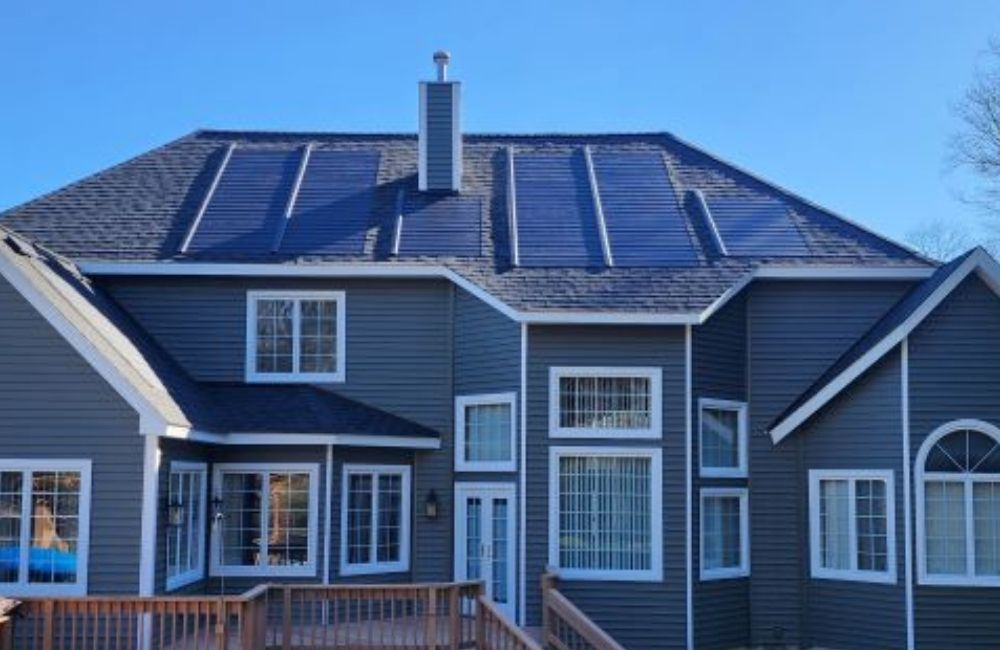
Solar roof shingles are designed to look like regular roofing materials, creating a clean, low-profile appearance that traditional panels cannot match. They protect the home while simultaneously generating electricity, eliminating the need for two separate systems. This dual function makes solar energy shingles a smart, space-saving solution.
2. Weather Resistance and Durability
Built with sturdy, weather-resistant materials, solar panel shingles are designed to handle harsh conditions like heavy rain, snow, and strong winds. Most solar roofing products come with warranties lasting 25 years or longer, offering peace of mind for long-term performance. A properly installed solar roof can deliver decades of reliable energy production while standing up to the elements.
3. Increased Home Value and Energy Independence
Installing solar roofing can boost a property’s market value by offering potential buyers a more energy-efficient, eco-friendly home. Solar shingles can also be paired with energy storage systems, allowing homeowners to store excess energy for use during power outages. This combination leads to greater independence from utility companies and long-term savings on electricity costs.
Cons of Installing Solar Shingles
While solar shingles bring impressive benefits, they also come with limitations that can impact the decision to install them. Higher upfront costs, lower efficiency, and fewer installation options are important factors to keep in mind. Understanding the potential downsides of solar energy shingles is key before moving forward with a project.
1. Higher Upfront Cost
Compared to traditional solar panels, solar roof shingles come with a significantly higher price tag. Installation costs are typically 15% to 25% greater, making solar roofing one of the most expensive renewable energy upgrades available. Even with incentives, the initial investment can be a barrier for many property owners.
2. Lower Energy Efficiency
Solar shingles generally deliver lower energy efficiency compared to standard monocrystalline panels. While they still provide meaningful energy savings, property owners may need a larger roof area covered in solar panel shingles to match the output of traditional panels. This can limit the overall energy production potential for some homes.
3. Limited Availability and Maintenance Challenges
Not every roofing contractor offers expertise in installing solar roof shingles, which can make finding a qualified installer more difficult. Fewer options also mean less flexibility for repairs, maintenance, or upgrades over time. In addition, since solar shingles are newer technology, service costs may be higher compared to conventional solar energy systems.

What To Consider When Choosing Solar Shingles for Your Home
Selecting the right solar roof shingles involves more than just picking the most popular brand. Factors like materials, energy output, installation options, and cost can heavily impact the system’s performance and value. Thinking through each of these areas ensures the solar roofing investment fits both energy needs and long-term goals.
1. Materials
Solar shingles are typically made from either copper indium gallium selenide or monocrystalline silicon. Monocrystalline options are more expensive but deliver higher energy conversion efficiency, making them ideal for maximizing power from smaller roof spaces. Understanding the material used helps balance performance with overall cost.
2. Energy Output
Energy needs vary based on daily usage, roof space, and sunlight exposure. Solar panel shingles can be installed across a portion of the roof to offset utility bills without needing a full rooftop system. Even in cloudy conditions, solar energy shingles remain effective by capturing scattered light rather than relying solely on direct sun.
3. Installation
Because solar shingles are still relatively new, finding an experienced installer can be challenging in some regions. Southern states like California, Nevada, and Florida generally have more available contractors due to stronger solar markets. Hiring a professional with experience installing solar roofing reduces installation time, improves performance, and lowers the risk of future maintenance issues.
4. Managing Excess Energy
Homeowners can either sell excess energy back to the grid or store it for later use with a solar battery. Selling energy through net metering provides financial credits, while battery systems offer backup power during outages or nighttime use. Deciding between the two depends on budget, energy needs, and local utility programs.
5. Aesthetics and Cost
Solar roof shingles blend better with traditional roofing styles, making them a good fit for neighborhoods with strict HOA guidelines. However, they carry a hefty upfront price tag, often averaging around $55,000 for full installations. Financing options like solar loans, home equity loans, or installer-backed programs can make solar energy shingles more affordable while adding long-term value to the property.
6. Incentives and Tax Credits
Available incentives and tax credits can significantly lower the upfront cost of solar roof shingles. Programs like the federal solar tax credit and local rebates help make solar roofing more affordable. Always research and factor in these savings when budgeting for a solar energy system.
What Do You Save on Energy Costs with Solar Shingles?
While installing solar roof shingles comes with a high upfront cost, the long-term savings can be significant. On average, solar shingles can cut energy costs by 40% to 60%, depending on the number installed and the energy demands of the property.
Federal incentives like the 30% solar tax credit and additional state rebates further lower the financial burden. Over time, these savings help make solar roofing a practical investment for cutting utility bills and boosting overall home value.
Traditional vs Solar Roof Replacement: How Much Does it Cost?
Understanding how much do solar shingles cost vs traditional roofing materials is essential when deciding whether solar panel shingles make sense. Reshingling a standard roof typically costs much less than installing solar energy shingles, but traditional roofs do not offer any energy savings. Comparing the costs side by side highlights why solar roof shingles are a larger upfront investment, but one that may deliver bigger long-term value.
Roof Type | Cost per Square Foot Installed | Average Total Cost |
Asphalt Composition / 3-Tab Shingles | $3 – $5 | $5,700 – $12,000 |
Architectural / Dimensional Shingles | $4 – $6 | $7,500 – $16,000 |
Luxury / Premium Asphalt | $5 – $7 | $7,500 – $18,000 |
Cedar / Wood Shingles | $5 – $12 | $7,500 – $25,000 |
Composite / Rubber Roofing | $7 – $14 | $15,000 – $26,500 |
Metal Shingles | $6 – $14 | $9,000 – $35,000 |
Natural Slate | $10 – $30 | $22,000 – $70,000 |
Solar Shingle Roof | $21 – $40 | $42,000 – $80,000 |
Are Solar Shingles the Right Investment for Long-Term Savings and Sustainability?
Solar shingles offer a compelling way to combine roofing and renewable energy into a single, seamless solution, but they come at a high upfront cost. For those who value aesthetics, long-term energy savings, and reducing their carbon footprint, solar roof shingles can be a worthwhile investment.
However, careful consideration of energy needs, budget, installation options, and future plans is essential before making the leap. With thoughtful planning, solar energy shingles can deliver lasting benefits that extend far beyond a traditional roof replacement.
Frequently Asked Questions (FAQs)
Are solar shingles worth it?
Solar shingles can be worth the investment for property owners who value aesthetics, energy savings, and sustainable living. They combine the functions of a roof and a solar energy system, helping to offset electricity costs over time. However, they come at a much higher upfront cost compared to traditional roofing or standard solar panels. Their true value often depends on energy usage, budget, and long-term plans for the property.
What are solar shingles?
Solar shingles are advanced roofing materials designed to function as both a roof covering and a source of renewable energy. Unlike traditional panels that sit on top of a roof, solar roof shingles integrate directly into the structure, creating a smooth, modern appearance. Each shingle contains photovoltaic cells that capture sunlight and convert it into usable electricity for the property. It offers a practical and attractive solution for those looking to upgrade their rooftop.
How much do solar shingles cost?
The average cost to install solar roof shingles ranges from $25,000 to $60,000, depending on the roof size, brand, and complexity of the installation. This typically translates to about $15 to $35 per square foot for the average home. Solar panel shingles are priced between $3.50 and $8.00 per watt, making them more expensive than standard solar panels. Higher-end systems, like the Tesla Solar Roof, can exceed $70,000.
How much are solar shingles?
Solar shingles generally cost between $21 and $40 per square foot installed. The total price for a complete solar shingle roof typically falls between $42,000 and $80,000. Pricing depends on the brand, energy output, and labor involved with the project. Although more costly upfront, solar roofing can deliver long-term savings through reduced energy bills and tax incentives.
How do solar shingles work?
Solar shingles work by capturing sunlight with embedded photovoltaic cells and converting it into usable electricity. They are wired together in series and connected to an inverter that transforms the DC electricity into AC power for the property. Unlike traditional panels that sit on top of the roof, solar roofing integrates directly with the structure for a seamless appearance. These systems can also connect to solar batteries or the local utility grid to manage excess energy production.
Upgrade to a Solar Roof Today with Lyndsey Roofing!
Protect what matters most with professional roofing solutions from Lyndsey Roofing, LLC in Poughkeepsie, NY. Whether it’s time for a full roof replacement, repair, or an energy-saving upgrade, our team delivers craftsmanship you can count on. Known for quality materials, honest service, and a commitment to every detail, Lyndsey Roofing, LLC helps make every home stronger, safer, and more efficient.
Reach out today to get a personalized estimate and experience the difference a trusted local roofing expert can make.