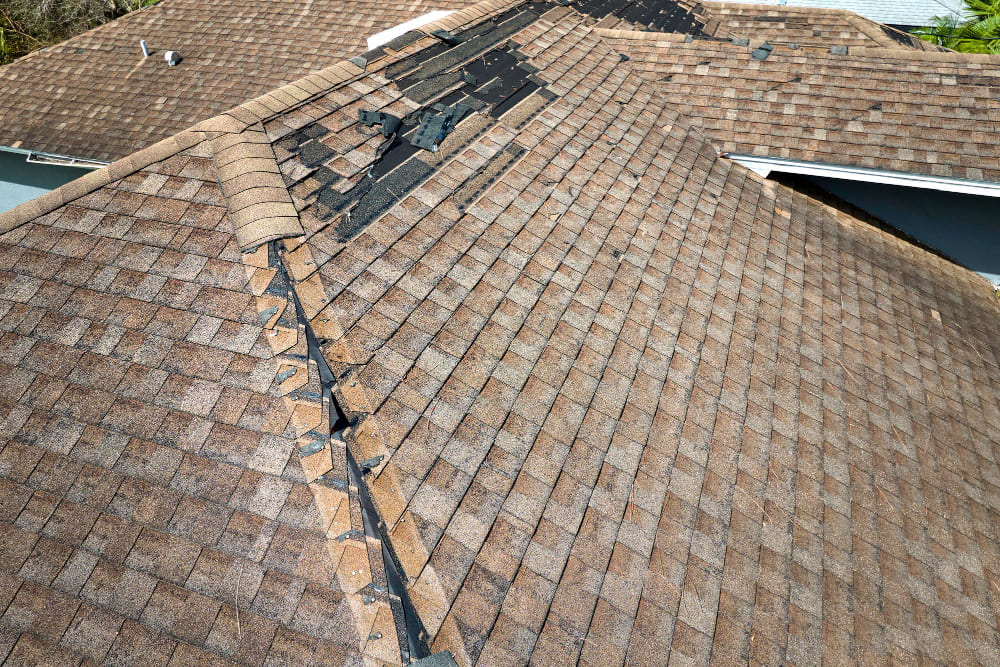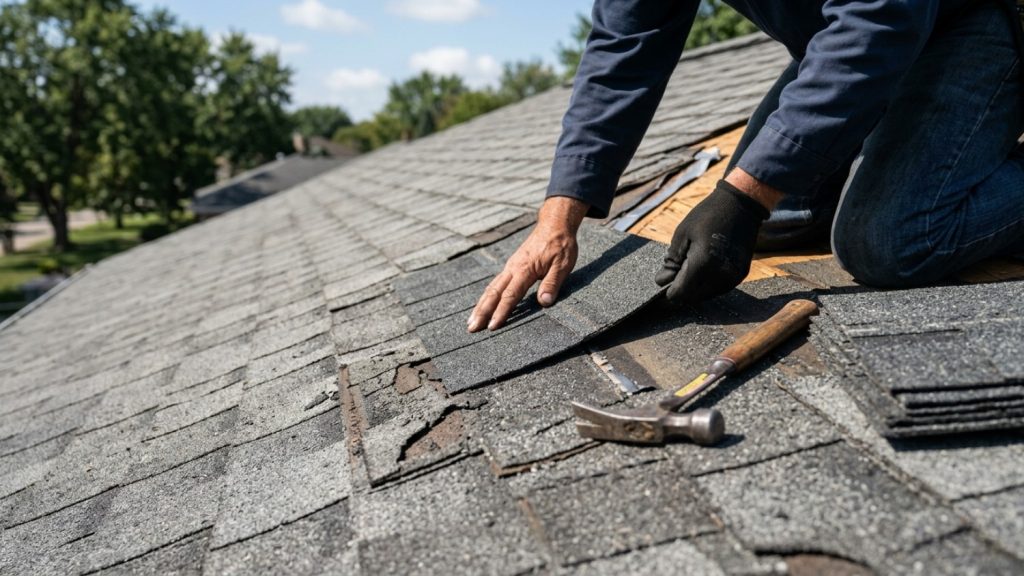
Seeing damaged shingles can make any homeowner think the worst. A missing tab, a curled edge, or a small leak may look like the start of a full roof replacement. But in many cases, that is not the reality.
The real question is not whether the roof looks damaged. It is whether the damage is isolated.
Here, we’ll break down when asphalt shingle roof repair makes sense and when replacement is the smarter choice.
What’s In This Guide
- Can You Repair a Few Damaged Shingles Without Replacing the Whole Roof?
- When Shingle Roof Repair Makes Sense
- When Shingle Roof Replacement Is the Better Choice
- How To Tell if Roof Shingle Repair Is Enough: Step-By-Step
- How Asphalt Shingle Roof Leak Repair Is Typically Handled
- Can You DIY a Few Damaged Shingles?
- Why Matching Replacement Shingles Can Be Difficult
- Frequently Asked Questions (FAQs)
- Find Out If Your Roof Needs Repair or Replacement Today
Quick Facts
- A few damaged shingles can often be repaired.
- Shingle roof repair works best for isolated damage.
- Replacement is better for brittle shingles or recurring leaks.
- Roof shingle repair cost depends on the damage and access.
- An inspection confirms if asphalt shingle roof leak repair is enough.
Can You Repair a Few Damaged Shingles Without Replacing the Whole Roof?
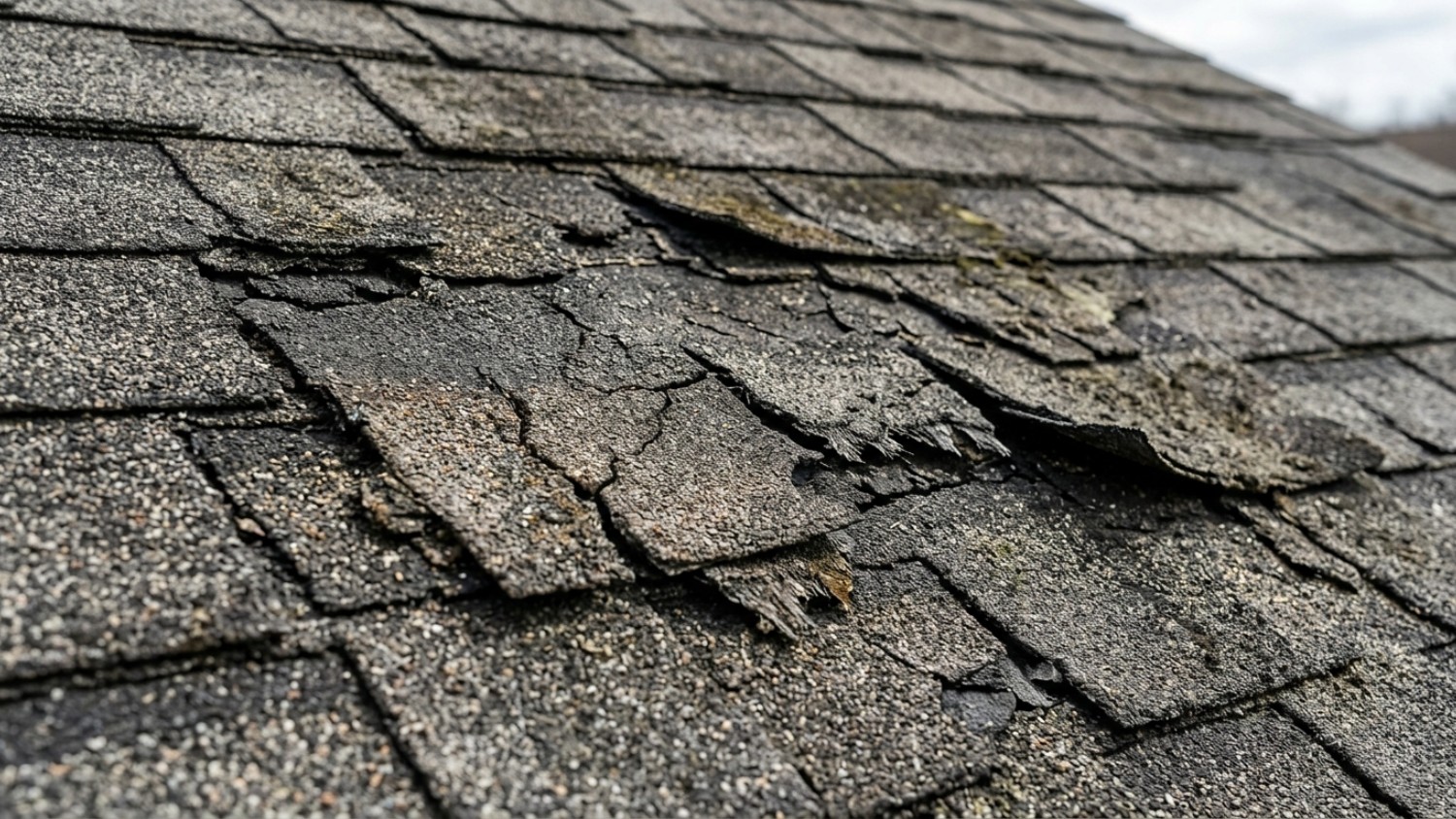
Yes, you can often repair a few damaged shingles without replacing the whole roof. This is especially true for asphalt shingle roof repair when the damage is limited to a small area and the rest of the roof is in good condition.
However, not all damage is equal. A small section of missing or cracked shingles may be a straightforward repair. But if the problem extends beyond what is visible, or if the roof is aging, a simple fix may not last.
When Shingle Roof Repair Makes Sense
Not all roof damage requires a full replacement. In many cases, targeted shingle roof repair is the most practical solution when the issue is limited and the rest of the roof system is still performing well.
Minor, Isolated Shingle Damage
When only a small section of shingles is affected, repair is often straightforward and effective.
- A few shingles missing after strong winds
- Cracks or tears limited to one area
- Damage confined to a single roof slope
- Surrounding shingles are still intact and flexible
This is one of the most common scenarios where asphalt shingle roof repair works well without disturbing the rest of the roof.
Localized Leaks With a Clear Source
If a leak can be traced to a specific spot, a focused repair may resolve the issue.
- Leaks near vents, chimneys, or flashing
- Water intrusion tied to a small damaged section
- No signs of widespread moisture or staining
In these cases, asphalt shingle roof leak repair typically involves replacing affected shingles and sealing vulnerable areas.
Roof Is Still Relatively New
The age of the roof plays a major role in whether repairs will hold over time.
- Shingles remain flexible, not brittle
- No widespread curling or granule loss
- The roof is still within its expected lifespan
Newer roofs respond better to shingle roof repair because materials can integrate more cleanly with existing shingles.
Damage Has Not Spread Beyond the Surface
Surface-level issues are more likely to be repairable than structural problems.
- No soft spots in the decking
- Underlayment appears intact
- No sagging or structural concerns
When the damage is limited to the outer layer, asphalt shingle roof repair can restore protection without deeper reconstruction.
Repair Costs Are Proportionate to the Problem
Cost efficiency is a key factor when deciding between repair and replacement.
- The roof shingle repair cost is much lower than replacement
- No repeated repairs in the same area
- The fix extends the roof’s usable life
If the roof shingle repair cost aligns with the scale of the damage, repair is usually the smarter short-term and mid-term solution.
When Shingle Roof Replacement Is the Better Choice
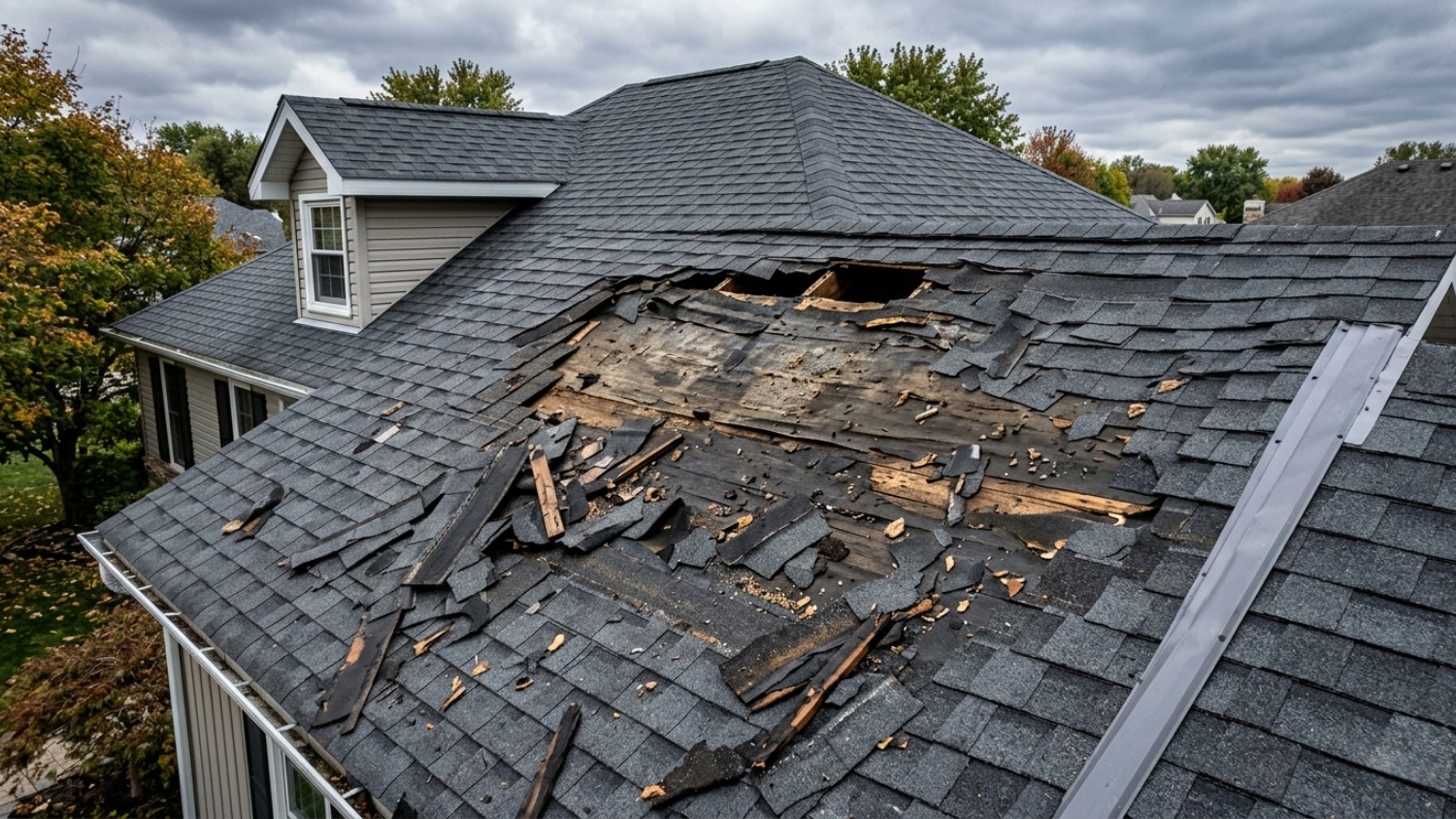
Some roofs are too worn or too widely damaged for a small repair to be worth it. In these cases, replacement may offer better long-term protection than repeated shingle roof repair.
Damage Covers Multiple Areas
Widespread damage usually means the roof system is weakening beyond one isolated spot.
- Missing shingles appear on several slopes
- Cracks or tears are spread across the roof
- Wind damage keeps returning
- Repairs would cover too much surface area
When damage is this broad, asphalt shingle roof repair may only solve part of the problem.
Shingles Are Brittle, Curling, or Deteriorating
Aging shingles are harder to repair because they can break during removal or installation.
- Shingles curl at the edges
- Granules are heavily worn away
- Shingles crack when handled
- The shingles look dry, faded, or uneven
At this stage, the roof shingle repair cost may not be practical compared with replacement.
Leaks Keep Coming Back
Recurring leaks often point to deeper problems under the shingles.
- Water stains return after repairs
- Leaks appear in different rooms
- Moisture is found in the attic
- Flashing or underlayment is failing
Repeated asphalt shingle roof leak repair can become expensive when the real issue is an aging roof system.
The Roof Is Near the End of Its Lifespan
Even a small repair may not be worthwhile if the roof is already close to replacement age.
- Repairs would only provide a short-term fix
- Matching new shingles is difficult
- Older shingles no longer seal well
- Other sections may fail soon
In this case, replacement can be the more cost-effective choice than continuing with shingle roof repair.
The Repair Would Not Restore Reliable Protection
The main goal is not just to cover visible damage, but to keep water out consistently.
- Decking is soft or damaged
- Underlayment has deteriorated
- Several roof components are failing
- The roof no longer performs as a complete system
When the roof cannot be made dependable through targeted asphalt shingle roof repair, replacement is usually the better investment.
How To Tell if Roof Shingle Repair Is Enough: Step-By-Step
Making the right decision starts with a structured evaluation. Before assuming you need a full replacement, check whether the problem is isolated, repairable, and unlikely to return soon.
Step 1: Count the Damaged Shingles
A few damaged shingles in one area usually support shingle roof repair. If the damage appears across several slopes, the roof may have broader wear or weather-related failure.
Step 2: Check for Interior Signs of Water
Look for ceiling stains, attic moisture, damp insulation, or dark spots on decking. Even a small leak can mean water is traveling beneath the shingles.
Step 3: Consider Roof Age
Newer roofs are better candidates for asphalt shingle roof repair because the surrounding shingles are usually easier to work with. Older shingles may crack during repair.
Step 4: Assess Surrounding Shingles
Check whether nearby shingles are flat, flexible, and secure. If they are curling, brittle, or shedding granules, repairs may not hold for long.
Step 5: Evaluate Cost Versus Lifespan
Compare the expected remaining life of the roof with the roof shingle repair cost. Repeated repairs on an aging roof can become less practical.
Step 6: Get a Professional Inspection
A roofer can confirm whether asphalt shingle roof leak repair is enough or if hidden decking, flashing, or underlayment damage requires a bigger solution.
How Asphalt Shingle Roof Leak Repair Is Typically Handled
A proper asphalt shingle roof leak repair starts with finding where water is entering, not just where it shows up indoors. Water can travel along rafters, decking, or insulation before leaving a visible stain.
Inspecting the Roof and Interior Signs
The process usually begins with a roof surface inspection and an interior check. A roofer may look at attic moisture, ceiling stains, damaged shingles, and vulnerable areas around vents, chimneys, skylights, or flashing.
Finding the Actual Leak Source
The visible damage is not always where water is entering. During asphalt shingle roof leak repair, the roofer traces the path of water to identify whether the issue comes from missing shingles, cracked sealant, failed flashing, or worn underlayment.
Removing the Damaged Shingles
Once the source is confirmed, the damaged shingles are carefully removed. This step matters because nearby shingles can crack if they are brittle, which may affect the final roof shingle repair cost.
Checking Underlayment and Decking
Before new shingles are installed, the underlayment and decking are checked for moisture, rot, or soft spots. If the damage is limited, targeted asphalt shingle roof repair may be enough to restore protection.
Replacing Shingles and Sealing Vulnerable Areas
New shingles are installed, fastened properly, and integrated with the surrounding roof. Any weak points around flashing, vents, or roof penetrations may also be sealed as part of the shingle roof repair.
Confirming the Repair Holds
After the repair, the area should be checked during or after the next rainfall. If stains grow, moisture returns, or shingles lift again, the roof may need a deeper inspection rather than another small shingle roof repair.
Can You DIY a Few Damaged Shingles?
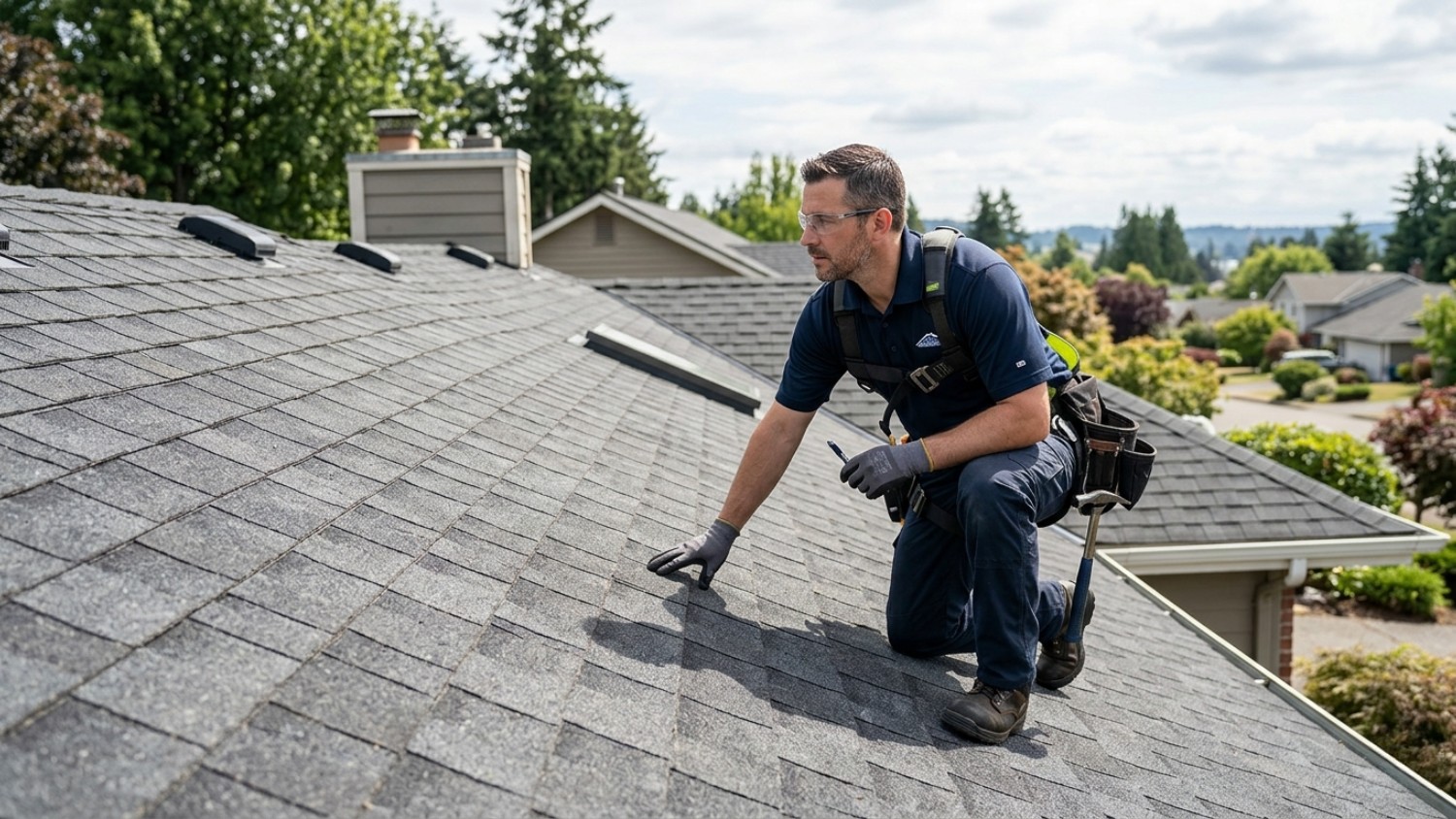
Some homeowners consider handling minor repairs themselves, but roofing work carries real risks.
Potential challenges include:
- Safety concerns, especially on steep or high roofs
- Difficulty identifying the true source of a leak
- Improper sealing or fastening
- Accidental damage to surrounding shingles
While visual inspections from the ground are useful, actual repair work is best handled with the right tools, materials, and experience.
Why Matching Replacement Shingles Can Be Difficult
Even a well-executed repair may be visible.
Over time, asphalt shingles fade due to UV exposure. Manufacturers also update product lines and colors. As a result, replacement shingles may not match perfectly.
This is largely a cosmetic issue. The primary goal of shingle roof repair is to restore protection against water intrusion. Visual differences are often a secondary concern compared to performance.
Frequently Asked Questions (FAQs)
Can a roof have hidden damage even if only a few shingles look damaged?
Yes. Visible shingle damage may be only part of the issue. Water can move under shingles and affect underlayment, flashing, or decking before signs appear indoors.
Should damaged shingles be repaired before selling a house?
Usually, yes. Repairing visible roof damage can reduce inspection concerns and help prevent buyers from questioning the roof’s overall condition.
Can repaired shingles affect curb appeal?
They can, especially if the existing shingles have faded. A color mismatch is common on older roofs, but proper waterproofing matters more than appearance.
Does homeowners insurance cover damaged shingles?
It depends on the cause and policy terms. Sudden damage from wind or hail may be covered, while age-related wear is usually not.
How long does a small shingle repair usually take?
Many minor repairs can be completed in one visit, depending on roof access, weather, material availability, and whether hidden damage is found.
Find Out If Your Roof Needs Repair or Replacement Today
Acting early can help control your roof shingle repair cost and prevent minor damage from becoming a larger roofing problem.
If you want a clear, professional assessment, Lyndsey Roofing, LLC can evaluate your roof, identify whether asphalt shingle roof leak repair is enough, and recommend the most practical next step based on your roof’s actual condition.