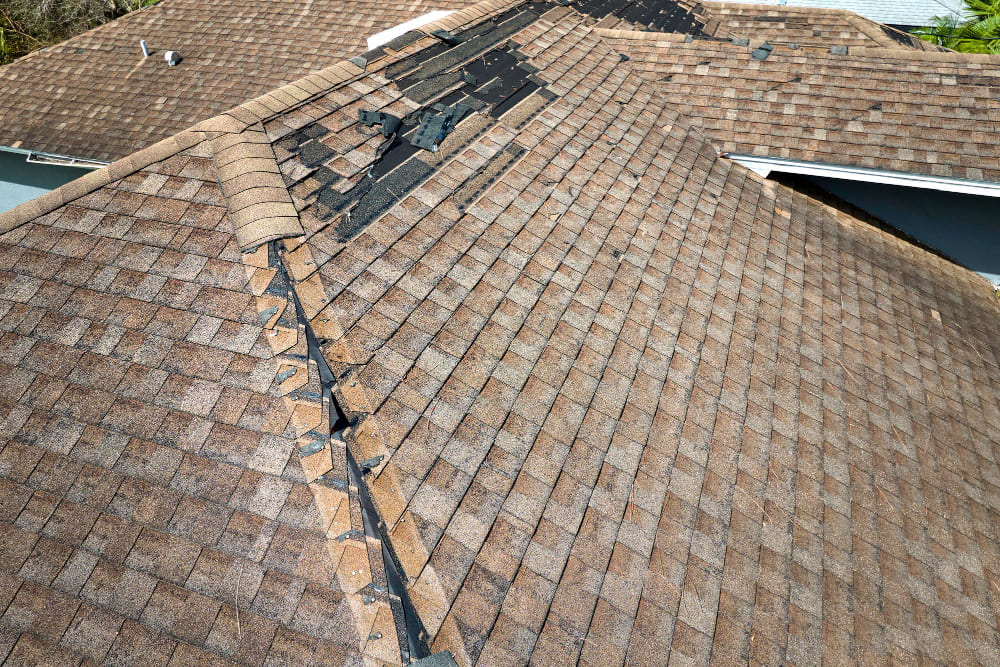
Roofs rarely fail all at once. Most problems start small: a lifted shingle edge, a tiny flashing crack, a clogged valley that holds water, or slow moisture intrusion you cannot see from the ground.
That is where AI-powered predictive maintenance helps. Instead of “fix when broken,” it uses tools like IoT sensors, high-resolution aerial imagery, and machine learning to spot early warning signs and predict where failure is likely next.
For many properties, this approach can cut maintenance costs. Most importantly, it helps you avoid surprises and extend the life of your roof.
What We Cover
What To Know
 Roofs usually fail from small issues that grow, not sudden collapse.
AI supports predictive maintenance by finding patterns humans can miss.
High-quality photos and consistent rechecks make AI results more useful.
The best ROI comes from fixing water-entry risks, especially flashing and valleys.
AI does not replace a roofer. It helps you prioritize smarter and act sooner.
Why Roof Longevity Is a Big Deal for Homeowners
A roof is your home’s first line of defense against the weather. When it is compromised, damage can cascade into insulation, drywall, framing, and personal property.
IBHS notes that in most years, roof-related damage is responsible for an estimated 70% to 90% of total insured residential catastrophic losses, depending on the events that year.
That does not mean every homeowner will have a catastrophe, but it does underscore one point: roof vulnerabilities are a common starting point for expensive loss.
How Poughkeepsie Weather Makes Small Issues Escalate Faster
Freeze-Thaw Cycles
When water enters a tiny gap and freezes, it expands. Over time, that can worsen cracks, lift edges, and open pathways wider. This is why “small defect” is not a stable condition in winter climates.
Snow Loads and Ice Dams
Ice dams form when heat loss warms the roof deck, melts snow, and the melt refreezes near colder eaves. The Building America Solution Center emphasizes three core strategies to reduce ice dam risk: air seal the ceiling plane, insulate thoroughly, and ventilate the roof.
Wind-Driven Rain
Wind can push water up and under vulnerable edges, especially where shingles are lifted or flashing is compromised. AI-assisted image review can help prioritize the most exposed zones for closer inspection.
What Predictive Maintenance Means for a Roof
Traditional roof care is usually one of two styles:
- Reactive: You act after a leak or visible damage.
- Time-based: You inspect on a schedule, often once a year.
Predictive maintenance is different. It is condition-based. You collect consistent data, compare it over time, and act when the data shows risk rising.
For a roof, predictive maintenance has three goals:
- Detect early defects that could become water entry points
- Track change over time so you can prioritize what is getting worse
- Target repairs to high-risk areas before damage spreads
The AI Tools That Make Predictive Maintenance Possible
High-Resolution Aerial Imagery
Drones and other aerial capture methods can produce a dense set of roof photos quickly. Machine learning models can then scan those images for defects and inconsistencies.
Research in the built environment has demonstrated deep learning approaches that use drone-collected roof imagery to identify missing shingles and classify roof condition. AI can scan hundreds of images and reliably point an inspector to the spots that deserve a closer look.
Machine Learning Damage Detection
Computer vision tools can flag visible risk signals such as:
- Missing, torn, or creased shingles
- Lifted edges and fastener issues
- Damaged or separated flashing
- Debris buildup in valleys
- Surface wear patterns that suggest accelerated aging
AI can help with speed and repeatability. It can also support safer inspections by reducing the time someone needs to spend walking the roof.
IoT Sensors and Condition Monitoring
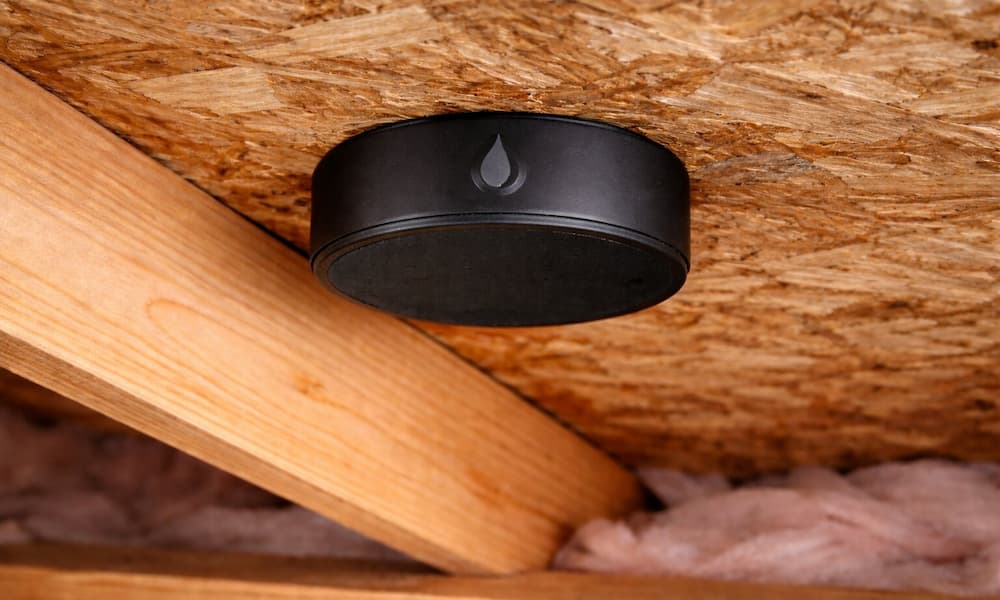
Some roof and attic setups use sensors to monitor conditions that correlate with roof problems, including:
- Moisture levels in susceptible areas
- Temperature and humidity patterns in attic spaces
- Leak detection in specific zones
Predictive maintenance frameworks in general often rely on sensors and IoT data to monitor assets and detect anomalies earlier. Residential roofs are not industrial machines, but sensors can still be useful in high-risk homes or where past leaks suggest hidden moisture is a recurring problem.
Infrared Thermography for Hidden Moisture
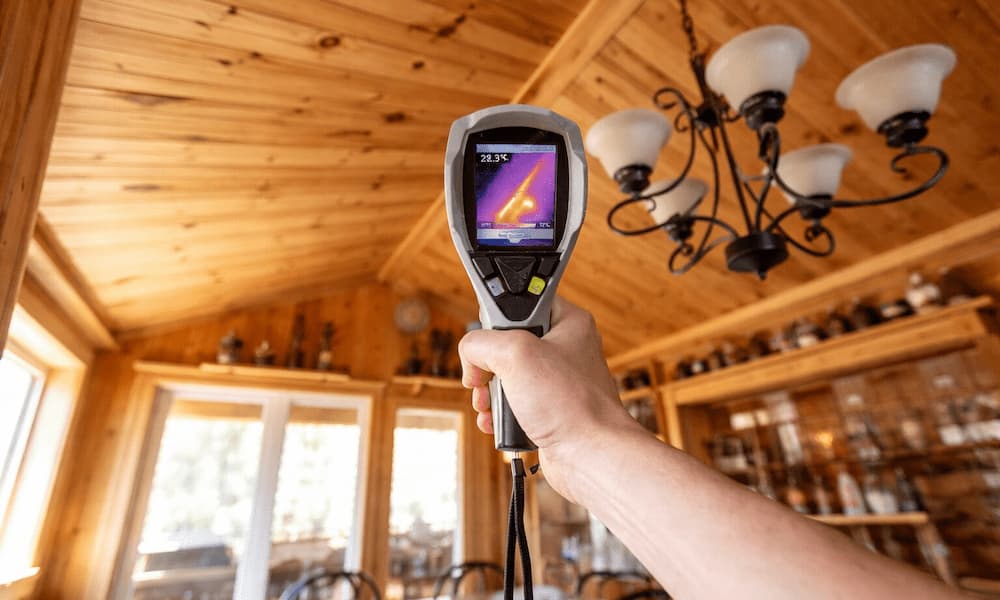
Not all roof problems are visible from the surface. Moisture can build up within the roof system long before you see stains on ceilings or walls. Infrared thermography can help identify areas that may be holding moisture by highlighting temperature differences that sometimes correlate with wet insulation.
That said, infrared results depend heavily on roof type, weather conditions, and timing, and the images still require trained interpretation to separate true moisture concerns from normal heat patterns. ASTM C1153 outlines the minimum procedures and conditions for conducting infrared roof moisture investigations and improving accuracy under the right circumstances.
AI Limitations To Know up Front
Image Quality Still Matters
AI cannot diagnose what it cannot see. Poor lighting, steep shadows, low resolution, or incomplete coverage can lead to missed issues or false flags. Consistent angles and full-slope photo sets make the results more reliable.
Infrared Needs the Right Conditions
Infrared can help identify suspicious moisture patterns, but it is easy to misread. Temperature swings, timing, and roof assembly details affect accuracy. It also takes trained interpretation to separate true moisture concerns from normal heat differences.
Sensors Point To Risk, Not Root Cause
IoT sensors can alert you to moisture or unusual attic conditions, but they do not explain why it is happening. A sensor reading is a clue. You still need an inspection to find the entry point and confirm the right fix.
Installation and Design Issues Still Win
A roof can fail because of workmanship or design problems, even if the materials are fine. AI may help catch early symptoms, but lasting repairs depend on correct flashing, ventilation, drainage, and proper installation details.
A Practical Predictive Maintenance Plan for Homeowners
Step 1: Build a Baseline Record
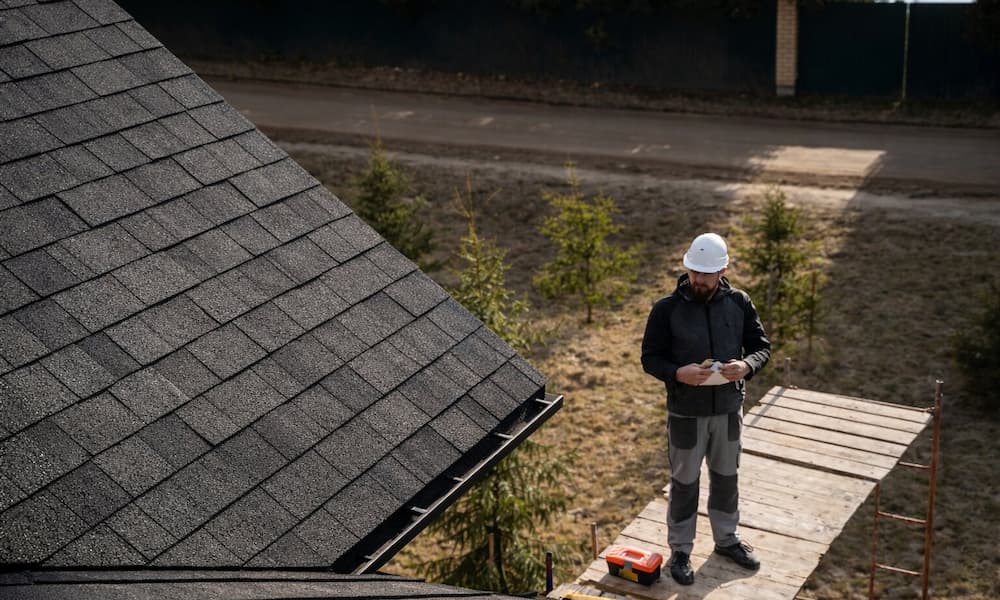
Start with one thorough inspection that documents:
- All slopes, ridges, hips, valleys, and eaves
- All penetrations and flashing
- Gutters and downspouts
- Any attic signs of moisture or ventilation issues
If drone imagery or high-resolution capture is available, use it. Your baseline is the “before” reference that makes trend tracking possible.
Step 2: Reinspect on a Repeatable Schedule
For many Hudson Valley homeowners:
- Spring inspection to identify winter damage
- Fall inspection to remove debris risks before freezing weather
- An additional inspection after major wind, hail, or heavy snow events
Predictive maintenance depends on comparison. Consistent intervals make the comparisons meaningful.
Step 3: Fix Water Entry Risks First
If you want to extend roof lifespan, prioritize defects that can admit water:
- Flashing separation, corrosion, or failed seal points
- Missing or damaged shingles
- Exposed fasteners or lifted edges
- Valley drainage problems and recurring debris traps
This is not about cosmetic perfection. It is about stopping moisture pathways early.
Step 4: Use Trends To Decide Repair vs. Replace
Use your data to answer two questions:
- Is the problem localized, or is it repeating across multiple areas?
- Is the damage stable, or is it spreading year to year?
A roof near the end of its typical service life may still be maintainable if issues are limited and repairs are properly executed. But when defects are widespread or recurrent, repairs can turn into ongoing costs.
Step 5: Keep a Roof Health File
Make sure to store:
- Inspection dates and photo sets
- Repair notes and invoices
- Warranty information
- Storm dates and any observed impacts
This supports resale, insurance documentation, and faster decision-making later.
Questions To Ask Before You Hire an AI-Enabled Roof Inspection
What Data Do You Collect?
Ask exactly what the inspection includes: aerial photos, close-up detail shots, gutter and valley views, attic checks, and any infrared scanning. The more complete the data, the more reliable the findings.
How Are AI Findings Verified?
AI should flag potential issues, then a qualified roofer should confirm what is real and what is not. Ask how they handle false positives and how they document confirmed defects.
Do You Compare Results To Past Inspections?
Trend tracking is the main value of predictive maintenance. If they do not compare today’s images to prior reports, you are missing the “predictive” part.
Will You Provide a Prioritized Action List?
You want clear guidance: what needs attention now, what can wait, and what should be monitored. Ask for a “fix first” list tied to leak risk, not cosmetic appearance.
How Do You Use Infrared, if Offered?
Infrared is a specialized tool and should follow established practices. Ask when they use it, what conditions are required, and how results are interpreted. ASTM C1153 is the relevant standard for infrared roof moisture investigations.
Checklist for Finding the Right Roofing Contractor
Use this quick checklist to vet contractors before you commit. It helps you avoid vague bids and choose someone who can protect your roof long term.
- ✓ Licensed and insured in New York
- ✓ Proven experience with your roof type and local weather conditions
- ✓ Clear inspection process, not just estimates
- ✓ Uses photos or reports to document findings
- ✓ Explains repairs in plain language
- ✓ Prioritizes water-entry risks first
- ✓ Provides written scopes of work
- ✓ Follows manufacturer and industry standards
- ✓ Offers realistic timelines, not pressure tactics
- ✓ Willing to answer questions and explain options
Frequently Asked Questions (FAQs)
Can AI predict the exact day a roof will leak?
No. AI can estimate risk based on patterns and changes over time, but it cannot guarantee a failure date. Use it to prioritize inspections and repairs, not to “schedule” a leak.
Will AI tools work on older roofs with multiple past repairs?
Usually, yes, but results depend on documentation and visibility. Older roofs may have patchwork areas that require more close-up photos and a stronger focus on flashing and transitions.
Do I need home Wi-Fi or a smart home system for predictive maintenance?
Not for most homeowners. Many AI-enabled inspections rely on image analysis and reports, not permanent sensors. Sensors are optional and more common in higher-risk setups.
Can AI spot hail damage better than the naked eye?
It can help by scanning large photo sets for consistent impact patterns, but hail assessment still depends on a trained professional confirming damage type, severity, and whether repair is warranted.
Is predictive maintenance worth it if I plan to sell soon?
Often, yes. A documented roof health record with photos and completed fixes can reduce buyer concerns and help your home inspection go more smoothly, even if you are not staying long-term. It still depends on other factors involving the real estate market.
Get Ahead of Leaks With a Pro Roof Check
Most roof failures do not come from one big event. They come from small, overlooked issues that grow with every storm, freeze, and thaw.
For homeowners in Poughkeepsie, NY, Lyndsey Roofing, LLC provides practical roof inspections and maintenance focused on longevity. Our team can help you identify water-entry risks, prioritize repairs, and build a clear plan to extend performance.
Contact us today to schedule a roofing inspection.