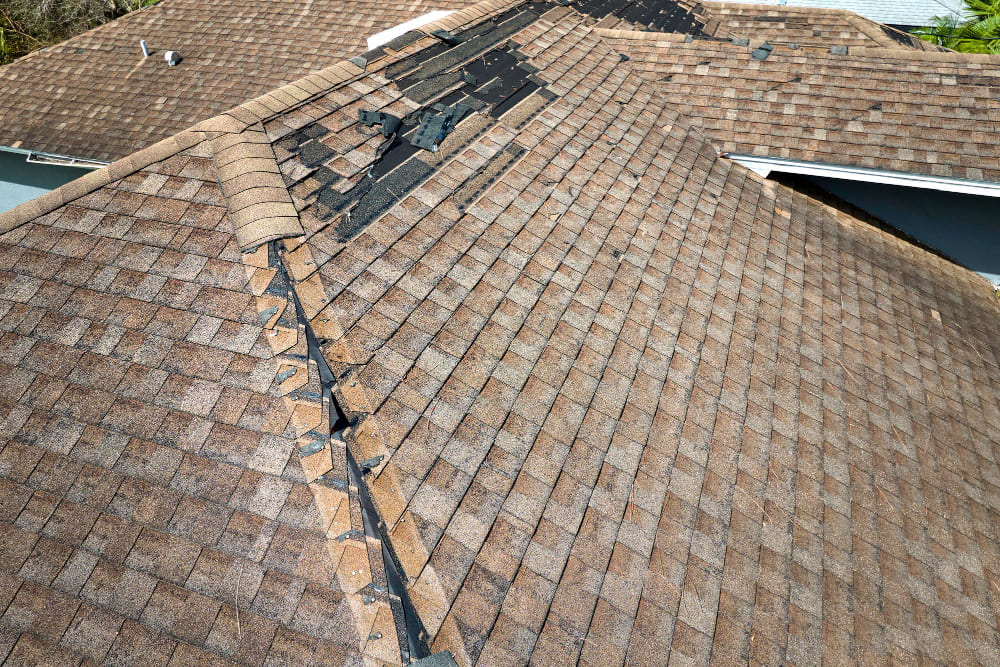
A roof sits in direct sunlight for hours, absorbing heat that radiates into the attic and living space below. Cool roofs use reflective white coatings to bounce back up to 90% of sunlight, so the roof absorbs less solar energy and can run more than 50°F cooler on hot days.
By reflecting more sun and releasing heat more efficiently than a conventional dark roof, this approach can lower indoor temperatures by about 1.2–3.3°C (2.2–5.9°F), making your home easier and often cheaper to keep comfortable.
In This Blog
Key Takeaways for Cool Roofs
- A cool roof stays cooler because it reflects more sunlight and sheds heat more effectively than a conventional dark roof.
- Compare options using Solar Reflectance (SR), Thermal Emittance (TE), and Solar Reflectance Index (SRI), not just color.
- Cool roof coatings are most common on low-slope roofs; steep-slope asphalt shingles are not automatically good coating candidates.
- Benefits depend on climate, insulation, attic ventilation, duct location, and how much you run AC.
- Use trusted rating sources like CRRC and recognized programs like ENERGY STAR when comparing products.
What A Cool Roof Does
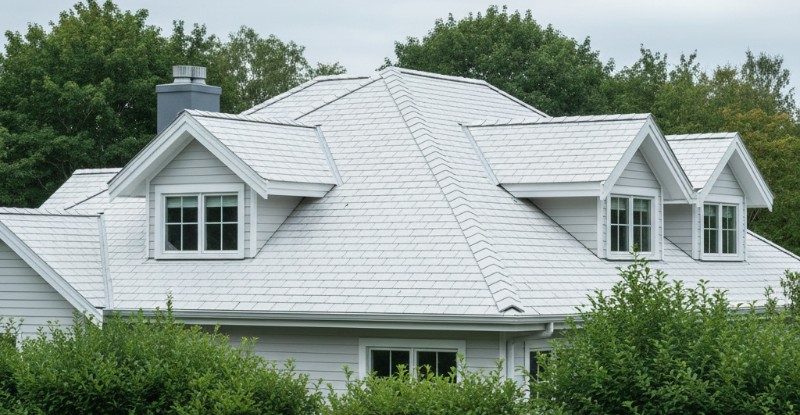
A cool roof works by improving two basic properties:
- Solar Reflectance: how much sunlight the roof reflects away instead of absorbing as heat
- Thermal Emittance: how effectively the roof releases absorbed heat as infrared radiation
Most cool roofs are designed to reflect more sunlight and have high thermal emittance, which helps the roof surface run cooler in the sun.
Why White Coatings Make Such A Big Difference
White roof coatings are effective because they can reflect a large share of incoming solar energy. DOE notes that white roofing products often reflect roughly 60% to 90% of sunlight.
Less absorbed sunlight means a cooler roof surface. A cooler roof surface means less heat pushing into the attic and ceiling assembly. That is the chain reaction you are paying for.
Two key notes to remember:
- “White” is not the same as “cool-rated.” You want measured values, not a color description.
- Dirt and weathering can reduce reflectance over time, so product selection and maintenance matter.
For many homeowners, cool roof coatings are most commonly used on low-slope or flat roof systems. For typical asphalt shingle roofs, coating is not automatically appropriate, and you should treat it as a roof-system decision, not a weekend paint project.
Energy Savings And Cooling Bills: What Is Realistic
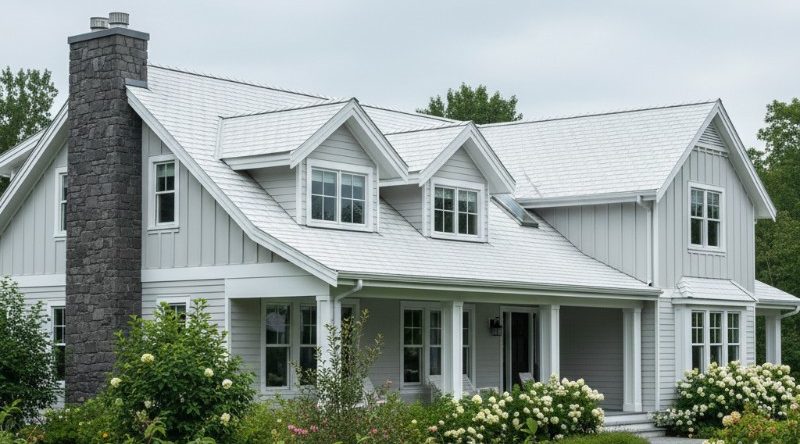
Cool roofs can reduce cooling energy use, but the exact savings depend heavily on your home and climate. For an individual home, the range can be wide because your savings depend on:
- local summer climate and solar exposure
- attic insulation levels
- air sealing and ventilation performance
- whether ducts are in the attic
- your AC efficiency and how you operate it
If your upstairs is uncomfortable and your AC runs hard on hot afternoons, you are more likely to notice a benefit. If your attic is well insulated, tightly sealed, and your ducts are not baking in the attic, your savings may be smaller.
3 Ratings That Matter When Comparing Options
If you want to compare products without guessing, focus on measured surface properties. These numbers tell you how hot a roof is likely to get in direct sun, and they let you compare different materials and colors on an apples-to-apples basis.
These ratings explain why some roofs stay dramatically cooler than others.
Solar Reflectance (SR)
The fraction of sunlight a roof reflects away, reported on a 0 to 1 scale (or as a percentage). Higher SR means the roof absorbs less solar energy, so the surface temperature rises less in full sun.
Compare SR between options in the same roof category. Also check initial versus aged values, because reflectance can drop as the roof weathers and gets dirty.
Thermal Emittance (TE)
A measure of how effectively a roof surface releases absorbed heat as infrared radiation (also on a 0 to 1 scale). Higher TE helps a roof shed heat faster.
Treat TE as the companion metric to SR. Many programs and guidance documents describe an “ideal” cool roof as having both high SR and high TE.
Solar Reflectance Index (SRI)
A calculated score that combines SR and TE to estimate how hot a surface gets in standard sun and wind conditions (commonly calculated per ASTM E1980).
Use SRI to compare “coolness” across materials and colors when you do not want to weigh SR and TE separately. Also pay attention to aged SRI when available, since many requirements and rating systems emphasize aged performance.
Where To Find Ratings You Can Trust
Cool Roof Rating Council (CRRC)
CRRC is a widely used third-party rating program that tests and publishes initial and aged solar reflectance and thermal emittance for roofing products. Their public directory shows SR, TE, and SRI values (often including “initial” and “3-year aged” results).
ENERGY STAR
ENERGY STAR’s consumer guidance explains cool roofs in practical terms and reinforces the fundamentals: an “ideal” cool roof has both high solar reflectance and high thermal emittance, and modern materials and coatings can achieve strong performance beyond just bright white.
Cool Roof Coatings Versus Cool Roofing Materials
Homeowners usually land in one of two paths, and the right choice depends on your roof type, timing, and long-term goals.
Option 1: Choose A Cool-Rated Roofing Product During Replacement
If you are already replacing your roof, selecting a cool-rated material is often the simplest and most durable approach. Many common roofing systems now come in cool-rated versions, including:
- Asphalt shingles with reflective granules
- Metal roofing with factory-applied reflective finishes
- Tile products designed to reflect more solar energy
- Low-slope membranes engineered for high reflectance
Why this option is appealing:
- Performance is built into the roofing system, not added later
- Ratings are easier to verify through CRRC or ENERGY STAR listings
- Installation happens as part of the normal replacement process
For many homeowners, this is the most straightforward time to make a cool-roof upgrade because you are already investing in a new roof.
Option 2: Apply A Cool Roof Coating
Cool roof coatings are most common on low-slope or flat roofs, where coatings are widely used for both reflectivity and roof maintenance.
Coatings are often chosen because they can:
- Increase solar reflectance without a full tear-off
- Help reduce roof surface temperatures on flat roof assemblies
- Support roof life-extension when applied under the right conditions
This approach works best when:
- The existing roof is in good condition and compatible with coating systems
- The roof design is low-slope, where coatings are standard practice
- The goal is improved summer performance with a reflective surface layer
For typical steep-slope shingle roofs, coatings are not automatically appropriate, so it is important to confirm roof-type compatibility before considering this route.
How To Know If Your House Is A Strong Candidate
A cool roof is usually a strong fit if several of these are true:
- You run AC regularly in summer
- Your top floor runs warm even with AC
- Your roof gets long, unobstructed sun exposure
- You have ductwork in the attic
- Your attic insulation is modest or inconsistent
- You are already planning a roof replacement
A cool roof may be a weaker fit if:
- You rarely cool your home and primarily heat it
- You have excellent attic insulation and air sealing and you already stay comfortable
- Your roof type is not compatible with coatings and you are not replacing the roof soon
What To Expect If You Are Replacing Your Roof
If you are already replacing the roof, cool roofing choices can be relatively straightforward:
- Select a cool-rated product category that fits your roof type.
- Compare rated values from third-party directories.
- Choose colors and finishes that match your home and neighborhood while still meeting performance goals.
Selecting The Right Roofing Contractor For A Cool Roof
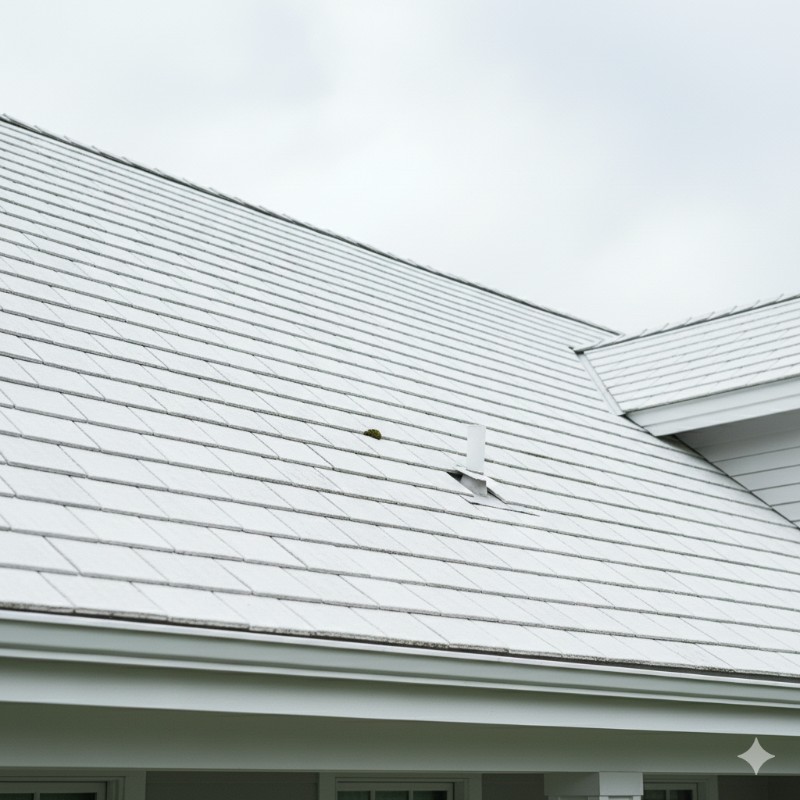
Cool roofing works best when the product and installation are handled correctly. Choosing the right contractor in Poughkeepsie, NY, helps ensure you get real performance, proper ventilation, and a roof system that lasts.
Look For Experience With Cool-Rated Systems
Not every roofer works regularly with cool-rated materials or reflective systems. Ask whether the contractor has installed:
- CRRC-rated roofing products
- ENERGY STAR qualified roof options
- Reflective membranes or approved coating systems
Ask About Ratings, Not Marketing Claims
A reliable contractor will provide measured values for:
- Solar reflectance
- Thermal emittance
- Solar Reflectance Index (SRI)
Confirm Roof System Compatibility
Cool roof performance depends on more than surface color. A good contractor will evaluate:
- Roof slope and drainage
- Attic insulation and ventilation
- Moisture risks and condensation control
- Whether coatings are appropriate for your roof type
Get Clear Scope And Warranty Details
Before signing, make sure the estimate includes:
- Full tear-off vs overlay details
- Underlayment and ventilation upgrades
- Manufacturer warranty coverage
- Workmanship warranty terms
Frequently Asked Questions (FAQs)
What is a cool roof in simple terms?
A cool roof is a roof system designed to reflect more sunlight and release heat more efficiently, which helps the roof surface stay cooler in direct sun and reduces heat entering the home.
Do white roof coatings work on shingle roofs?
Not always. Reflective coatings are commonly used on low-slope roof systems, but coating steep-slope asphalt shingles can create problems and may not be recommended depending on the shingle type and manufacturer requirements. It is best to confirm roof-type compatibility before considering a coating approach.
How much cooler can a cool roof be?
Under the same summer sun, conventional roofs can reach around 150°F or more, while reflective roofs can stay more than 50°F cooler. Actual results vary by product, sun exposure, and roof assembly.
What ratings should I look for when comparing cool roof options?
Focus on solar reflectance (SR), thermal emittance (TE), and solar reflectance index (SRI). These measured values help you compare performance across materials and colors without guessing.
Are cool roofs worth it in cooler or mixed climates?
They can be, especially if summer comfort and cooling costs are major concerns, but there can be a winter heating trade-off. Your insulation, attic setup, and local climate strongly influence the net benefit.
Ready for the Next Step?
A good roofing contractor should be able to explain which cool roof approach fits your roof system and climate, and which options are realistic for your budget.
If you are considering cool roofing in Poughkeepsie, NY, and want guidance based on measured performance and practical roof-system compatibility, Lyndsey Roofing, LLC can help. We can evaluate whether a cool-rated roofing product or a coating approach makes sense for your home.