What’s In This Guide
- Why Roof Condition Matters When Solar Panels Are Already Installed
- Mapping the Roles: Roofing Crew, Solar Installer, Electrician, and Homeowner
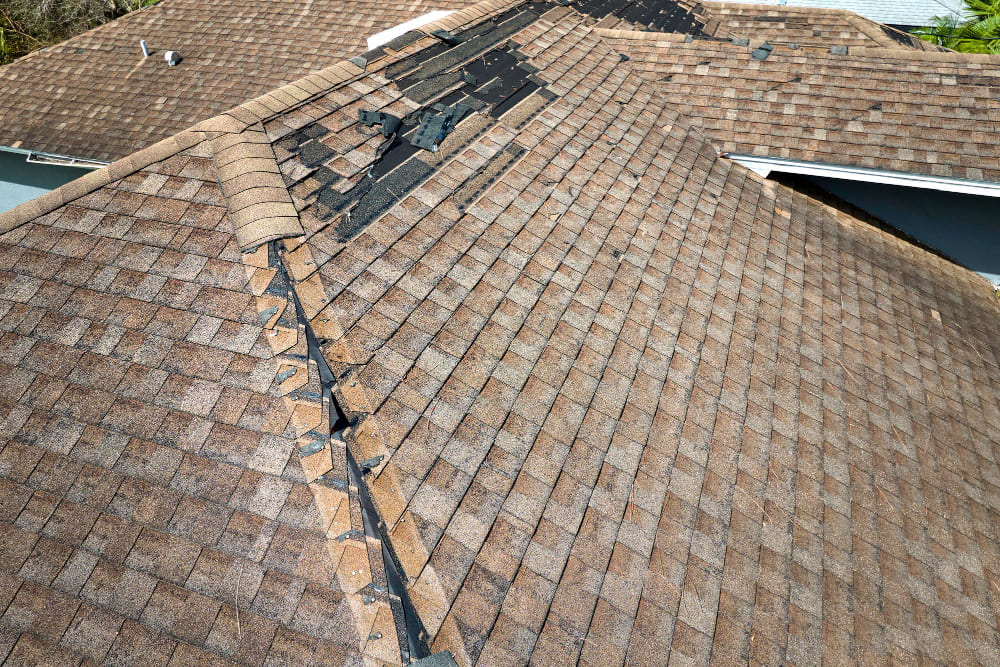
- Warning Signs a Roof Replacement Is Overdue, Even With Solar Panels Installed
- How Solar Removal and Roof Replacement Work Together: Step by Step
- What Affects Timing, Access, and Cost When Solar Panels Are Involved
- When to Call a Professional Roofing Contractor
- Frequently Asked Questions
- Ready to Plan a Roof Replacement Around Your Existing Solar Panels?
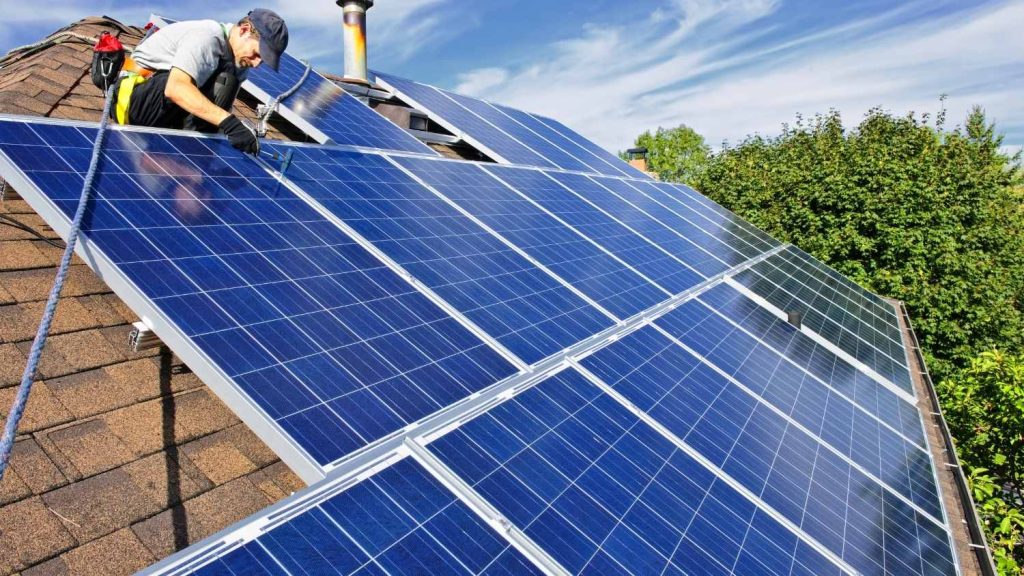
A qualified solar installer typically manages system shutdown, disconnection, and PV system removal, working with a licensed electrician when required for the electrical work. The roofing contractor handles decking, underlayment, and shingle installation underneath. The trades coordinate scheduling so the roof stays exposed for the shortest time possible.
Homeowners searching for roofers near them who can manage this process usually need a contractor who has worked alongside solar companies before. Roof-mounted solar systems are wired into the home's electrical panel and, in many cases, into the utility grid. Removing panels involves shutting down that connection safely, which falls outside a standard roofing crew's scope of work.
Quick Facts
- Up to three separate trades typically coordinate a solar-panel roof job: a roofing crew, a solar installer, and a licensed electrician when required.
- Panel removal happens before tear-off to protect the array and keep the roof deck fully accessible.
- Removing and reinstalling panels can affect warranty coverage depending on the manufacturer, installer, and terms of the applicable equipment and workmanship warranties.
- A roof age of 15 to 20 years or older is a reason to evaluate the roof’s remaining service life before planning removal and reinstallation of an existing solar system.
- A qualified roofing contractor should inspect the roof before any panel removal is scheduled.
Why Roof Condition Matters When Solar Panels Are Already Installed
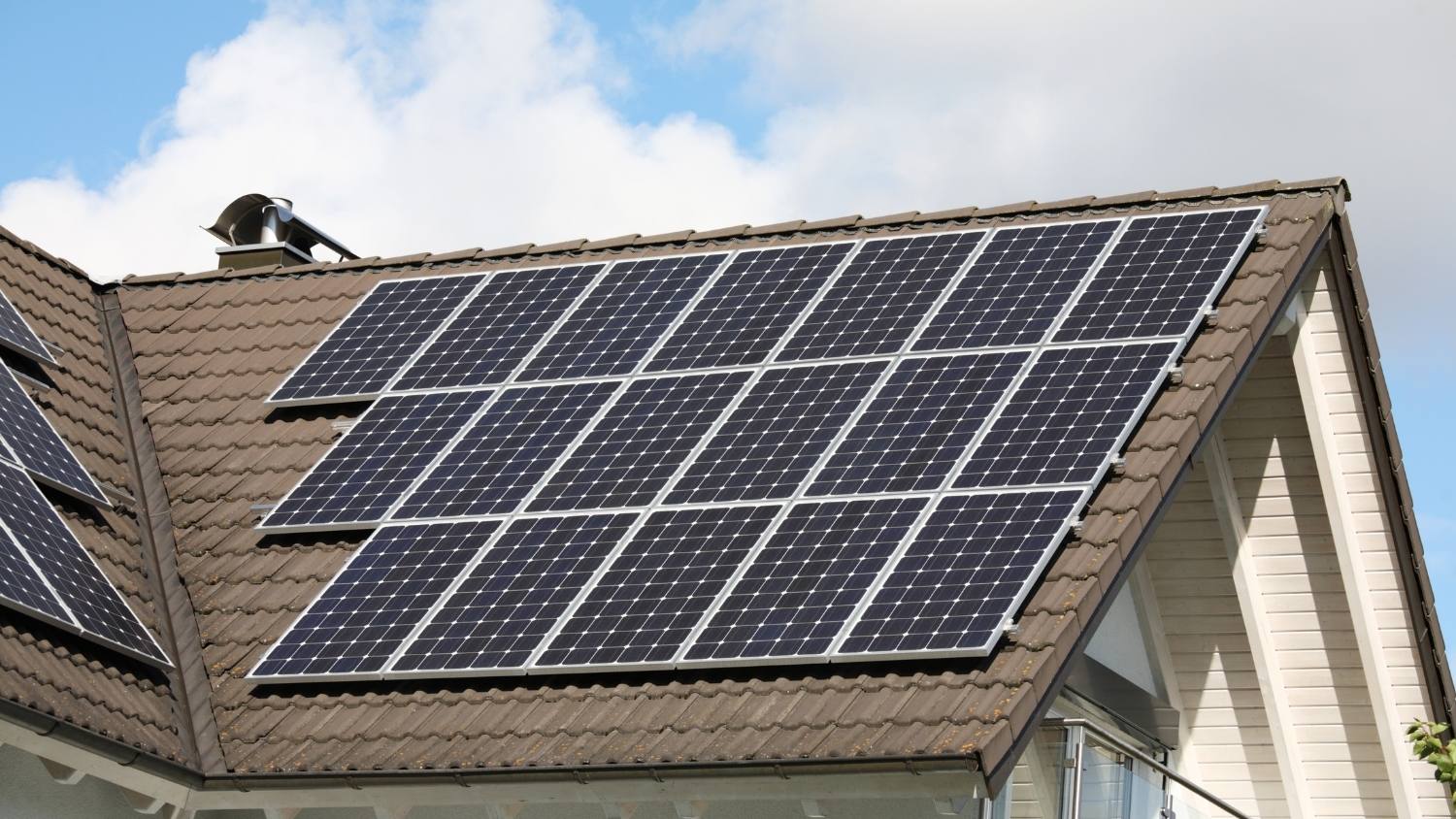
An aging roof underneath an existing solar array puts the panels, the mounting hardware, and the home's interior at risk if it isn't addressed. Solar panels don't repair or protect a failing roof deck; they sit on top of it.
According to EnergySage's guidance on roof replacement with solar panels, asphalt shingle roofs typically last around 30 years, while most solar panel systems are built to perform for 25 to 30 years. That overlap means a roof installed even a decade before the solar system may not outlast the panels sitting on it.
Deferring roof work under an existing solar array can compound problems:
- Water intrusion around mounting brackets can go unnoticed longer because the panels partially block the visual inspection of the shingle field.
- Granule loss and shingle deterioration under panel rows are harder to spot from the ground.
- Flashing failures at penetrations created for conduit and mounting hardware add extra leak points beyond standard chimney and vent flashing.
A roofing contractor evaluating a home with existing solar should check decking condition, flashing at every penetration, and attic ventilation.
Mapping the Roles: Roofing Crew, Solar Installer, Electrician, and Homeowner
Coordinating a re-roof around an existing solar system works best when every party understands their specific responsibility before the schedule is set. Miscommunication between trades can cause scheduling conflicts and project delays.
|
Party |
Primary Responsibility |
|
Roofing contractor |
Inspects the roof deck, tears off old roofing, repairs decking, installs underlayment, ice barrier, flashing, and new shingles |
|
Solar installer or electrician |
Shuts down the system, disconnects panels from the inverter and service panel, removes panels and mounting hardware, stores equipment |
|
Solar installer or electrician |
Reinstalls panels and mounting hardware, reconnects wiring, and performs solar reinstallation testing to recommission the system after roofing is complete |
|
Homeowner |
Confirms scheduling between both contractors, clears attic and interior access points, and keeps utility and warranty documentation on hand |
Some roofing contractors have in-house solar capabilities or work with qualified solar partners to manage panel removal and reinstallation. Others coordinate directly with the homeowner's original solar installer, which may already have the system's design documentation and may provide workmanship warranty coverage. Either approach can work, provided the roofing timeline and the solar timeline are scheduled together rather than treated as two unrelated projects.
Warning Signs a Roof Replacement Is Overdue, Even With Solar Panels Installed
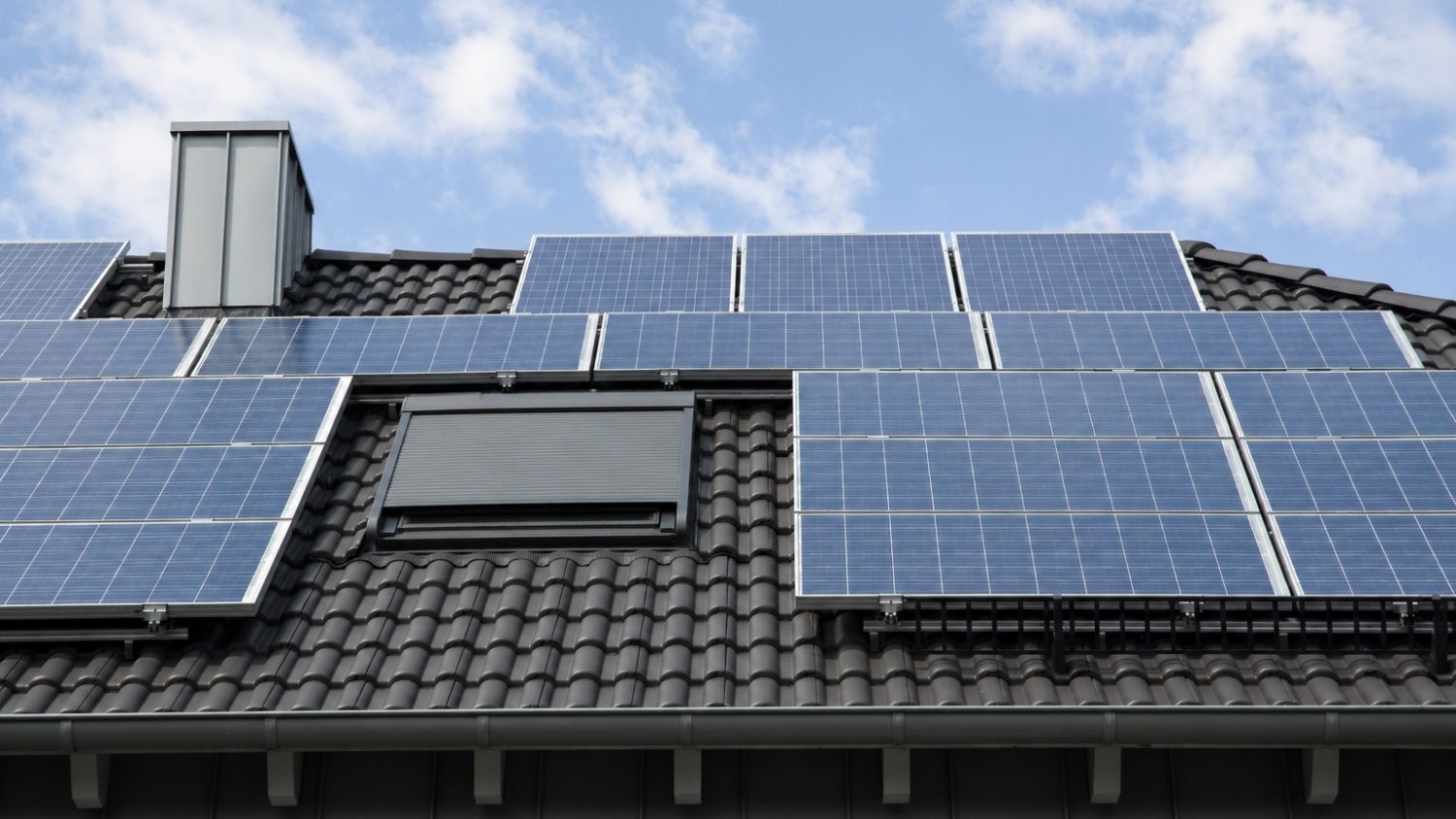
A roof carrying solar panels can hide the usual visual warning signs, so homeowners should watch for a slightly different set of indicators. These signs often point to a roof that’s approaching the end of its service life regardless of the array on top of it.
- Shingle curling or cupping visible at the edges of panel rows, not just open roof areas
- Granule buildup in gutters, especially near downspouts closest to the solar array
- Ceiling stains or attic moisture appearing beneath or near panel mounting points
- Soft or spongy decking felt underfoot during a professional roof walk
- A roof age of 20 years or more, which warrants closer evaluation of the shingles’ condition and remaining service life
Any of these signs warrants a full roof inspection, including the sections beneath the panels, before scheduling a replacement date.
How Solar Removal and Roof Replacement Work Together: Step by Step
A coordinated re-roof with existing solar follows a defined sequence. Skipping or reordering required steps can increase the risk of equipment damage, scheduling problems, or warranty disputes.
Step 1: System Shutdown and Disconnection
The solar installer or a licensed electrician powers down the inverter and disconnects the array from the home’s electrical system before any physical work begins. This step should always happen before a single panel is unbolted.
Step 2: Panel and Mounting Hardware Removal
Panels are removed from their racking system in sequence. Conduit, wiring, mounting brackets, and other components that interfere with the roofing work are removed, disconnected, or secured as needed so the roofing crew can access the roof surface for inspection and replacement.
Step 3: Secure Storage During Tear-Off
Panels are labeled, packaged, and stored on-site or off-site for the duration of the roofing work. Storage arrangements should be confirmed in writing before removal day, since panels sitting exposed or improperly stacked risk cracking or micro-fractures.
Step 4: Roof Tear-Off, Decking Repair, and New Roofing Installation
With the roof fully exposed, the roofing contractor removes old shingles, inspects and repairs decking as needed, and installs new underlayment, ice barrier, flashing, and shingles or membrane. This is the same process used on any full roof replacement, just without panels in the way.
Step 5: Panel Reinstallation and Mounting
Once the new roofing system is complete, the solar installer installs or reinstalls the required mounting hardware and flashing, then remounts the panels according to the approved system layout. The final placement may match the previous configuration or may be adjusted based on the mounting system, roof conditions, and system requirements.
Step 6: Recommissioning and Utility Reconnection
The system is reconnected to the home’s electrical panel, tested for proper output, and reactivated. Depending on the utility provider, net metering and grid interconnection may need to be re-verified before the system is fully back online.
READ MORE: What Happens During Solar Shingle Installation? Insights From a Local Solar Company Near Me
What Affects Timing, Access, and Cost When Solar Panels Are Involved
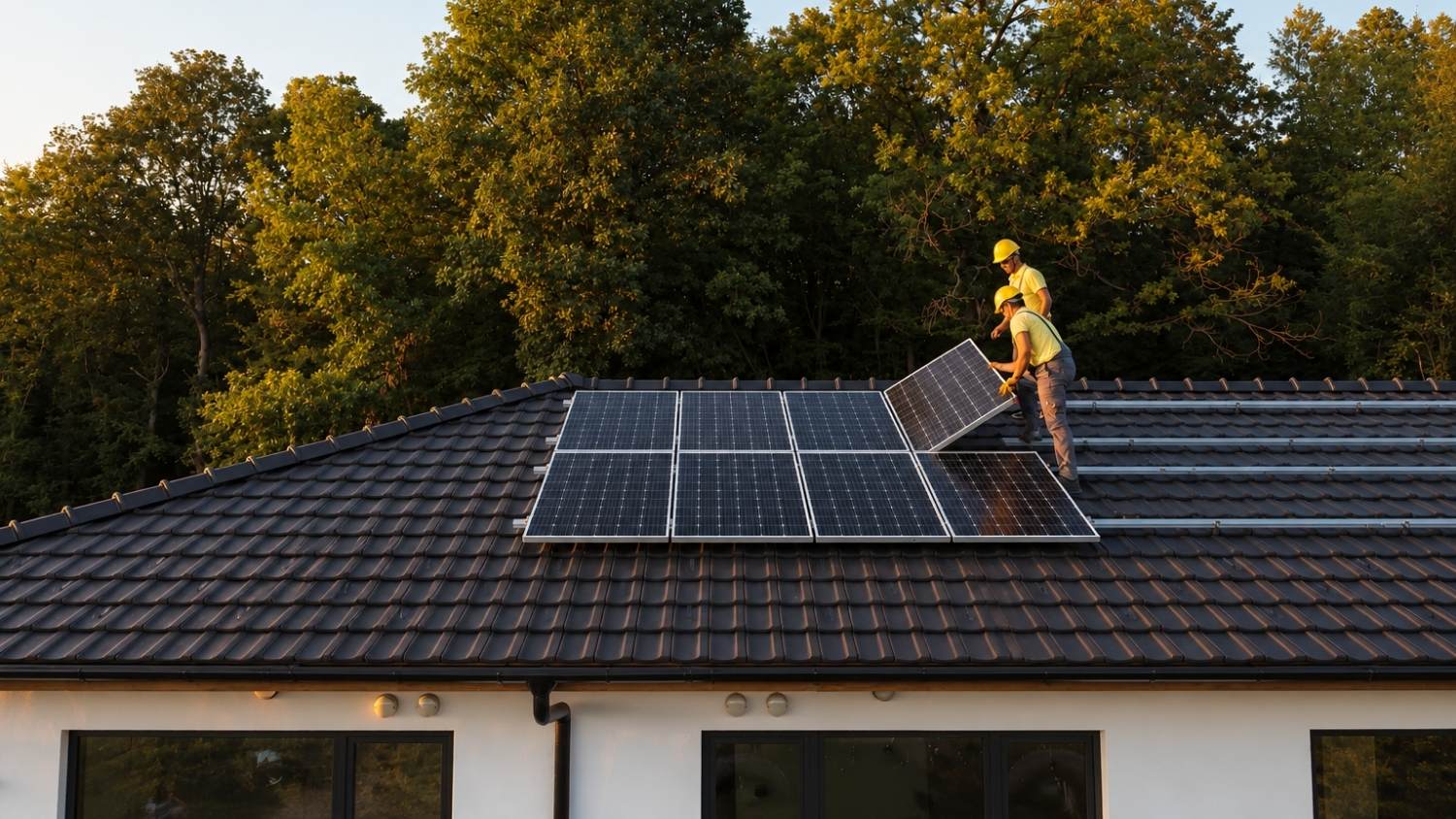
Cost and timing for a solar-panel roof replacement depend on several project-specific factors rather than a fixed rate. Every home's system size, roof complexity, and site conditions shape the final scope of work differently.
Factors that typically influence the estimate include:
- System size and panel count, since more panels mean more disconnection, removal, and reinstallation labor
- Mounting hardware type, as some racking systems are more labor-intensive to remove and reinstall than others
- Storage logistics, including whether panels stay on-site or require off-site transport
- Roof complexity, such as pitch, valleys, dormers, and the number of penetrations around the array
- Scheduling coordination between the roofing crew and the solar installer or electrician
- Weather windows, since asphalt shingle sealant strips need adequate temperatures to activate properly
- Permit and utility interconnection timing, which can vary by municipality and utility provider
A written, itemized estimate from a roofing contractor familiar with solar-integrated projects gives homeowners a clearer picture of what their specific project involves before work begins.
When to Call a Professional Roofing Contractor
A qualified roofing contractor should be brought in when roof age, visible wear, or planned solar work raises questions about the condition of the roof deck or existing roofing system. Waiting until a leak appears can mean dealing with both roof damage and solar equipment risk at the same time.
Panel removal and roof-deck work both involve fall hazards and, in the case of solar, live electrical components. The Occupational Safety and Health Administration outlines fall protection requirements for residential construction, which apply to roofing work regardless of whether solar equipment is present.
Homeowners should also confirm that any solar installer or electrician handling panel removal holds appropriate credentials. Certification through organizations such as the North American Board of Certified Energy Practitioners can demonstrate PV training, experience, knowledge, and competency, though applicable state and local licensing requirements still apply separately.
Frequently Asked Questions
Will removing solar panels void my warranty?
Not automatically, but warranty terms vary by manufacturer and installer. Homeowners should review their equipment and workmanship warranties before scheduling removal to confirm who is authorized to disconnect, remove, and reinstall the system.
How long does a roof replacement take with solar reinstallation involved?
Solar equipment adds scheduling steps before and after the roofing work, including shutdown, removal, storage, reinstallation, and recommissioning. The total timeline depends on panel count, roof complexity, weather, and coordination between the roofing and solar contractors.
Can the same solar mounting hardware be reused after a roof replacement?
That depends on the condition and design of the existing racking and mounting components, along with the solar manufacturer's requirements. The installer should evaluate the hardware before reinstallation rather than assume every component can be reused.
Should solar panels be reinstalled in the exact same locations?
Not necessarily. A roof replacement creates an opportunity to review panel placement, mounting points, shading, and roof penetrations. The solar installer should determine whether the existing layout still makes sense for the new roofing system.
What should homeowners ask their solar company before scheduling roof work?
Ask who is authorized to remove and reinstall the panels, whether the work affects warranty coverage, how the equipment will be stored, the expected cost of solar removal for roof replacement, and whether recommissioning or utility approval will be required afterward.
Ready to Plan a Roof Replacement Around Your Existing Solar Panels?
Coordinating a roof replacement around an active solar array takes a contractor who understands both the roofing side and the sequencing that solar equipment requires. Lyndsey Roofing, LLC is a GAF Master Elite and GAF Energy Timberline Solar shingle certified contractor based in Poughkeepsie, NY, serving homeowners throughout Dutchess, Orange, and Putnam counties, as well as eastern Ulster County.
Contact us today to discuss your project and get a professional estimate.