What’s In This Guide
- Why Do So Many Homeowners Regret Signing a Roofing Contract Too Fast?
- What Should a Legitimate Roofing Estimate Actually Include?
- What Are the Most Important Questions to Ask a Roof Contractor Near Me Before You Sign?
- How Do You Compare Multiple Roofing Estimates Without Getting Confused?
- What Are the Biggest Contractor Red Flags on a Roofing Estimate?
- Frequently Asked Questions
- Get Trusted Roofing Guidance Before You Sign
You finally get the estimate. The contractor seemed professional, the price looks reasonable, and part of you just wants to get the project moving. But something feels off, and you are not sure what to ask, or whether asking anything would come across as difficult.
Most homeowners sign without asking a single question. Not because they are careless, but because no one told them what to look for.
A roofing project is one of the larger investments a homeowner makes. The estimate in front of you determines the materials, the warranty, and the contractor standing behind the work for years to come. Getting it wrong is costly.
Here are the questions every homeowner should ask before signing a roofing estimate.
Quick Facts
- A roofing estimate must list materials by brand, itemized costs, permits, and warranty terms in writing
- Verify insurance and licensing before signing; New York requires both
- Collect three written estimates and compare scope, not just price
- Walk away from upfront-payment demands and same-day signature pressure
Why Do So Many Homeowners Regret Signing a Roofing Contract Too Fast?
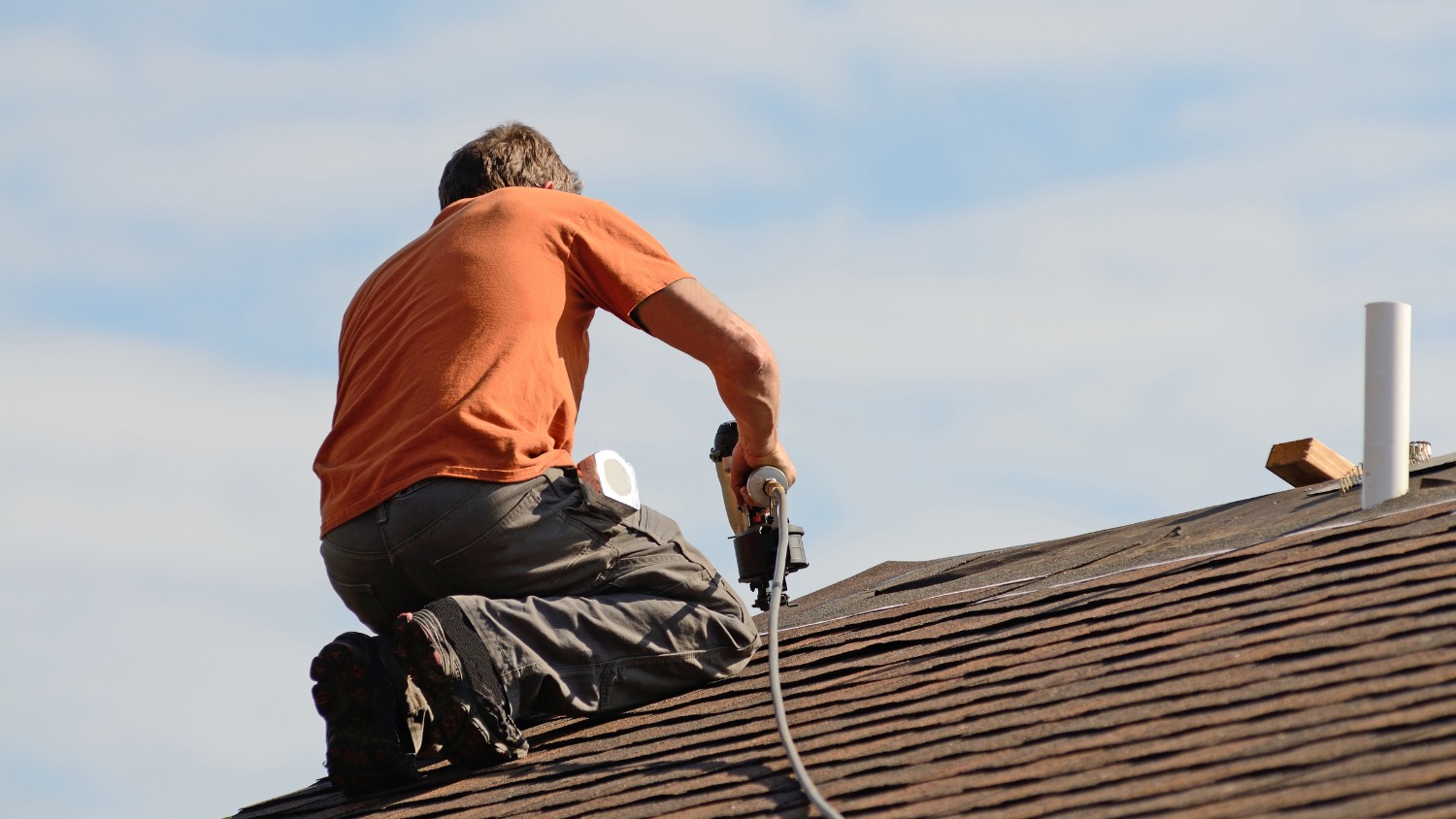
Roofing contract regrets almost always trace back to pressure, not price. Contractors who push for same-day signatures often omit material specs, subcontract labor without disclosure, or skip permits entirely. The result is voided warranties, unresolved liability, and no legal recourse once the check clears.
Common consequences of a rushed signature:
- Missing or vague material specifications are locked into the contract
- No written timeline or change order process defined
- Verbal-only warranty promises with no documentation
- Full upfront payment collected before any work begins
What Should a Legitimate Roofing Estimate Actually Include?
A legitimate roofing estimate is a written document, not a ballpark number. It specifies every material by brand and grade, breaks out labor and disposal costs separately, defines who pulls permits, details warranty coverage, and outlines the full payment schedule. Any estimate missing these elements is incomplete.
|
Complete Estimate |
Vague Quote |
|
Materials listed by brand, product line, and grade |
“Architectural shingles” with no brand specified |
|
Itemized labor and disposal fees |
Single lump-sum total only |
|
Permit responsibility is clearly stated |
No mention of permits |
|
Manufacturer and labor warranty terms in writing |
“We stand behind our work.” |
|
Written payment schedule with milestone triggers |
“Half down, half when done” |
|
Project start date and timeline |
“We’ll get to it shortly.” |
Before signing, compare every bid line by line. Request a written roof replacement estimate that details all materials and roof warranty terms, so you have a complete benchmark for comparison.
What Are the Most Important Questions to Ask a Roof Contractor Near Me Before You Sign?
Ask every contractor these seven questions before agreeing to anything. The quality of each answer reveals accountability, credentials, and professionalism more clearly than any sales pitch.
Is the Contractor Licensed and Insured to Work in New York State?
New York State requires roofing contractors to carry general liability insurance and workers’ compensation coverage before performing any residential work. Ask for a certificate of insurance naming you as the certificate holder. Verbal confirmation is not sufficient documentation.
If a worker is injured on your property and the contractor carries no workers’ compensation coverage, the homeowner can face direct financial liability under New York Workers’ Compensation Law.
Does the Contractor Hold Any Manufacturer Certifications?
Manufacturer certifications are not marketing distinctions. They represent verified training, installation accountability, and warranty eligibility. According to GAF, fewer than 2% of U.S. roofing contractors hold Master Elite® status.
Uncertified installers cannot qualify homeowners for manufacturer system warranties, regardless of the materials used.
What Warranties Cover This Job and What Do They Actually Include?
Roofing projects may include separate warranty protections for materials and workmanship. Coverage terms, transferability, exclusions, and repair requirements can vary depending on the roofing system, manufacturer, contractor, and installation details.
Before work begins, ask the roof contractor near you to explain what warranties apply, what each one covers, what could void coverage, and how future repairs or ownership changes may affect protection.
Who Will Actually Be on Your Roof During the Project?
Ask roofing companies near you whether the crew is employed in-house or subcontracted. Undisclosed subcontracting is the issue, not subcontracting itself. When accountability shifts to an unknown third party, insurance coverage, installation quality, and post-job liability all become harder to verify.
How Does the Contractor Handle Unexpected Damage Found Mid-Job?
Any roof contractor nearby with real field experience in the Hudson Valley has found rotted decking, failed underlayment, or water-damaged sheathing once tear-off begins. A professional answer describes a formal written change order process.
A vague answer describes a verbal conversation after the fact. Require written change orders for every scope addition before the additional work begins. No exceptions.
What Does the Payment Schedule Look Like?
Standard industry practice involves three stages: a deposit at contract signing, a progress payment tied to a defined project milestone, and a final payment upon verified completion. Any contractor requesting full payment upfront before work starts is a documented contractor red flag, not a standard practice.
Can the Contractor Provide References from Local Hudson Valley Projects?
Local references confirm two things: regional climate experience and community accountability. A contractor with completed projects in Dutchess, Putnam, or Orange County understands how Northeast winters load and stress roofing systems. Ask references specifically how the contractor handled problems mid-project, not just whether the finished roof looked acceptable.
How Do You Compare Multiple Roofing Estimates Without Getting Confused?
Get at least three written estimates from roofing companies near you. Compare them by scope and credentials first, and price second. A lower number on a vague estimate is not a lower cost once missing line items get added back in.
-
- Standardize scope across all bids. Confirm every estimate covers the same tear-off, materials, disposal, and permit responsibilities before comparing totals.
- Verify material specs by brand and grade. “Architectural shingles” from three different contractors may represent three different product lines with different warranty tiers.
- Confirm roof warranty eligibility. Verify that each contractor’s certification level qualifies the project for the manufacturer’s warranty listed in the estimate.
- Review payment terms side by side. Compare deposit amounts, milestone triggers, and final payment conditions across all three bids.
- Cross-reference credentials independently. Request insurance certificates directly and verify license status through New York State rather than accepting contractor-provided copies alone.
- Ask every contractor the same checklist questions. Inconsistent or evasive answers to the same set of questions are meaningful data when comparing bids.
What Are the Biggest Contractor Red Flags on a Roofing Estimate?
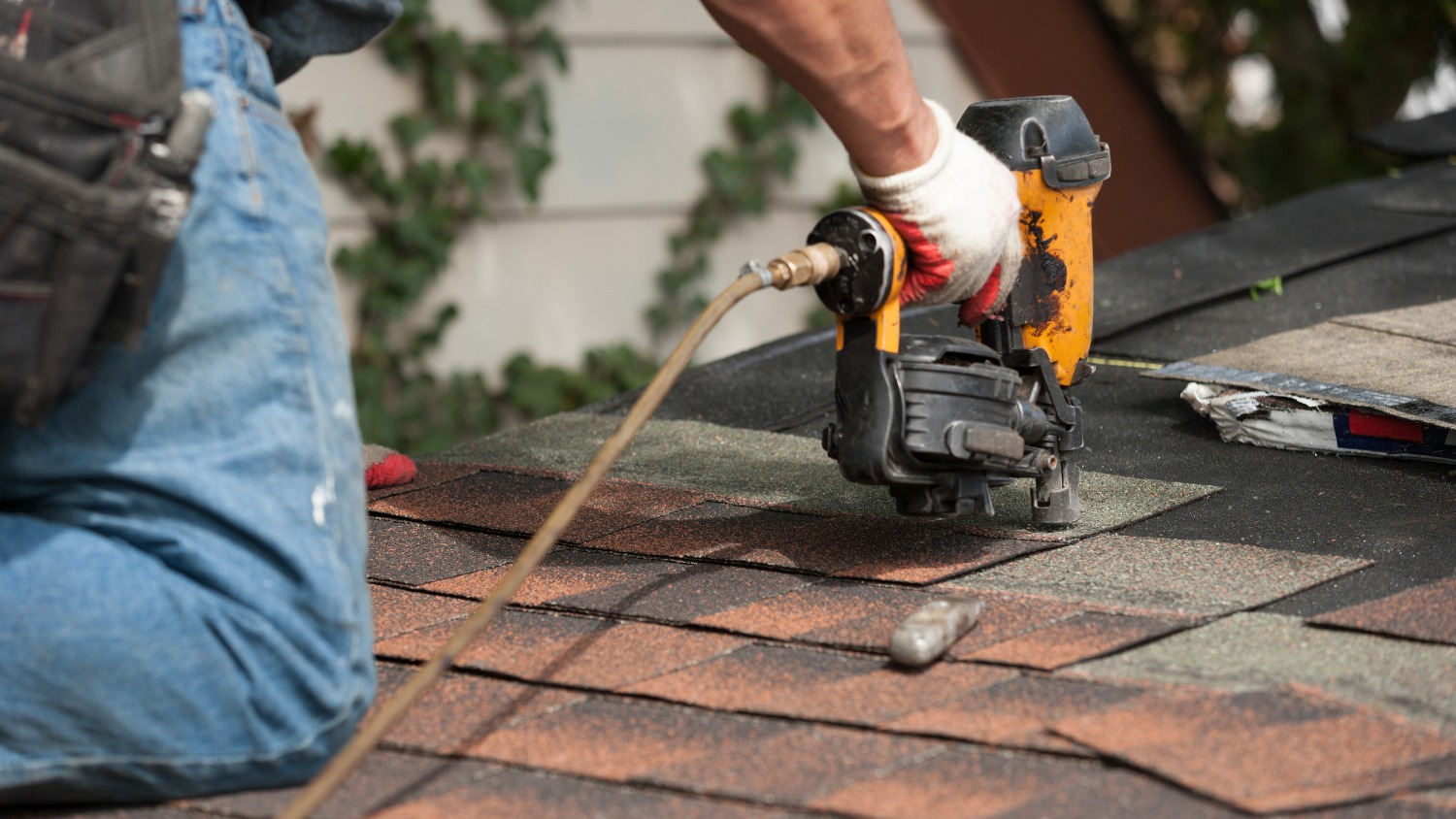
Red flags on a roofing estimate are specific patterns, not general impressions. Each one signals a gap in credentials, accountability, or transparency.
No Written Estimate Provided
Any contractor unwilling to put scope and price in writing is not a viable candidate. A verbal number is not a contract. Without a written estimate, there is nothing to hold a contractor to if costs suddenly increase or the agreed scope shrinks mid-project.
Same-Day Signature Pressure
Same-day signature pressure is one of the most common contractor red flags homeowners encounter. Legitimate contractors do not expire estimates within 24 hours to manufacture urgency. High-pressure closing tactics are a sales strategy, not a reflection of material costs. A contractor confident in their work gives homeowners a reasonable time to review, compare estimates, and make an informed decision.
Vague Material Specifications
“Quality shingles” without a brand, product line, or grade is not a specification. It is a placeholder that gives the contractor room to swap in cheaper materials after signing. Every line item on an estimate should name the exact product being installed.
Full Upfront Payment Required
Standard industry practice involves a staged payment structure tied to project milestones. A contractor demanding full payment before work begins is one of the clearest contractor red flags, giving them little financial incentive to complete the job on time, on scope, or at all.
No Verifiable Insurance Certificate
A verbal confirmation of coverage is not legal documentation. Ask for a certificate of insurance naming you as the certificate holder. If a contractor hesitates or cannot produce one quickly, the coverage may not exist.
No Permanent Local Business Address
Out-of-area contractors frequently operate without an established local presence. Once the job closes, reaching them for roof warranty claims, callbacks, or disputes becomes difficult. A contractor without a verifiable local address is one weather event away from being unreachable.
Unsolicited Door-Knocking After a Storm
Storm-chasing contractors target neighborhoods immediately after significant weather events. The pitch feels timely, but the urgency is manufactured. A reputable local contractor does not need to knock on doors to generate work.
➤ ALSO READ: How to Estimate Your Roof Replacement Cost: Insights From the Best Roofing Companies Near Me
Frequently Asked Questions
How many estimates should I get before hiring roofing companies near me?
Collect a minimum of three written estimates. Three bids generate enough data to identify outliers, compare scope consistently, and make an informed decision without relying on any single contractor’s framing.
What is the difference between a roofing quote and a roofing estimate?
A quote is a fixed price for a defined scope. An estimate is an approximation subject to adjustment based on conditions found during the job. Ask which one you are receiving and what specific conditions trigger a price change.
What voids a roof warranty?
Common warranty-voiding conditions include installation by an uncertified contractor, unauthorized repairs made by a third party, and failure to maintain the roof per manufacturer guidelines. Read the full warranty document before signing the estimate, not after the job is complete.
How long should a roofing estimate be valid?
Most roofing estimates are valid for 30 to 90 days. Material costs fluctuate, so confirm the validity window in writing before comparing bids across several weeks.
Is it normal for roofing estimates to vary significantly between contractors?
Yes. Wide price gaps between estimates usually reflect differences in material grade, warranty tier, crew type, or scope coverage rather than one contractor simply being cheaper. A significantly lower bid almost always means something was left out. Compare line items, not totals.
Get Trusted Roofing Guidance Before You Sign
Choosing a roofing contractor is a major decision, and the estimate you receive can affect everything from material quality to warranty protection. Understanding what should be included in a roofing proposal helps you avoid costly surprises and gives you confidence that your investment is protected.
At Lyndsey Roofing, LLC, we believe homeowners deserve clear answers, transparent pricing, and professional guidance throughout the entire process. Our team proudly serves Poughkeepsie, NY, providing detailed roofing estimates, quality workmanship, and dependable service you can trust.
Contact Lyndsey Roofing, LLC today to schedule your roofing consultation in Poughkeepsie, NY.