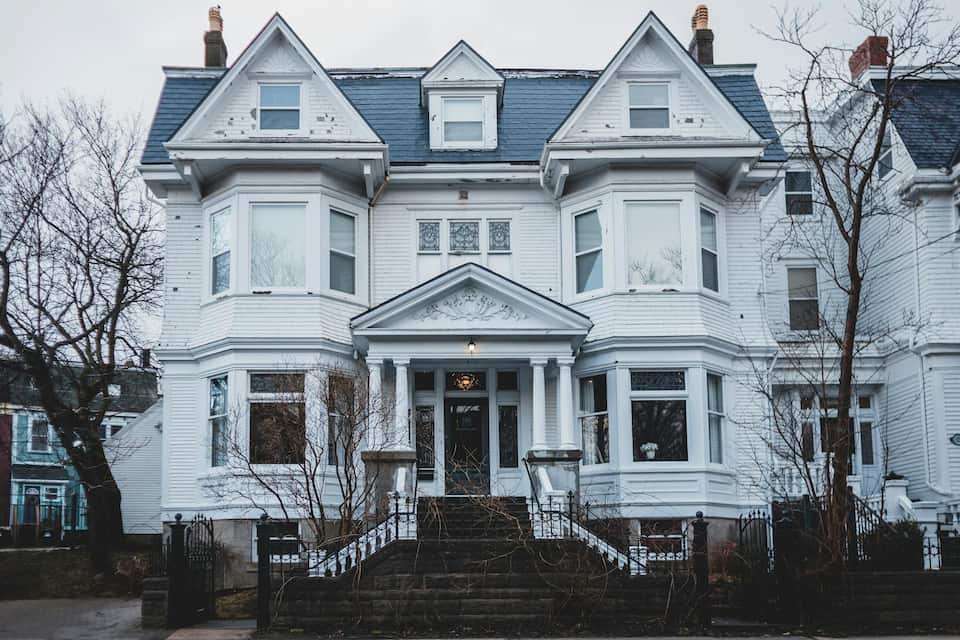
Owning a historic home in Poughkeepsie means your roof has to do two things at once: protect the house from Hudson Valley weather and preserve the architectural character that makes the home historic in the first place.
For most historic homes in Poughkeepsie, the most appropriate options include natural slate, synthetic slate or composite roofing, standing seam metal, copper roofing for accent areas, cedar shake or wood shingles, and architectural asphalt shingles.
The best roofing option matches the home’s original style, complies with local permitting requirements, and holds up against moisture, freeze-thaw cycles, and snow and ice.
Table of Contents
Fast Facts
 Historic roofing decisions must balance appearance, performance, and regulations
Not all historic homes require original materials, but visual compatibility matters
Poughkeepsie’s climate makes moisture control and detailing critical
Permits and historic review can affect timelines and material choices
Working with local professionals reduces approval and installation risks
Why Roofing Performance Matters in Poughkeepsie
The Hudson Valley climate places specific stress on roofing systems. According to New York State residential code guidance, roofs must be designed to handle snow loads appropriate to the region, which can vary by elevation and location. Freeze-thaw cycles accelerate material deterioration when moisture is allowed to penetrate roofing assemblies.
Additionally, the National Park Service emphasizes that many roof failures in historic buildings are caused not by the roofing material itself, but by improper flashing, drainage, and ventilation.
For historic homes in Poughkeepsie, NY, material choice must be paired with correct detailing and installation to ensure long-term performance.
What Are Modular Roofing Panels?
Modular roof panels are basically roof deck sections that arrive prefabricated, then get put together on-site with insulation and a waterproof membrane. Because so much is prepared ahead of time, the roof can go on faster while still keeping the structure efficient.
A lot of systems are made with fire-rated, corrosion-resistant materials, and they’re often designed to handle add-ons like green roofs, solar panels, or rooftop amenities.
Interest is growing as cities make better use of rooftops and green building requirements increase, but they can be harder to tie into older structures and usually come with higher upfront costs.
Top 6 Roofing Options for Historic Homes
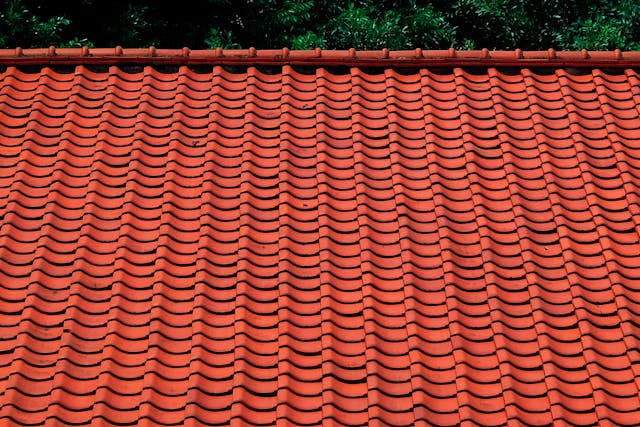
1. Natural Slate Roofing
Natural slate remains one of the most historically accurate and durable roofing materials for many older homes in Poughkeepsie.
Slate has been used extensively in the Northeast since the 19th century and is commonly found on Victorian, Second Empire, Colonial Revival, and institutional buildings.
When properly installed, slate roofs can last between 60 and 125 years, with some documented examples exceeding 200 years.
Advantages
- Excellent longevity
- Fire resistant
- Strong historic authenticity
- Performs well in snow and freeze-thaw conditions
Considerations
- Slate is heavy and may require structural evaluation
- Flashings and fasteners often fail before the slate itself
- Repairs require specialized experience
2. Synthetic Slate and Composite Roofing
Synthetic slate and composite roofing products are designed to replicate the appearance of natural slate while reducing weight and, in some cases, upfront cost.
These materials can be appropriate when structural limitations prevent the use of natural slate or when local reviewers approve visually compatible alternatives.
Advantages
- Lighter than natural slate
- Reduced structural demands
- Lower initial cost in some cases
Considerations
- Appearance can vary by manufacturer
- Long-term durability is material-specific
- Approval may be required in historic districts
3. Standing Seam Metal Roofing
Standing seam metal roofing is a durable option that has historical precedent and performs well in the Hudson Valley climate.
Metal roofs efficiently shed snow and water, reducing the risk of ice dam formation when combined with proper underlayment and ventilation. Metal roofing systems have documented long service lives of up to 60 years when properly installed.
Advantages
- Long service life
- Excellent moisture management
- Suitable for low-slope sections and porches
- Clean lines compatible with many historic styles
Considerations
- Color and finish should match historic context
- Detailing at penetrations is critical
- Not appropriate for every architectural style
4. Copper Roofing for Accent Areas
Copper roofing is most commonly used on accent features such as bay windows, porches, dormers, and turrets on historic homes.
Copper naturally develops a protective patina over time and can last over 100 years under proper conditions.
Advantages
- Exceptional longevity
- Distinctive historic appearance
- High resistance to corrosion
Considerations
- Higher material and labor costs
- Requires experienced fabrication and installation
- Must be paired correctly with compatible metals
5. Cedar Shake and Wood Shingles
Cedar shake and wood shingles have a long history in residential construction and are appropriate for certain historic styles found in Poughkeepsie, NY. They are historically appropriate in many contexts, provided proper detailing and ventilation are incorporated.
Wood roofing provides natural insulation and a traditional appearance but requires ongoing maintenance in a moisture-prone climate.
Advantages
- Authentic appearance for specific styles
- Natural insulation properties
- Compatible with historic detailing
Considerations
- More maintenance than mineral-based materials
- Sensitive to moisture and shading
- Fire rating depends on treatment and assembly
6. Architectural Asphalt Shingles
Architectural asphalt shingles can be an appropriate option for some historic homes, particularly those originally roofed with asphalt in the early to mid-20th century.
When selected carefully, architectural shingles can provide an acceptable appearance and reliable performance at a lower cost than traditional materials.
Industry testing standards such as ASTM D3161 and D7158 evaluate wind resistance for asphalt shingles.
Advantages
- Cost-effective
- Widely available
- Easier repairs and replacements
Considerations
- Shorter lifespan than slate or metal
- Appearance varies widely by product
- May require historic review approval
Choosing the Right Roof for Your Historic Home
Architectural Compatibility
The roof should reinforce the original design of the home rather than compete with it. Material choice, profile, and detailing all affect how well the roof fits the historic structure.
- Match roofing materials to the home’s architectural style and construction era
- Preserve visible features such as roof pitch, dormers, and patterning
- Avoid modern colors or textures that change the historic appearance
Local Review and Permitting
Historic homes in Poughkeepsie may be subject to additional review before exterior work can begin. Understanding these requirements early helps prevent delays.
- Determine whether the property is located within a City historic district or designated as a landmark
- Confirm whether Historic District and Landmark Preservation Commission review is required
- Verify building permit requirements with the City or Town of Poughkeepsie
Note: Review standards and permitting requirements vary by property and jurisdiction. Homeowners should confirm applicable rules in Poughkeepsie, NY, before selecting roofing materials and proceeding with installation.
Climate Performance in Poughkeepsie
Roofing materials must withstand the specific environmental conditions of the Hudson Valley. Performance matters as much as appearance.
- Select materials that resist moisture penetration and deterioration
- Account for freeze-thaw cycles that can accelerate wear
- Ensure the roof system is designed to manage snow and ice buildup
Structural Considerations
Older homes were not designed for every modern roofing material. Structural evaluation is often necessary before selecting heavier systems.
- Assess whether the existing framing can support materials such as natural slate
- Consider lighter alternatives when structural reinforcement is not practical
- Inspect roof decking and supporting components before replacement
Long-Term Maintenance and Cost
Historic roofing decisions should account for long-term ownership, not just initial installation.
- Understand expected lifespan and routine maintenance requirements
- Balance upfront cost with durability and replacement cycles
- Plan repairs that maintain historic character over time
Questions To Ask a Roofing Contractor About Historic Homes
Experience With Historic Homes
Historic roofs require different skills than standard residential projects.
- How much experience do you have working on historic homes in Poughkeepsie or the Hudson Valley?
- Have you worked with materials like slate, copper, wood shingles, or standing seam metal on older homes?
- Can you identify opportunities to repair rather than fully replace historic roofing materials?
Knowledge of Local Review and Permitting
Understanding local requirements is essential to avoid delays and rework.
- Are you familiar with the City of Poughkeepsie historic district or landmark review requirements?
- Will you help determine whether Historic District and Landmark Preservation Commission approval is needed?
- Do you assist with building permit applications and inspections?
Approach To Historic Accuracy
Preserving architectural character should be part of the plan.
- How do you ensure replacement materials match the original roof’s appearance?
- Will you match details such as slate size, pattern, seam spacing, or trim profiles?
- How do you handle visible elements like flashing, ridges, and valleys on historic homes?
Climate and Performance Considerations
A historic roof must still perform in a four-season climate.
- What steps do you take to protect against moisture intrusion and freeze-thaw damage?
- How do you address snow and ice management for Hudson Valley conditions?
- What ventilation and underlayment strategies do you recommend for older structures?
Long-Term Maintenance and Support
Historic roofs benefit from ongoing care.
- What maintenance should be expected after installation?
- Do you offer inspections or repair services for historic roofing systems?
- How do you document materials and details for future repairs?
When To Schedule a Historic Roof Inspection
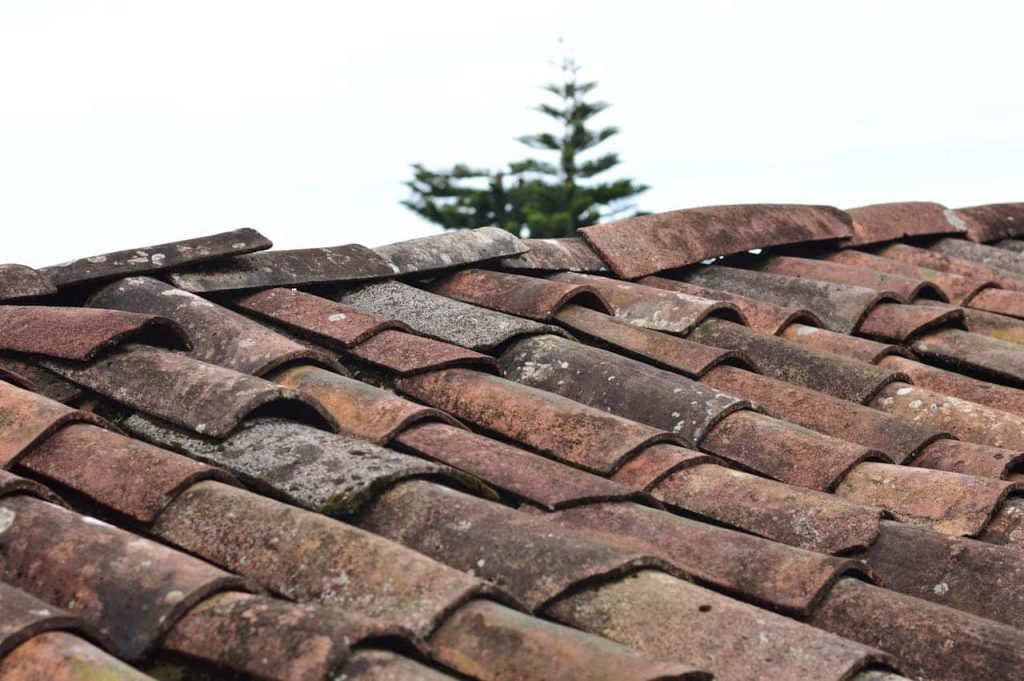
Regular inspections are critical for historic homes, where small issues can lead to costly damage if left unaddressed. Preservation experts recommend proactive inspections rather than waiting for visible leaks.
Schedule a historic roof inspection:
- Annually, especially for slate, wood, and metal roofs
- After severe weather, including heavy snow, ice storms, or high winds
- Before winter, identify flashing or drainage issues that can worsen with freeze-thaw cycles
- When buying a historic home, to assess remaining roof life and repair needs
Many historic roof failures stem from neglected maintenance rather than material failure. Early inspections help preserve historic materials and reduce long-term repair costs.
Frequently Asked Questions (FAQs)
Do historic homes in Poughkeepsie have to use original roofing materials?
Not always. While preserving original materials is preferred, some historic districts allow alternative materials if they closely match the original appearance. Approval depends on the property’s designation and local review standards. Always confirm with the City or Town before selecting materials.
Can I change my roof color on a historic home?
In many cases, color changes are reviewed more closely than material replacements. Highly visible roofs may be required to stay within historically appropriate color ranges, especially in designated districts.
Does historic roofing cost more than standard roofing?
Historic roofing often costs more due to specialized labor, materials, and permitting requirements. However, longer-lasting materials like slate or metal may reduce lifetime costs. Communicate with a trusted local roofer like Lyndsey Roofing, LLC for a proper estimate.
Will insurance cover repairs to historic roofing materials?
Coverage varies by policy. Some insurers cover repairs using comparable materials, while others may limit replacement to modern equivalents. Homeowners should review policy terms carefully.
How long does the historic review process take in Poughkeepsie?
Timelines vary based on project scope and submission completeness. Minor repairs may be approved quickly, while full replacements can take several weeks if review is required. Clarify timelines with your chosen roofer.
Ready To Protect Your Historic Home’s Roof?
Lyndsey Roofing, LLC works with homeowners throughout the Poughkeepsie area who want informed guidance rather than guesswork.
With experience evaluating historic roofs, navigating local permitting, and working with materials commonly used on older homes, our team can help you determine whether repair or replacement makes the most sense for your property.
Contact us today for a consultation.