Understanding Ice Dams & Attic Insulation

Ice dams can lead to costly roof damage, interior water intrusion, and deteriorating insulation. Understanding how they form and the role attic insulation plays can help you make informed decisions about protecting your home.

Get Your FREE ESTIMATE


    Why attic insulation matters

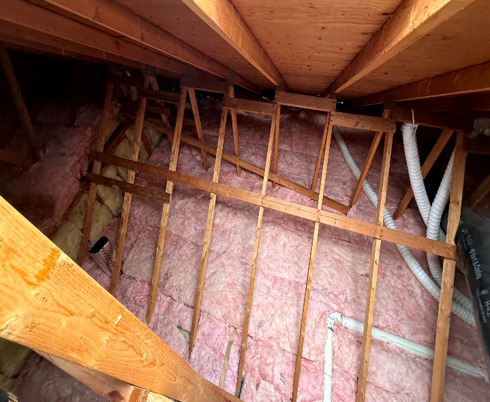
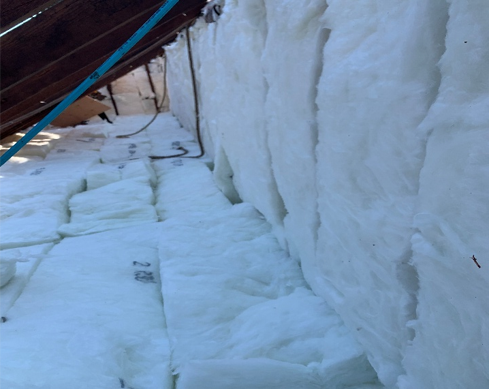
    PROPERLY INSTALLED
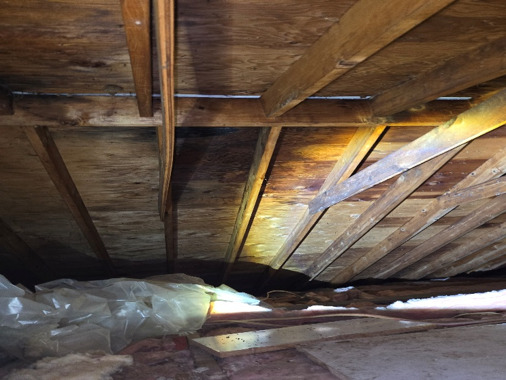
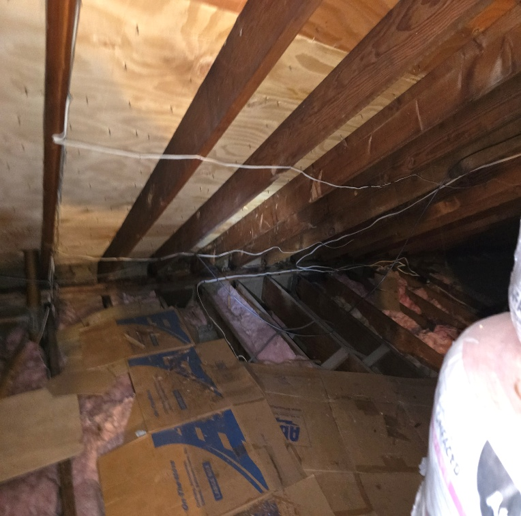
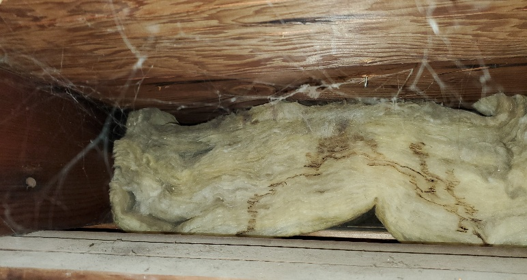
    INADQUATE INSULATION

    Your attic insulation does more than keep your home warm. It helps reduce heat transfer, improve energy efficiency, and maintain comfortable indoor temperatures throughout the year. 

    During winter, excessive heat escaping into the attic can contribute to uneven roof temperatures and ice dam formation. During summer, insulation helps reduce heat transfer from a hot attic into the living spaces below. 

    Lyndsey Roofing installs fiberglass batt insulation to help homeowners improve attic insulation coverage and year-round comfort.

    WARNING SIGNS TO LOOK OUT FOR:

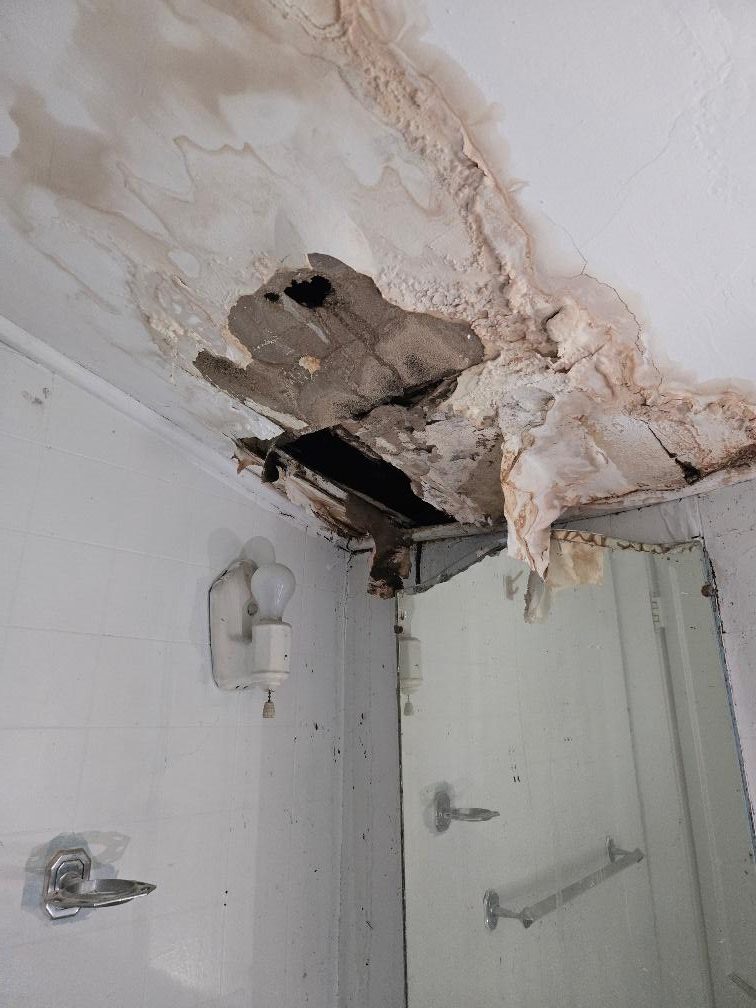
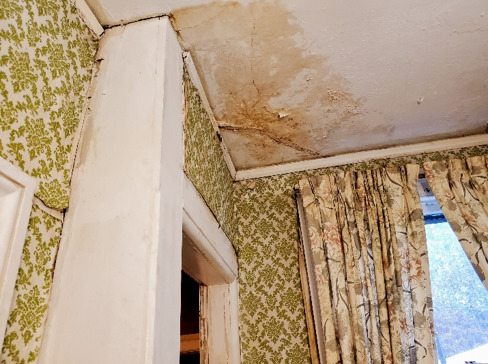
    INTERIOR WATER DAMAGE
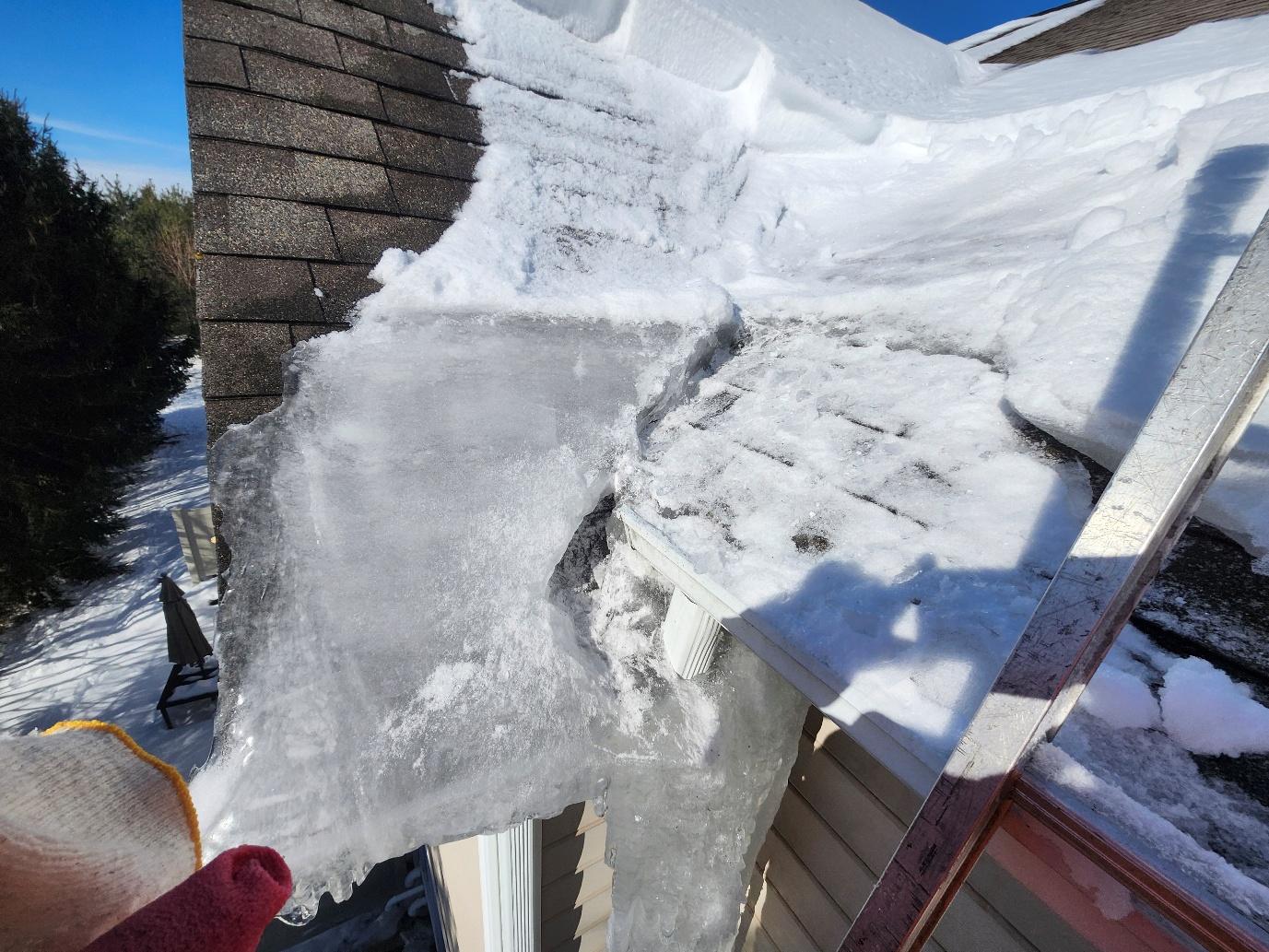
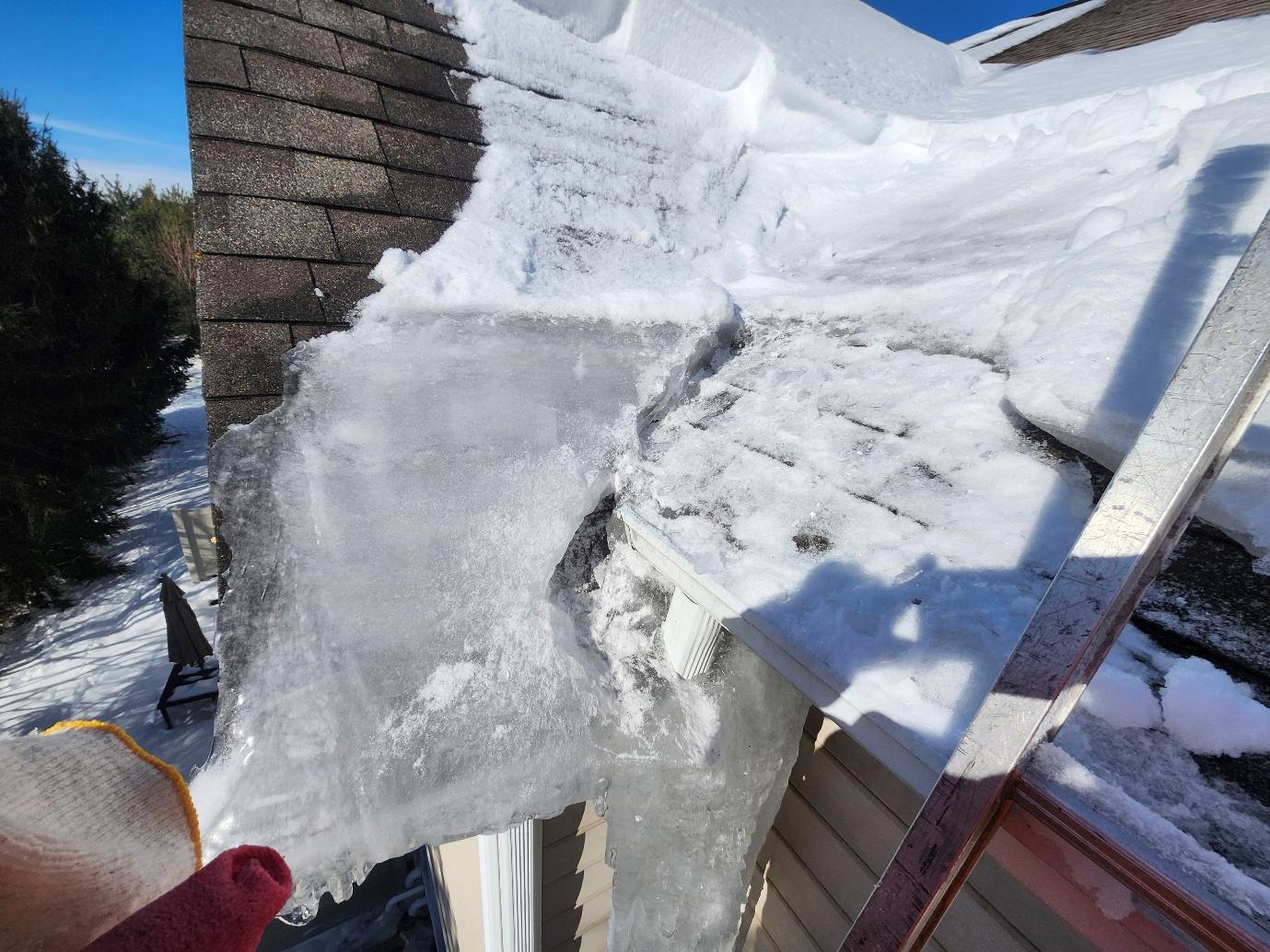
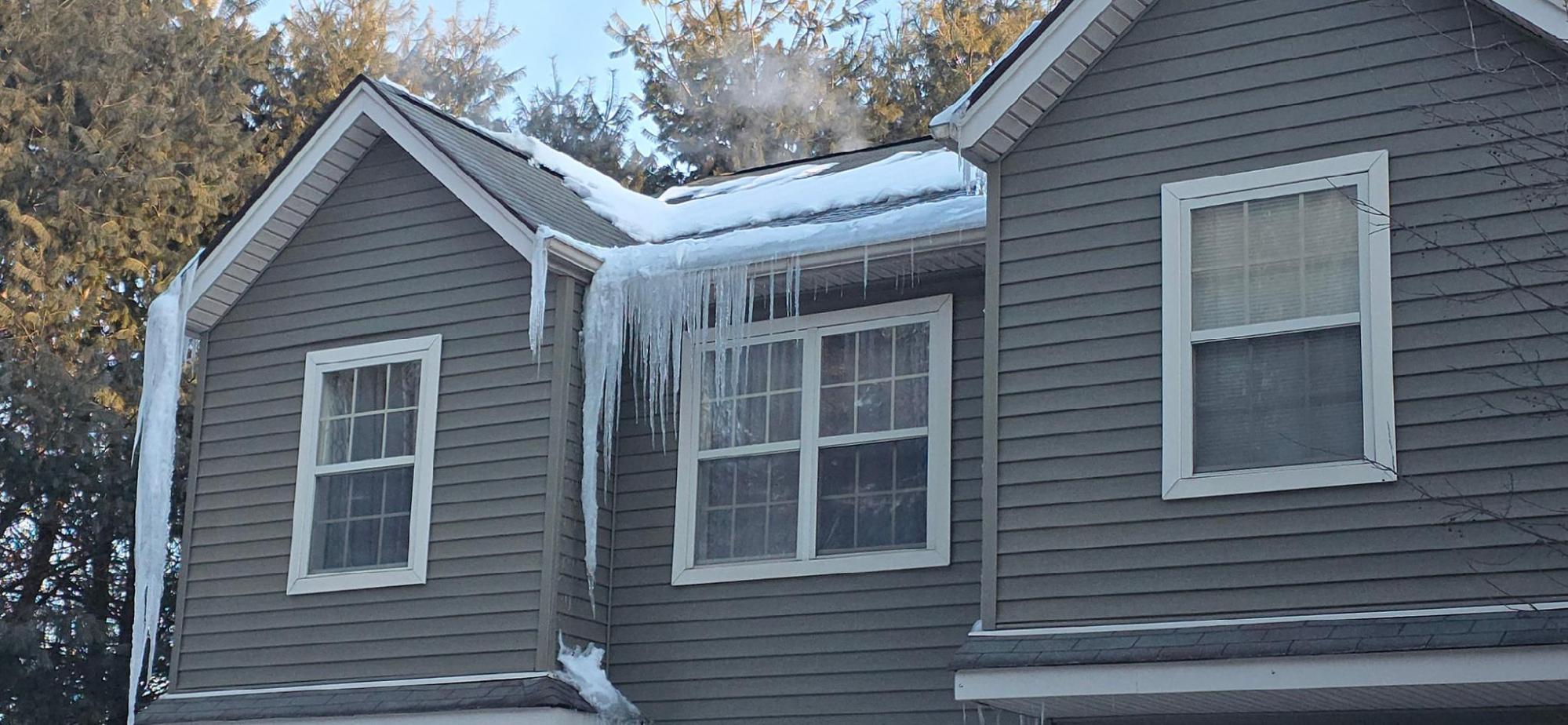
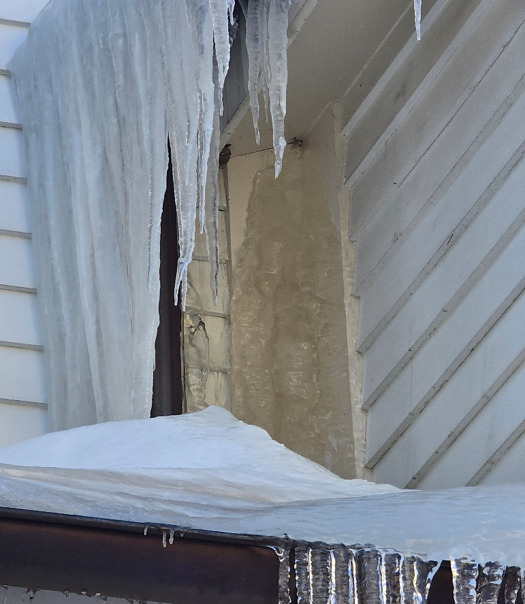
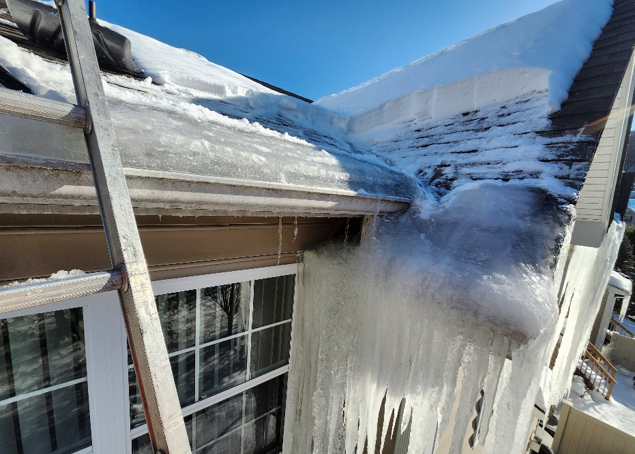
    ICE BUILDUP AND ICICLES
    BLOCKED AIR FLOW
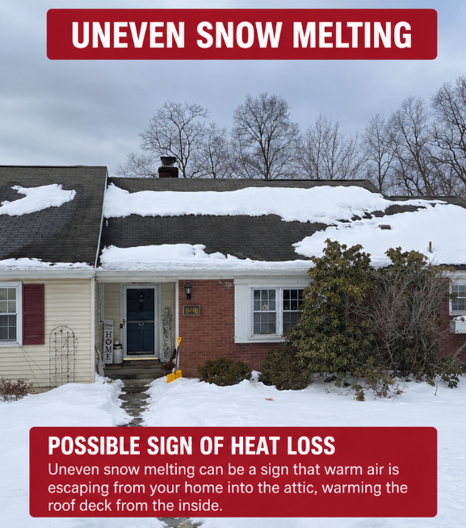
    UNEVEN SNOW MELTING

    Does your home show any of these warning signs?

    These conditions do not always indicate inadequate insulation, but they may suggest that further evaluation would be beneficial.

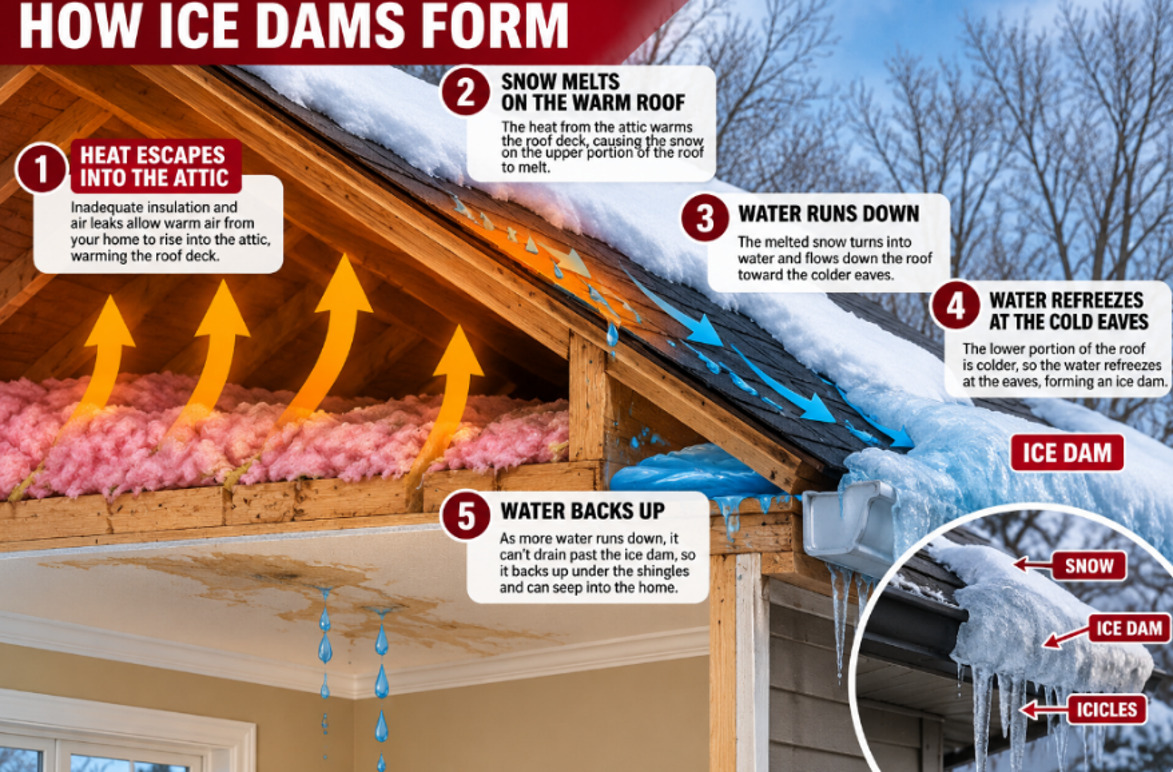
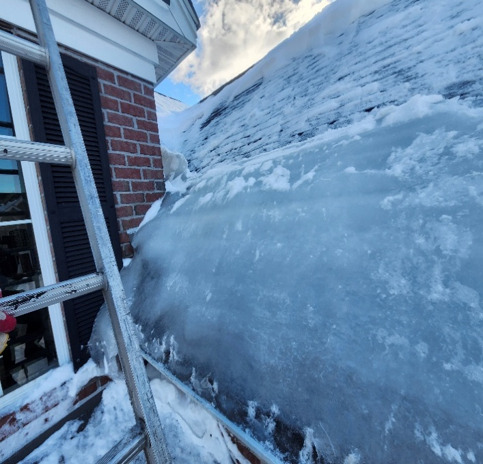
    WHAT IS AN ICE DAM?

    • An ice dam is a buildup of ice along the edges of a roof that prevents melting snow from draining properly. 
    • Ice dams can develop on both new and older roofs. 
    • When heat warms portions of a snow-covered roof, melting water can travel toward colder roof edges and refreeze. 
    • Continued melting may allow water to accumulate behind the ice, increasing the risk of water intrusion.

    Frequently Asked Questions

    Absolutely. Ice dams can cause damage that extends well beyond your roof.  When trapped water finds its way beneath roofing materials, it can enter the attic and living spaces, potentially causing: 
    • Water stains on ceilings and walls 
    • Damaged drywall and peeling paint 
    • Wet or deteriorated attic insulation 
    • Mold and mildew growth 
    • Wood rot and structural deterioration 
    • Damage to personal belongings 

    While ice dams cannot always be completely prevented, their likelihood can often be significantly reduced. 

    Effective prevention strategies include: 
    • Proper attic insulation 
    • Sealing air leaks between living spaces and the attic 
    • Keeping ventilation openings unobstructed

    • Attic insulation helps slow the transfer of heat from your home’s living spaces into the attic. 
    • When excessive heat reaches the roof deck, it can cause snow to melt unevenly, increasing the potential for ice dam formation. 
    • Properly installed attic insulation, combined with effective air sealing and appropriate ventilation, can help maintain more consistent roof temperatures and reduce the conditions that contribute to ice dams. 
    • Reduces conditions contributing to ice dam formation 
    Snow acts as an insulating layer on a roof, trapping some heat beneath it. When roof temperatures rise above freezing, snow may begin to melt. As the water flows toward colder roof edges and overhangs, it can refreeze, creating an ice dam. Heavy snowfall, fluctuating temperatures, sunshine, and repeated freezing and thawing can all contribute to ice dam formation.
    There are several warning signs that may indicate your attic insulation needs attention: 
    • Uneven snow melting across your roof 
    • Recurring ice dams or excessive icicle formation 
    • Unusually high heating or cooling costs 
    • Visible gaps or uneven insulation coverage in the attic 
    • Difficulty maintaining comfortable indoor temperatures 
    These symptoms do not automatically mean your insulation is inadequate, but they may indicate that an attic evaluation would be beneficial. 

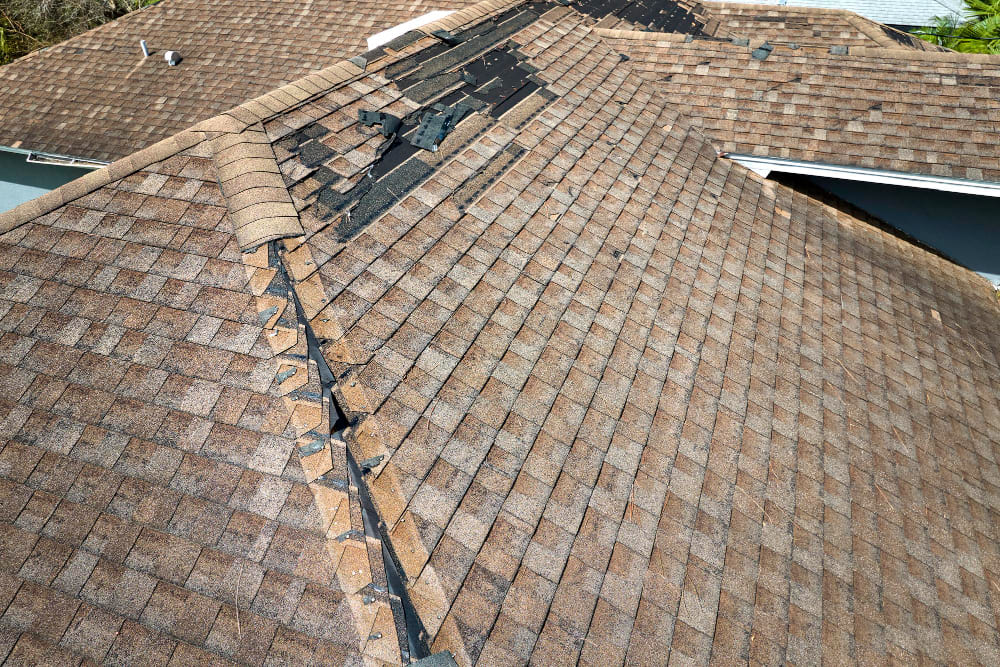
    Yes. Repeated ice damming can contribute to premature roof deterioration. 
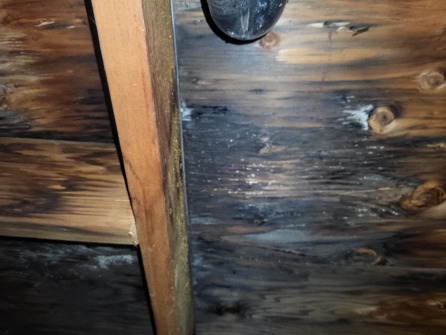
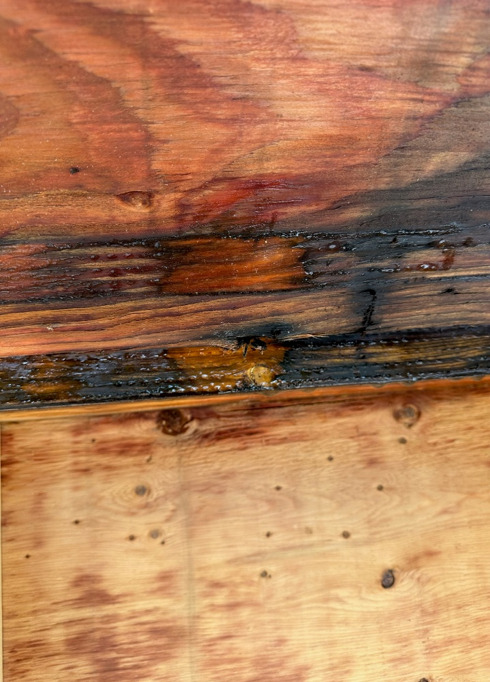
    • When water becomes trapped behind an ice dam, it may seep beneath shingles and damage the underlying roof decking.  
    • Over time, repeated moisture exposure can lead to wood rot, damaged roofing components, and costly repairs. 
    It depends on your insurance policy and the circumstances of the damage.  
    • Many homeowners’ insurance policies provide coverage for certain sudden or accidental water damage resulting from ice dams. 
    • However, coverage may not extend to ice dam removal, gradual deterioration, or damage resulting from inadequate maintenance. 
    • We recommend contacting your insurance provider to review your specific policy, coverage limits, and exclusions.

    Not always. 

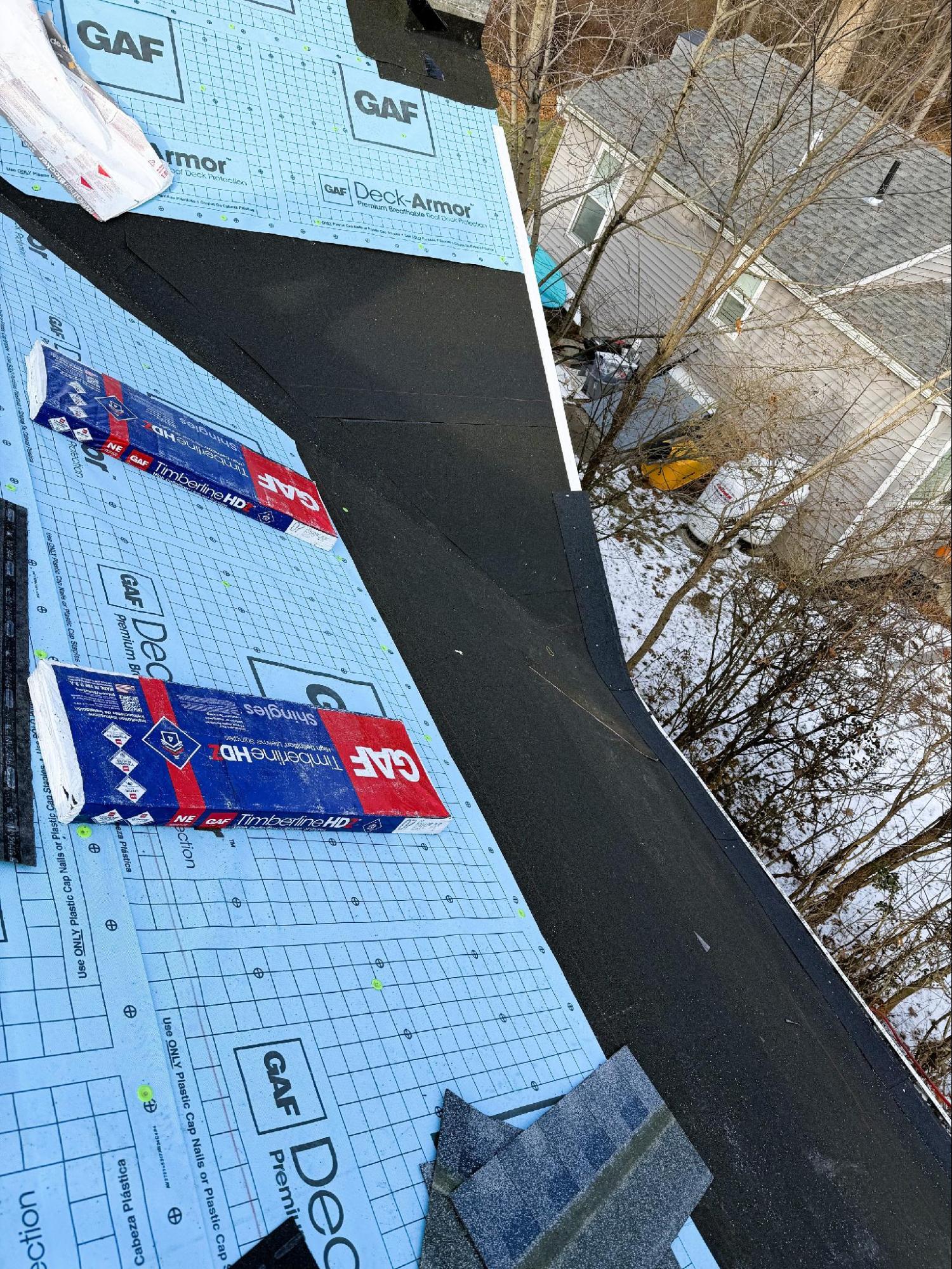
    • While a properly installed roofing system with appropriate ice-and-water protective underlayment can help reduce the risk of water infiltration, replacing shingles alone does not necessarily correct the underlying causes of ice dam formation. 
    • If excessive attic heat loss is contributing to the problem, improvements to insulation, air sealing, or ventilation may also be necessary. 
    ICE AND WATER SHIELD IS YOUR ROOFS FIRST LINE OF DEFENSE.

    Yes! Attic insulation provides benefits throughout the year. 
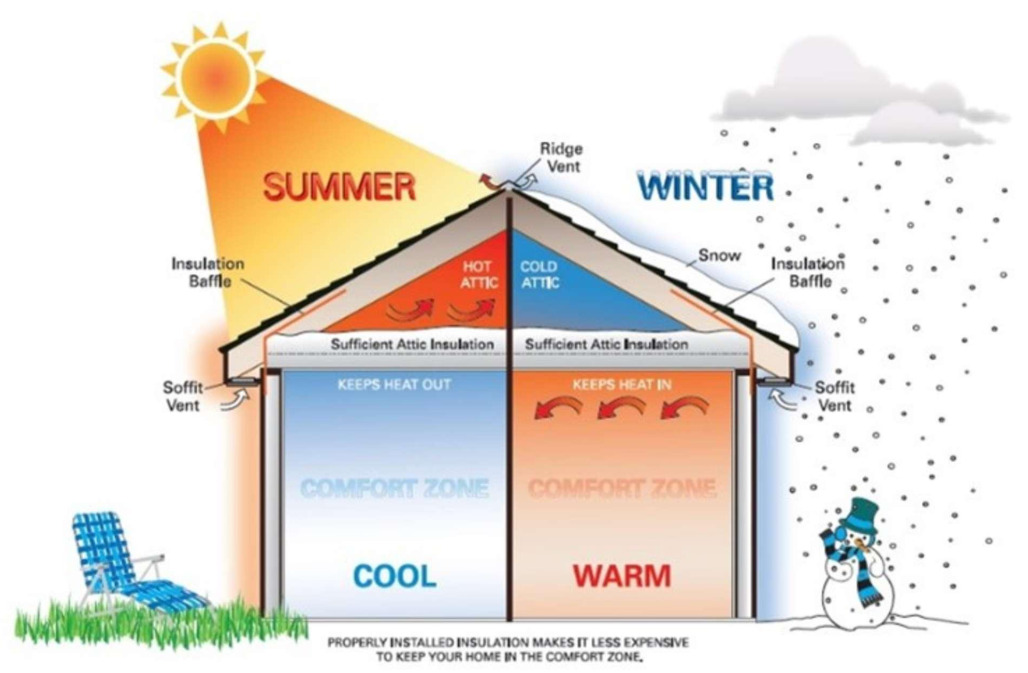
    • During winter, it helps slow heat loss from the living space into the attic. 
    • During summer, it helps reduce heat transfer from a hot attic into the rooms below. 
    • Proper insulation can improve indoor comfort and reduce the amount of energy needed to heat and cool your home. 

    IS YOUR HOME READY FOR WINTER?

    Don’t wait until ice dams cause costly damage. 

    Uneven snow melting, recurring icicles, and inadequate attic insulation may be warning signs that your home needs attention. 

    Let Lyndsey Roofing help you explore ways to protect your roof and improve your home’s comfort year-round. 

    Contact Lyndsey Roofing to discuss your attic insulation and roofing concerns. 

    If you have roof damage or siding damage in Dutchess County, Putnam County, and Ulster County give us a call.

    We have storm teams put together to help with tarps and temporary repairs until the insurance company can get there. Bill Reilly, the owner of Lyndsey Roofing, has over 20 years experience in dealing with insurance companies for storms. 

    We will get a project manager out there to assess the damage and determine the best course of action with you.

    Flexible Financing Options

    Lydnsey Roofing offers stress-free financing for your project.

    For financing, click here